
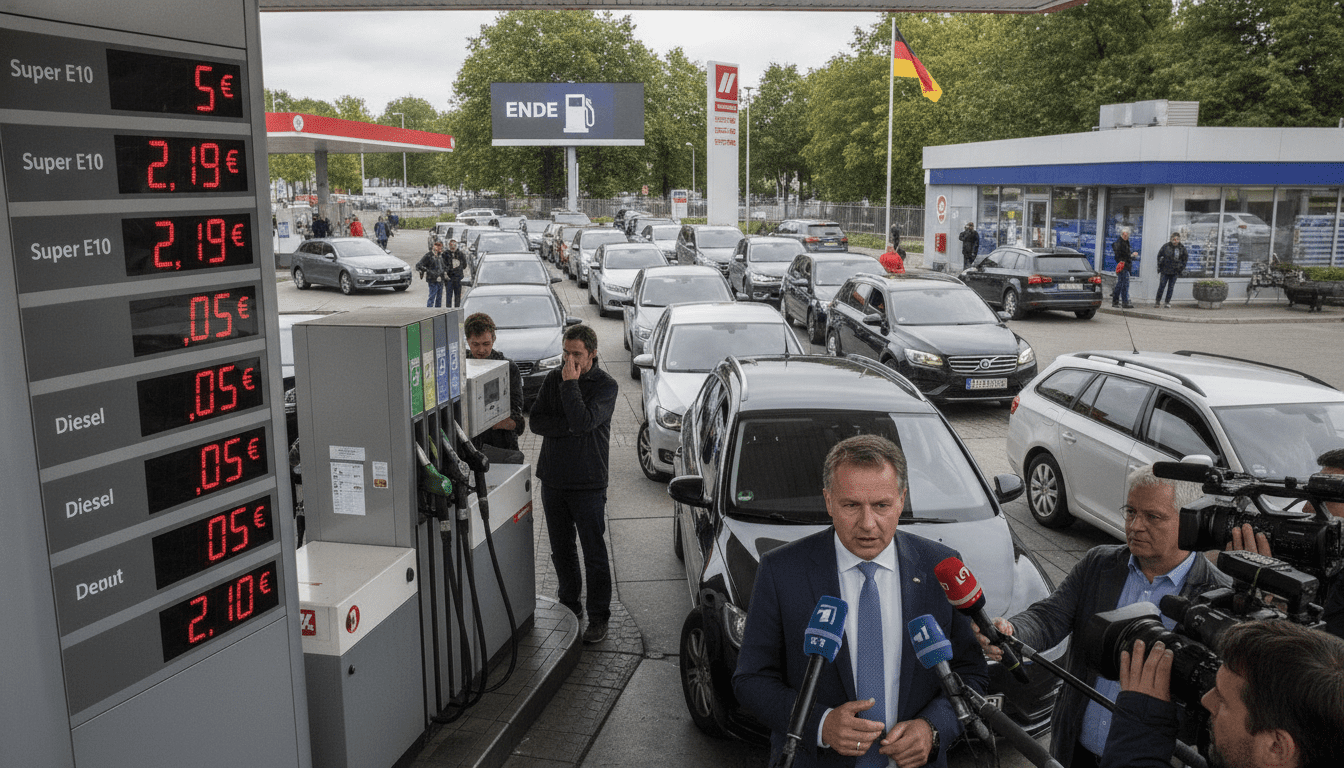
Tankrabatt deadline fuels sharp nationwide spike in German petrol and diesel prices
Germany sees sudden fuel-price surge as Tankrabatt ends; ADAC and Bundeskartellamt raise concerns over pre-emptive hikes and incomplete pass-through of the 16.7-cent rebate.
The end of the Tankrabatt has triggered a pronounced rise in fuel prices across Germany, with motorists facing steep increases as the tax pause expires on July 1, 2026. The ADAC reported a midday surge on June 30, 2026, that pushed diesel up by roughly 24 cents per liter and E10 by about 20.3 cents, prompting scrutiny from consumer groups and regulators. The spike comes as the 16.7-cent-per-liter tax relief — introduced in early May — lapses and the energy tax returns to its prior level for deliveries after midnight on July 1.
Midday price jump recorded at 12:15 p.m.
At 12:15 p.m. on June 30, the national average prices showed the largest single-day jumps since the Tankrabatt was put in place. After the midday move, average E10 prices were about 3.3 cents higher than the same time on Monday, and diesel averaged about 3.5 cents more. Industry observers say the timing aligns with statutory limits on when stations may raise prices, known as the “12 o’clock rule,” which restricts intraday increases to a fixed window.
Stations nationwide had already been raising prices in the days leading up to the rebate’s expiry, producing a pattern of consecutive daily increases for both fuels. Analysts and consumer advocates highlight the suddenness and scale of the noon spike as a key concern for drivers and fleet operators.
Recent trend: sustained rises despite stable crude oil
Price data show a steady climb in pump prices through the week before the rebate ended. On Monday, the nationwide daily average for Super E10 was €1.861 per liter, up 1.6 cents from Sunday, while diesel rose 1.9 cents to €1.784 per liter. Since the preceding Tuesday, E10 had gained roughly 4.4 cents and diesel about 5.3 cents per liter.
These retail increases occurred even as global crude oil prices moved lower over the same period, undermining industry claims that rising feedstock costs alone explain the pump-price behavior. Market analysts say other factors, including supply logistics and strategic pricing ahead of tax changes, likely contributed to the divergence.
ADAC calls increases unjustified and accuses pre-pricing
The ADAC criticized the surge as unjustified given the absence of a corresponding rise in crude oil prices, suggesting that fuel companies were “pricing in” the imminent reinstatement of higher taxes. The motorist organization’s assessment implies that retailers and oil firms adjusted margins in advance of the July 1 tax reversal rather than passing on the rebate fully and transparently.
Consumer groups warn that pre-emptive price-setting erodes public trust and effectively reduces the intended relief for motorists, who received a temporary tax cut of 16.7 cents per liter under the Tankrabatt policy.
Bundeskartellamt issues warning to mineral oil sector
Andreas Mundt, president of the Bundeskartellamt, publicly cautioned the mineral oil industry against disproportionate price hikes that cannot be objectively justified. Mundt said his authority would pursue reports of unwarranted increases and indicated the agency is still validating recent sales and pricing data to quantify how much of the rebate actually reached consumers.
The antitrust office’s intervention signals heightened regulatory appetite to examine whether competitive norms were respected during the transition and whether any conduct violated market rules.
Dispute over whether rebate was fully passed on
The Bundeskartellamt’s preliminary finding that the Tankrabatt was not forwarded to consumers in full aligns with assessments by the ifo Institute and the Monopolkommission, which also identified a shortfall in the rebate’s pass-through. Ifo reported a near-complete transmission for petrol but a noticeable gap for diesel, raising questions about sectoral differences in how the relief was implemented.
Industry groups contested these assessments. The Bundesverband Freier Tankstellen dismissed parts of the ifo study as political posturing, while the Fuels and Energy trade body (en2x) maintained that members cut pump prices by about 17 cents per liter when the rebate began. Its general manager, Christian Küchen, said prices would move in the opposite direction once the energy tax returned to pre-rebate levels.
What motorists can expect after July 1, 2026
When the energy tax rises again for fuel delivered after midnight on July 1, 2026, consumers should expect prices to reflect the restored tax rate, although the pace and scale of increases at individual stations may vary. The statutory delivery-based timing means that immediate at-pump price jumps at midnight are constrained by supply and distribution schedules, but many retailers timed adjustments to coincide with the rebate’s formal expiration.
Drivers and fleet managers are being advised to monitor local station prices and consider refueling strategies in the short term. Regulatory scrutiny and potential follow-up investigations by the Bundeskartellamt may influence market behavior and could lead to further guidance or enforcement actions if unjustified pricing is documented.
As the Tankrabatt era closes, policymakers, regulators and consumer groups will continue to examine whether the temporary tax relief achieved its intended effect and whether the market response respected competitive and transparency standards for Germany’s fuel sector.
