
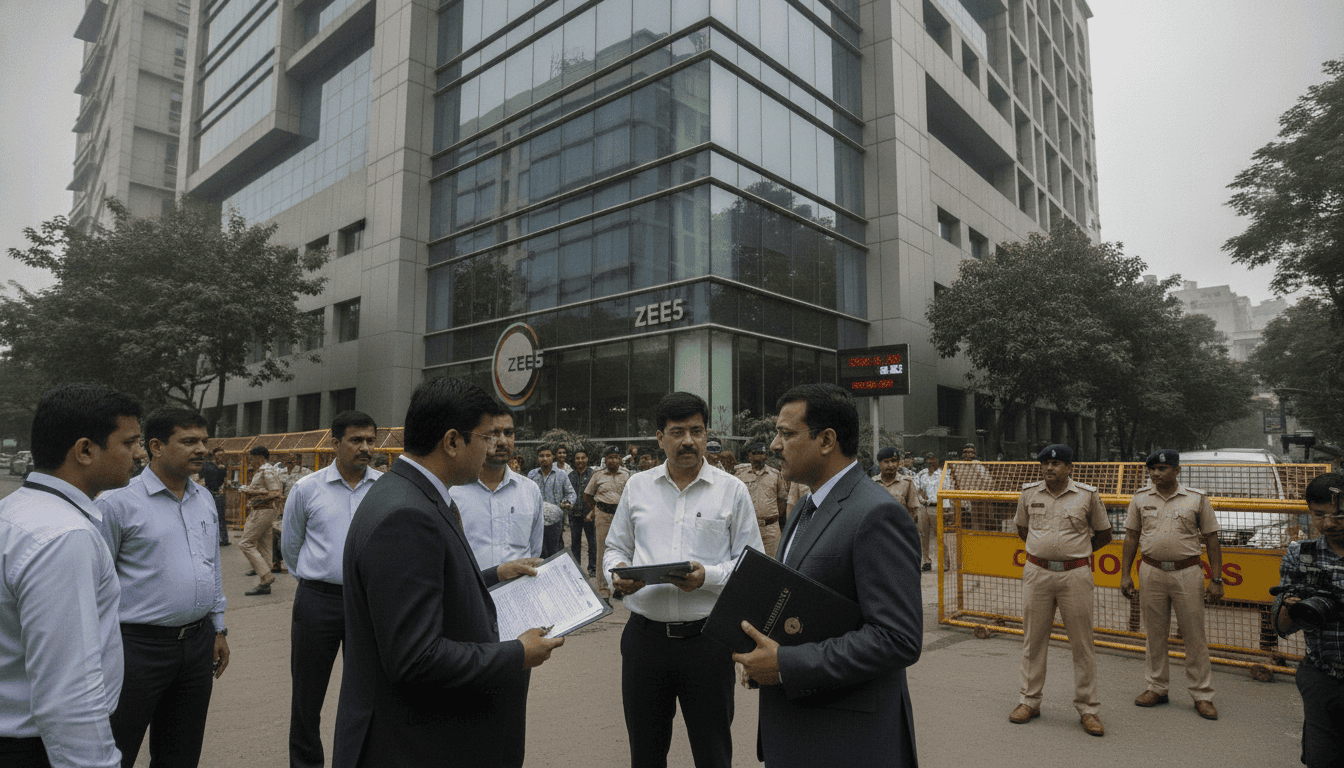
Satluj film pulled from ZEE5 after brief release as authorities review security and sovereignty concerns
Satluj film, a biopic about human rights activist Jaswant Singh Khalra, was released on ZEE5 on July 3 and removed 48 hours later as authorities review security and state concerns.
The Satluj film recounts the life and killing of Khalra, an Amritsar-based investigator who exposed alleged mass disappearances during Punjab’s insurgency in the 1980s and 1990s. Its streaming release and abrupt removal have reopened debate in India over censorship, historical memory and national security.
Film Portrays Killing of Human Rights Activist Jaswant Singh Khalra
Satluj dramatizes Jaswant Singh Khalra’s investigation into municipal cremation records and his claims that thousands of disappeared people were secretly cremated without notifying families. The biopic, directed by Honey Trehan and running 163 minutes, stars Punjabi film star Diljit Dosanjh as Khalra and frames his work as the catalyst for wider inquiries into alleged abuses by security forces. Khalra was taken from outside his home on September 6, 1995, and never recovered; his supporters and subsequent inquiries say his work exposed a pattern of custodial disappearances.
Censor Board Ordered Name Change and Extensive Cuts
The film was held by India’s central censor authority for roughly three years and initially carried the title Punjab 95. Authorities required a change of name and sought nearly 130 cuts before approving a theatrical release, demands the filmmakers rejected. That extended tussle with the certification process set the stage for the producers’ decision to take the film to a streaming platform rather than comply with the edits.
ZEE5 Release on July 3 and Removal Two Days Later
Satluj debuted on ZEE5 on July 3, 2026, but the platform removed the title 48 hours later, citing “current developments” and saying it would not be available in India “until further notice.” Officials told local media the film was taken down for security reasons, and reports indicate a government committee subsequently reviewed the case and upheld continued restrictions, concluding in sources’ words that the film “goes against India’s sovereignty.” ZEE5 said it would pursue due process to seek restoration but gave no timetable for a return to the platform.
Community Screenings and Online Spread Despite Ban
Following the removal, community groups and activists organized screenings in Sikh temple compounds and village halls across Punjab, and diaspora groups in London, New York and Toronto reported similar events. Social media users have uploaded copies to video-sharing sites, with new links appearing as older ones are taken down. Attendees described the screenings as emotional public gatherings where the film’s depiction of past abuses resonated with family histories and local memory.
Historical Context: Khalistan Insurgency and 1980s–1990s Violence
The events depicted in Satluj are set against the Khalistan insurgency, which surged in Punjab through the 1980s and early 1990s and prompted a heavy-handed response from security forces. The period included Operation Blue Star in 1984, when the Indian Army entered the Golden Temple complex, and the subsequent assassination of Prime Minister Indira Gandhi by her Sikh security guards, which sparked deadly anti-Sikh riots. Human rights organizations over decades have documented allegations of extrajudicial killings, disappearances and secret cremations during the counterinsurgency.
Legal Aftermath and the Case Against Officers Involved
Khalra’s investigations prompted formal inquiries, including a probe by India’s Central Bureau of Investigation, and led to convictions in his custodial killing. Media reports and court records note that five police officials received life terms in connection with the case, underscoring that elements of Khalra’s claims were prosecuted in the years following his disappearance. At the same time, debates over how to portray those events in film and literature have persisted, and Satluj’s cinematic retelling has intensified those discussions.
Reactions from Cast, Rights Advocates and Authorities
Diljit Dosanjh said in a live social media session after the takedown that the obstacles the film faced had confirmed his worst fears but noted the work was finding an audience through community viewings and online sharing. Rights advocates have argued the film reopens unresolved grievances and should be available for public scrutiny, while government officials have framed restrictions around concerns for public order and national unity. ZEE5’s public statement acknowledged the removal and pledged legal avenues to challenge the decision.
The Satluj film controversy has highlighted the tension between artistic portrayal of difficult histories and state claims of security risk, returning the Khalra case and the wider Punjab conflict to public debate. As legal reviews and committee findings proceed, the film continues to circulate through unofficial channels and community screenings, keeping the questions it raises about accountability and memory at the center of national discussion.
