
Germany housing construction set to fall further in 2026, GdW warns
GdW warns Germany will complete about 200,000 homes in 2026 against a 320,000-unit need, blaming high costs, rising borrowing rates and falling social housing.
The German housing construction sector faces a sharper downturn in 2026, with the industry association GdW forecasting only around 200,000 completed dwellings compared with an estimated annual need of approximately 320,000. That projection follows a 2025 total of 206,600 newly built homes, which the Federal Statistical Office recorded as an 18 percent drop year‑on‑year.
GdW said the decline reflects a squeeze on developers and housing companies from higher building expenses and steeper financing costs, forcing many projects to be delayed or shelved. Association leaders warned that sustained shortfalls will widen the gap between available supply and demand across Germany’s housing markets.
Association forecast and national shortfall
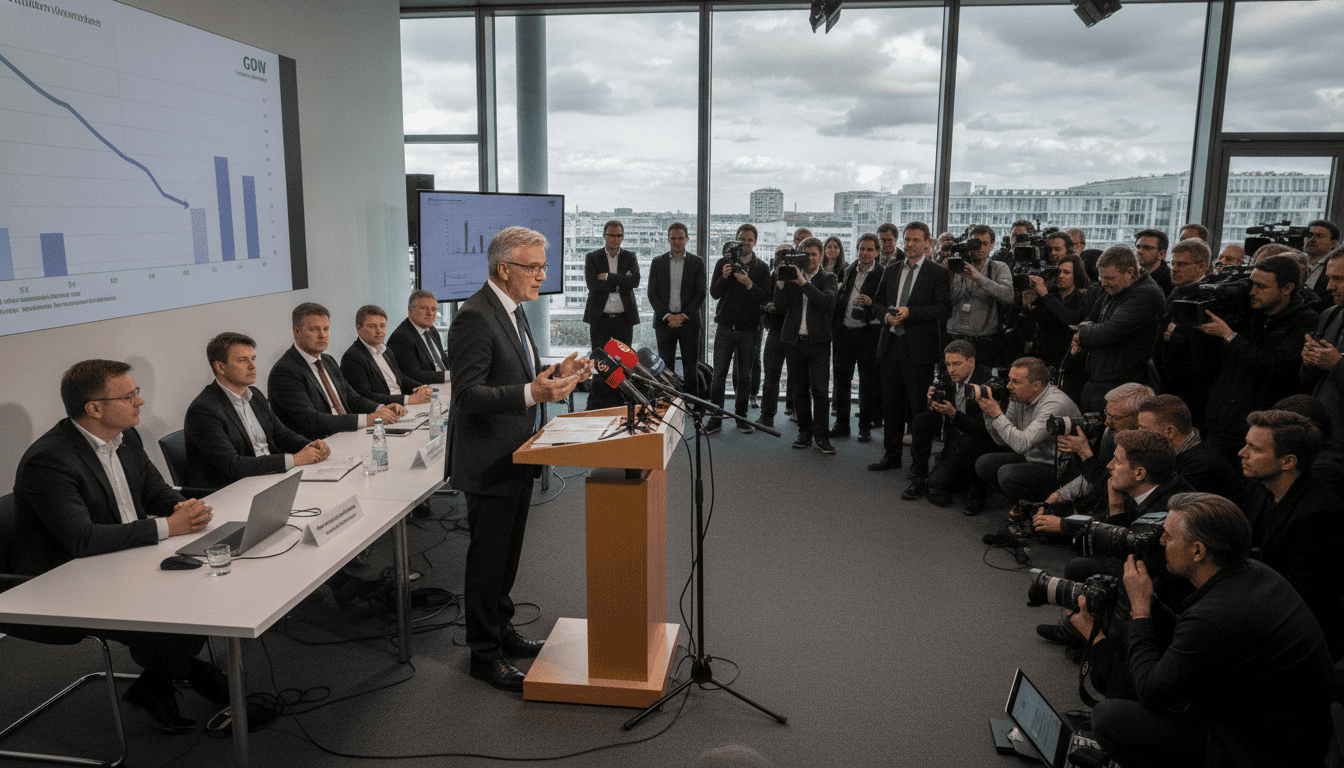
The Federal Association of German Housing and Real Estate Companies (GdW) presented the figures in Berlin, saying the gap between actual completions and the estimated requirement has widened. The group’s 2026 estimate of roughly 200,000 completions contrasts with the 320,000 units it says Germany needs each year to keep up with demand.
The association highlighted that the 2025 outcome—206,600 dwellings completed—represents a fall of about 45,400 units compared with the previous year. That contraction, the GdW argues, signals a continuing downward trend unless costs and procedural barriers are addressed.
Social housing deliveries hit hardest
The so‑called social‑oriented housing sector is particularly affected, the GdW said, with a marked reduction in new affordable units. Member companies of the association completed roughly 24,000 social housing units in 2025, but the GdW expects the number to fall to about 16,000 in 2026.
Industry representatives cautioned that a further drop in social housing delivery would undermine efforts to provide long‑term affordable housing to low‑ and middle‑income households. The association framed the decline as an early warning of systemic strains in the funding and delivery model for subsidised housing.
Investment redirected toward refurbishment and compliance
Data from the GdW show that member companies invested €20.8 billion in 2025, but the bulk of that spending went to maintaining and upgrading existing stock. The association reported €12.7 billion flowed into renovation, climate measures, accessibility upgrades and digitalisation, while investment in new construction fell to €8.1 billion.
For 2026 the GdW expects new‑build investment to slump further to about €6 billion, a projected drop of roughly 26 percent. The shift toward refurbishment and compliance projects reduces the capital available for fresh starts on new developments, further constraining housing construction in Germany.
Construction costs and financing squeeze developers
Rising input costs and higher interest rates are central drivers of the slowdown, the industry group said. According to the association’s figures, residential construction prices have climbed by about 51 percent since the end of 2019, while borrowing costs have risen significantly since 2021, increasing financing pressure on projects.
The combination of elevated material and labour costs, more expensive debt and expanding regulatory requirements has turned many approved projects into what the GdW calls “drawer projects” that are no longer economically viable. Developers and social housing providers say the current trajectory prevents them from delivering the volumes of housing that planners identify as necessary.
Government measures and new building standard
The federal government has signalled steps to reduce obstacles to housing delivery, enshrining a priority for housing in recent changes to building law and pledging to speed up permit procedures. Housing Minister Verena Hubertz (SPD) has also promoted a simplified building standard known as “Gebäudetyp E,” which is intended to lower costs through standardisation.
Officials say the combination of faster approvals and lower‑cost building types should help to stabilise supply and bring down construction expenses over time. Industry groups, while welcoming those measures, say they need to be paired with broader cost reductions and support for affordable housing to have the desired effect.
Industry demands and proposed remedies
GdW leaders are calling for immediate policy action to restore the economics of housing construction, urging measures to reduce building costs, accelerate approvals and safeguard social subsidies. The association argues that targeted interventions—such as streamlined planning, procurement reforms and incentives for efficient construction—could reverse some of the recent declines.
Executives also stress the importance of maintaining investment for climate upgrades and accessibility work while freeing sufficient resources for new builds. Without such a rebalancing, they warn, the shortfall between supply and demand is likely to widen, especially in high‑pressure urban markets.
The GdW represents roughly 3,000 member companies and landlords responsible for about 13 million tenants, and it noted last year’s average net cold rent among its members was €6.93 per square metre compared with a national average of €7.76.
