
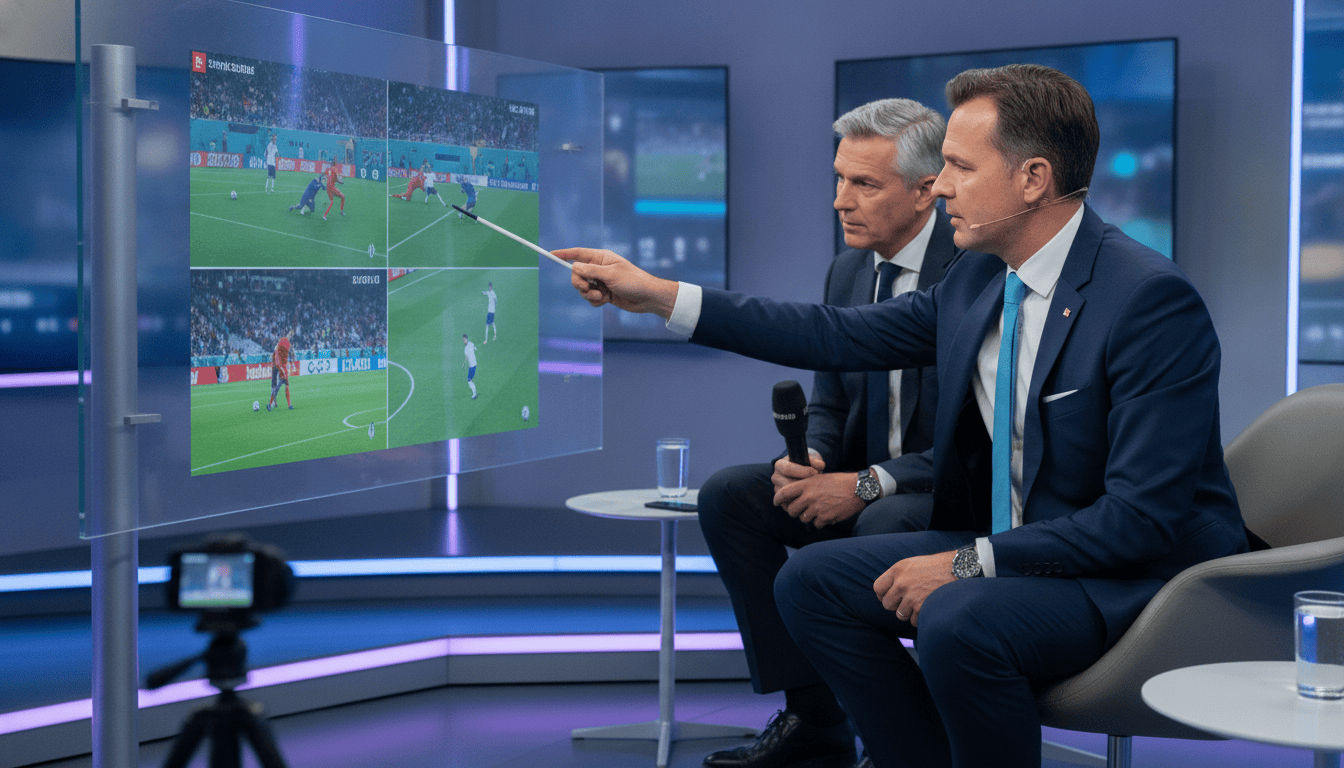
Patrick Ittrich Turns from Bundesliga Referee to World Cup Analyst on Magenta-TV
Former Bundesliga referee Patrick Ittrich, who retired in May after ten seasons and 94 top-flight matches, now analyzes refereeing at the World Cup for Magenta-TV, bringing rare on-field experience to broadcast commentary.
Patrick Ittrich, who stepped away from refereeing in the Bundesliga in May after a decade and 94 matches, has moved into a prominent television role at the World Cup with Magenta-TV. The 47-year-old police officer, active in professional football since 2008, is watching and assessing more matches than most commentators, offering live analysis of referees and VAR interventions. Only weeks earlier Ittrich himself faced public criticism in his final season, a background that colors his assessments and gives him a unique vantage point in the broadcast booth.
Career timeline and retirement
Patrick Ittrich concluded his Bundesliga refereeing career in May, marking the end of a ten-year spell officiating at Germany’s highest domestic level. He officiated 94 Bundesliga matches and had been involved in professional football refereeing since 2008, combining officiating with his work as a police officer. The decision to retire created immediate interest because Ittrich shifted almost immediately into media work, a pathway increasingly common for recent officials. His transition highlights how on-field experience is being repurposed for expert commentary during major tournaments.
Role and responsibilities at Magenta-TV
On Magenta-TV, Ittrich serves as an expert analyst focused specifically on refereeing decisions and VAR use across World Cup fixtures. His role involves real-time explanations of crucial calls, breakdowns of positioning and timing, and contextualization of video-review processes for viewers. Broadcasters rely on his practical knowledge to demystify technical rules and to explain why certain decisions stand or are overturned. That expertise aims to bridge the gap between official protocol and public perception, especially during contentious moments.
How he assesses referee performance
Ittrich evaluates referees by examining core refereeing criteria: positioning, timing, game management, card discipline, and communication with the VAR team. He pays particular attention to whether officials apply advantage appropriately and whether they manage escalation between players effectively. When VAR intervenes, he focuses on the standard of review applied, whether the on-field referee retained control, and how transparent the process appears to the public. His commentary often drills into micro-decisions that influence the flow and fairness of a match, rather than offering only headline judgments.
Perspective shaped by recent criticism
Only weeks before his retirement, Ittrich was among those criticized for match decisions, a dynamic that informs his current approach on air. That recent scrutiny gives him insight into how referees experience public and media feedback, and it appears to make his commentary measured rather than defensive. Viewers hear analysis that acknowledges both the limits of instantaneous judgment and the standards referees are held to. This dual perspective—of being both scrutinized and now critiquing—adds nuance to his broadcasting presence.
Experience underpinning his commentary
Having served in the professional refereeing ranks since 2008 and overseen nearly a hundred Bundesliga matches, Ittrich brings a depth of situational awareness to every analysis. His familiarity with high-pressure environments enables him to explain the split-second considerations officials must weigh under crowd noise and managerial pressure. The combination of long-term officiating practice and continued engagement with the game positions him to evaluate not only individual errors but systemic trends in refereeing standards. His contributions thus function as both critique and informal education for fans and fellow professionals.
Public reaction and broader implications
Audience response to Ittrich’s broadcasts has been mixed but engaged, reflecting wider public interest in how refereeing is judged at major tournaments. Some viewers appreciate the technical clarity and behind-the-scenes perspective he provides, while others remain skeptical of televised analysis of subjective calls. Broadcasters and football bodies are watching how former officials in media roles influence public understanding and debate about rule interpretation. The trend suggests that expert ex-referees will continue to shape conversations around officiating long after they leave the pitch.
Ittrich’s move from active officiating to televised analysis underscores a changing media landscape where experiential authority is in high demand. As the World Cup progresses, his explanations of close calls and VAR protocols will serve as a touchstone for viewers seeking clearer insight into refereeing decisions. The presence of a recent on-field official in the commentary team may also intensify scrutiny of referees, but it offers a rare, informed perspective that can elevate public debate beyond headlines.
