
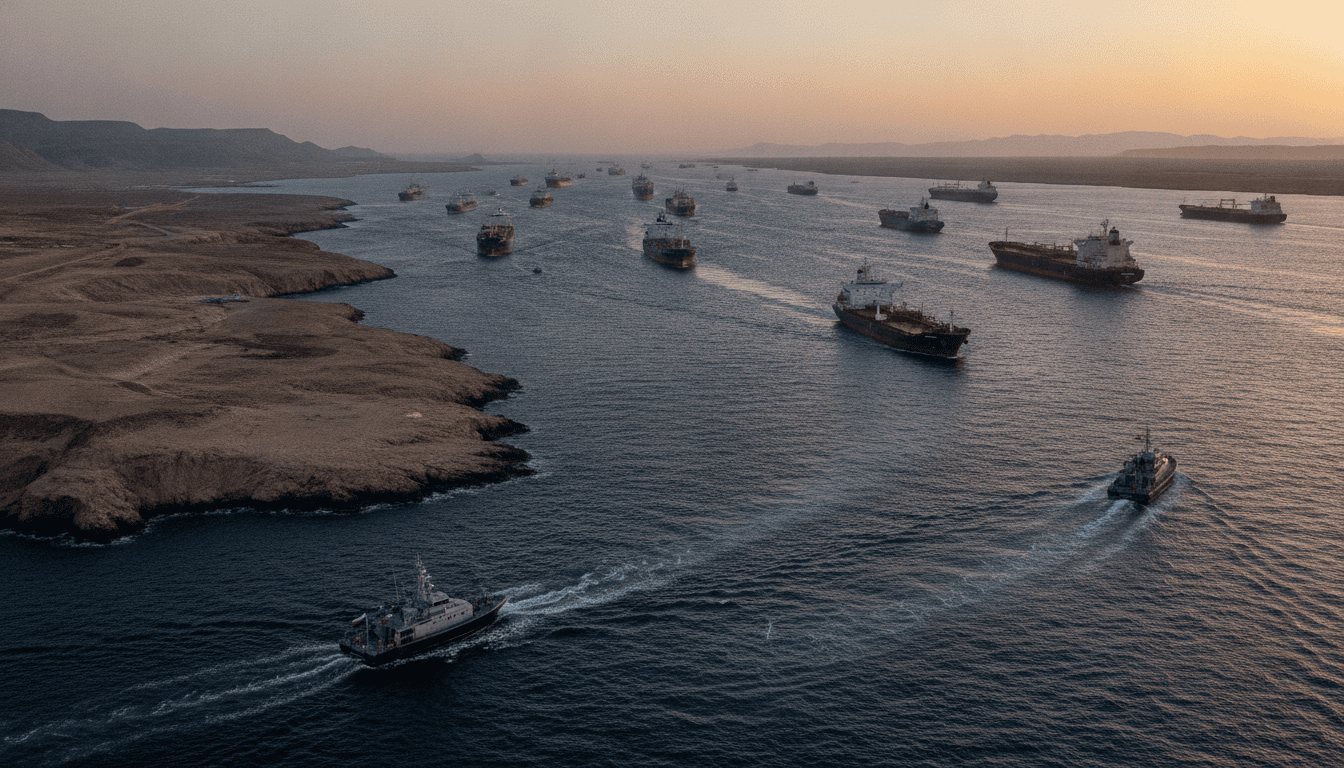
Strait of Hormuz Traffic: 108 Vessels Cross in Three Days, 30 Follow Omani Route
MarineTraffic reports 108 vessel transits through the Strait of Hormuz from Friday to Sunday; 30 took an Omani coastal route amid a fragile US–Iran truce.
The Strait of Hormuz saw 108 vessel crossings over a recent three‑day period, according to maritime tracking firm MarineTraffic, with 30 ships navigating an Omani coastal corridor. The flow included crude and LPG tankers and coincided with a tense but holding truce between the United States and Iran. Analysts characterized the pattern as “operational but fragmented,” underscoring continued security and diplomatic uncertainty around the waterway.
Crossings by the numbers
MarineTraffic’s update counted 43 transits on Friday, 34 on Saturday and 31 on Sunday, totaling 108 movements across the channel during that interval. Of the total crossings, 30 vessels—nearly one‑third—followed the Omani route rather than the busier central lanes. The firm’s data highlights both sustained commercial use and a reconfiguration of traffic patterns in response to perceived risk.
Omani coastal route draws significant share
The Omani route, hugging Oman’s territorial waters, accounted for a substantial minority of recent transits and appears to be chosen for navigational or security reasons. Shipmasters and operators often prefer coastal corridors when they perceive threats in open stretches, and the Omani corridor offers a defined alternative that keeps vessels closer to a single coastal authority. This shift does not indicate a halt in overall traffic but reflects a more cautious routing approach by part of the merchant fleet.
Types of vessels and cargo observed
Among the 30 vessels on the Omani track were crude oil tankers and liquefied petroleum gas carriers, according to the tracking data. These ship classes are central to global energy supply chains and routinely transit the strait, which handles roughly one‑fifth of worldwide oil and liquefied gas shipments. The presence of energy tankers on the Omani route underscores operators’ attempts to reconcile commercial schedules with risk mitigation.
Daily pattern and operational picture
Traffic peaked on Friday with 43 crossings and declined modestly over the weekend to 34 and 31 on Saturday and Sunday, respectively. MarineTraffic described the pattern as “operational but fragmented,” signaling that while commerce continues, navigation is uneven and responsive to shifting security cues. The data suggest that maritime operators are maintaining essential movements but adjusting routes and timings in light of the current environment.
Security and diplomatic context
The corridor’s usage comes against a backdrop of a fragile truce between the United States and Iran, which has reduced—but not eliminated—acute confrontations in the region. Maritime officials and analysts caution that any deterioration in diplomatic ties or isolated incidents could rapidly alter routing decisions and port calls. MarineTraffic and industry observers both stressed that the observed traffic must be read alongside the still‑uncertain security and diplomatic situation.
Implications for energy markets and shipping
Given the strait’s role in global energy flows, even modest shifts in routing can carry commercial and logistical consequences for chartering costs, insurance premiums and voyage times. Repeated or prolonged diversion to coastal routes could raise operational costs for carriers and shippers and prompt adjustments in scheduling and cargo planning. Market participants will be watching whether the current pattern stabilizes or evolves further as political actors and naval forces manage the truce.
Recent tracking underscores that commercial navigation through the Strait of Hormuz remains active but cautious, with a notable share of vessels opting for the Omani corridor as an alternative to central lanes. The combination of continuing energy shipments, specific vessel classes transiting the waterway, and the characterization of movements as “operational but fragmented” points to a maritime environment that is functioning under the constraints of elevated geopolitical risk, leaving traders, insurers and naval planners attentive to both daily traffic figures and broader diplomatic developments.
