
Roberto Sanchez Concedes Peru Presidential Election to Keiko Fujimori After Narrow Count
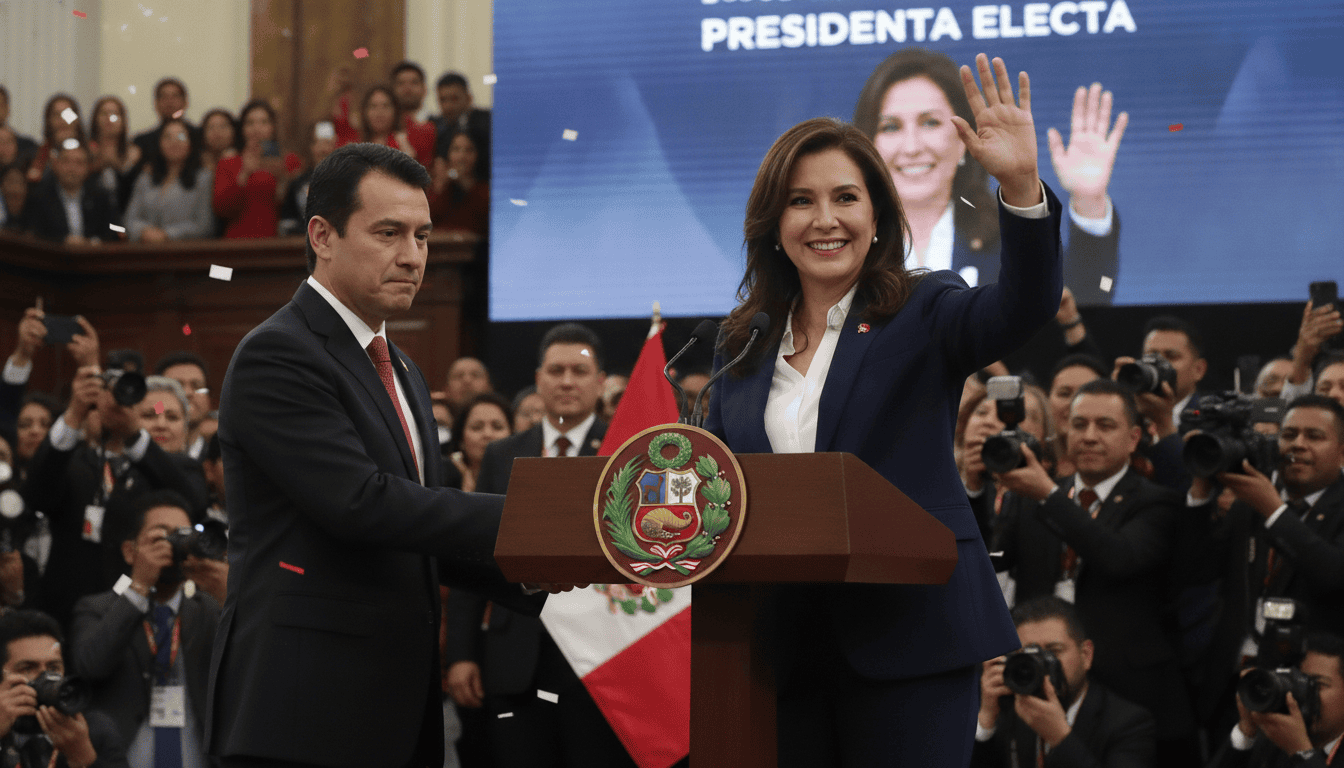
Roberto Sanchez conceded the Peru presidential election on July 6, 2026, acknowledging the National Jury of Elections’ certification that Keiko Fujimori won a razor-thin run-off. The concession ends weeks of contested vote counts and public uncertainty following the June 7 run-off and an April general election that left the country deeply divided. Sanchez’s recognition came after his earlier refusal to accept the result and threats to mount a resistance movement.
Formal concession and official recognition
Sanchez and his party issued a statement saying they “recognised that the National Elections Board had officially proclaimed the electoral results,” formally accepting the outcome certified by electoral authorities. The declaration marks a reversal from his June stance, when he said he would not recognise a Fujimori presidency and threatened mobilization. Party officials framed the concession as respect for institutional processes after the JNE completed its review and issued the official proclamation.
Sanchez’s decision avoids an extended legal or political confrontation that could have deepened instability in a country that has seen rapid governmental turnover. The recognition is likely to clear the way for the administrative and transition processes that follow certification, including preparations for the incoming president to take office later this month. Observers say the move also reduces the immediate prospect of street-level unrest tied to a prolonged dispute.
Vote margin, certification and timeline
The National Jury of Elections certified a final tally that showed Keiko Fujimori with about 9,223,000 votes and Roberto Sanchez with roughly 9,173,000 votes, a margin of approximately 50,000 ballots. The June 7 run-off required weeks of counting and verification because of logistical challenges at polling sites and the close nationwide split. Election monitors and the electoral authority methodically reviewed tallies before issuing the official proclamation last week.
Election officials stressed the certification followed legal procedures established for the run-off and reflected the best available record of ballots cast across the country. The extended timeframe for the count intensified scrutiny but ultimately produced the narrow numeric difference that defined the result. With the JNE’s declaration now accepted by the main challenger, attention shifts to final administrative steps and the formal handover of power.
Allegations of irregularities and observer findings
Throughout the prolonged counting period, Sanchez repeatedly alleged irregularities and fraud in some polling stations and vote tallies. Those claims prompted heightened attention from civil society groups and international observers, who scrutinised procedures across Lima and the regions. International and domestic monitors reported that they had not found substantiated evidence to support the fraud allegations presented by Sanchez’s campaign.
Electoral observers emphasised that the absence of verified proof undercuts claims of systemic manipulation, while acknowledging that isolated logistical problems and errors occurred at some locations. Authorities and independent monitors urged political actors to rely on established legal channels to raise disputes. The acceptance of the certified result by Sanchez’s camp removes the most significant source of ambiguity about whether judicial or extrajudicial challenges would follow.
Political platforms and voter bases
Roberto Sanchez cultivated a base of support primarily in rural and Indigenous communities, echoing parts of the platform advanced by former president Pedro Castillo. He campaigned for a constitutional overhaul to increase recognition and autonomy for Peru’s ethnic groups, pushed for greater state oversight of natural resources, and advocated higher taxes on the country’s top earners. Sanchez’s use of regional cultural symbols, including a wide-brimmed straw hat similar to that worn by Castillo, helped him connect with voters in the northern Andean and rural highland areas.
Keiko Fujimori’s campaign focused on a tough-on-crime message and promises to stabilise governance and public order. Her political brand remains associated with conservative approaches to security and economic management, appealing to voters concerned about crime and institutional fragility. The stark differences between the two campaigns underscored broader social and geographic divisions that shaped turnout and preferences across Peru.
Institutional implications and legislative changes
Fujimori will assume office amid a period of planned institutional reform that includes reconstituting the legislature into two chambers, a Senate and a Chamber of Deputies. The move reverses a unicameral arrangement that followed the dissolution of the Senate in the 1990s by her late father, former president Alberto Fujimori, who was later convicted of human rights violations and who died in 2024. Supporters argue the bicameral plan will strengthen representative checks and balances, while critics warn it could complicate governance and reopen debates about democratic safeguards.
Peru has experienced frequent presidential turnovers in recent years, and observers say the next government will face immediate tests in securing political consensus for structural reforms. The incoming administration must also manage expectations on economic policy, resource governance, and social inclusion while navigating a legislature that is being reconfigured. How Fujimori’s administration approaches those tasks will shape political stability in the months ahead.
Peru’s transition now proceeds with the main challenger acknowledging the certified result, reducing the near-term risk of an institutional standoff and allowing the formal processes of transfer and inauguration to move forward.
