
Germany Condemns Hakan Fidan Israel Remarks, Wadephul to Visit Tel Aviv
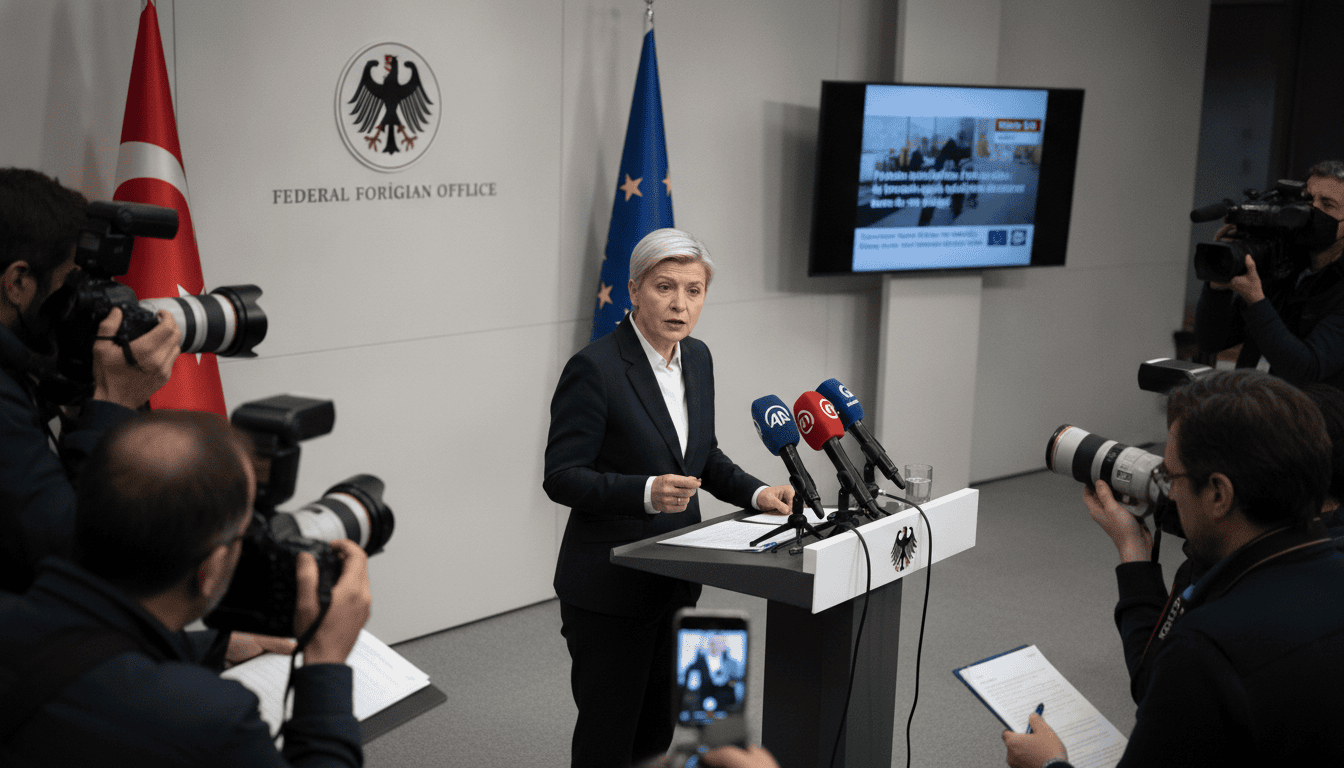
German FM Johann Wadephul condemns Hakan Fidan’s Israel remarks as “completely inappropriate” and will meet Israeli officials to ease rising diplomatic tensions.
Germany’s foreign minister Johann Wadephul has labeled Turkish counterpart Hakan Fidan’s comments about Israel “completely inappropriate” and announced plans to travel to Israel to meet with Israeli Foreign Minister Gideon Sa’ar. The dispute stems from an interview in which Fidan described Israeli policy and thinking as a burden on humanity, a characterization that Sa’ar later circulated on X. Wadephul said he will raise current Middle East issues during the visit while also seeking to promote understanding between Israel and Turkey.
Wadephul’s response and planned visit
Wadephul framed his reaction as a defense of Israel’s right to self-protection and as a call for restraint in diplomatic language. He told reporters that Israel faces persistent regional threats and therefore has both the right and duty to protect its population. The German foreign minister said he intends to meet Gideon Sa’ar in Tel Aviv to discuss the latest developments in the Middle East and to work toward reducing bilateral tensions.
The minister emphasized that improving Israel–Turkey relations is important for regional stability and suggested that diplomatic engagement will be part of Berlin’s effort to create a “common basic consensus” between the two countries. Wadephul’s decision to travel underscores how swiftly personal remarks by senior officials can escalate into broader state-level diplomatic issues.
Parliamentary criticism across German parties
Lawmakers from multiple parties in the Bundestag urged a clear and firm response to Fidan’s statements, arguing that such language was beyond acceptable diplomatic discourse. The Greens’ deputy parliamentary leader Agnieszka Brugger said the government cannot remain silent for the sake of a successful NATO summit in Ankara, while SPD representatives described Fidan’s wording as crossing a red line.
Members of the Left parliamentary group labeled the remarks “dehumanizing and dangerously incendiary,” stressing that legitimate criticism of Israeli government policy must never slide into blanket condemnations of an entire people. Several CDU deputies also voiced strong criticism, describing the comments as an unprecedented lapse in judgment by a fellow NATO minister.
Context: Israel’s recognition of the Armenian genocide
The immediate trigger for the exchange was Israel’s formal recognition of the Armenian genocide dating from 1915, a move that Ankara interpreted as a hostile political act. Turkish officials framed the recognition as an attempt to deflect from Israel’s own policies, and President Recep Tayyip Erdoğan reportedly accused Israel, via state media, of trying to obscure its actions.
That diplomatic flashpoint added fuel to an already tense bilateral relationship and provided the setting in which Fidan’s comments were made. Observers note that recent moves on historical memory and recognition can have outsized effects on present-day diplomacy, particularly between states with complicated pasts and strategic differences.
International law, antisemitism, and rhetorical boundaries
German lawmakers and civil society experts warned that depicting Jews or Israelis collectively as a problem for humanity echoes classical antisemitic tropes and conspiracy narratives. Such representations, they said, are historically rooted and can dangerously normalize discrimination or violence. Legal and human-rights groups in Germany have repeatedly stressed the importance of distinguishing political criticism from language that targets a people or faith.
Officials insisted that criticism of specific policies, including those of Prime Minister Benjamin Netanyahu’s government, remains legitimate, but must not spill into delegitimization or collective blame. The debate in Berlin underlined the tension democracies face between defending free expression and countering speech that risks incitement or dehumanization.
Diplomatic stakes ahead of NATO and regional talks
The exchange comes as NATO and regional diplomacy remain high on European and Turkish agendas, raising questions about whether Ankara’s statements could complicate summit-level cooperation. Germany appears intent on using bilateral visits to contain fallout and to promote channels of communication between Israel and Turkey, both of which are important actors for European security and for dynamics in the eastern Mediterranean.
Wadephul framed his trip as serving dual goals: to support Israel’s security concerns and to contribute to rapprochement with Turkey. Analysts say successful de-escalation will depend on careful messaging from all sides and on tangible follow-up measures that address the underlying disputes, including historical recognition and regional policy disagreements.
Germany’s foreign ministry and parliamentary leaders now face the task of balancing condemnation of inflammatory rhetoric with the practicalities of diplomacy, especially as NATO planning and regional crises demand cooperation. The coming days are likely to show whether Wadephul’s visit and diplomatic engagement can lower temperatures and restore more conventional lines of communication between Ankara, Berlin and Tel Aviv.
