
Pension Commission Proposals Leak Sparks Debate Over Higher Contributions and Longer Working Lives
German pension commission proposals leaked: higher contributions, longer working lives and larger pensions. How the measures could affect workers and budgets.
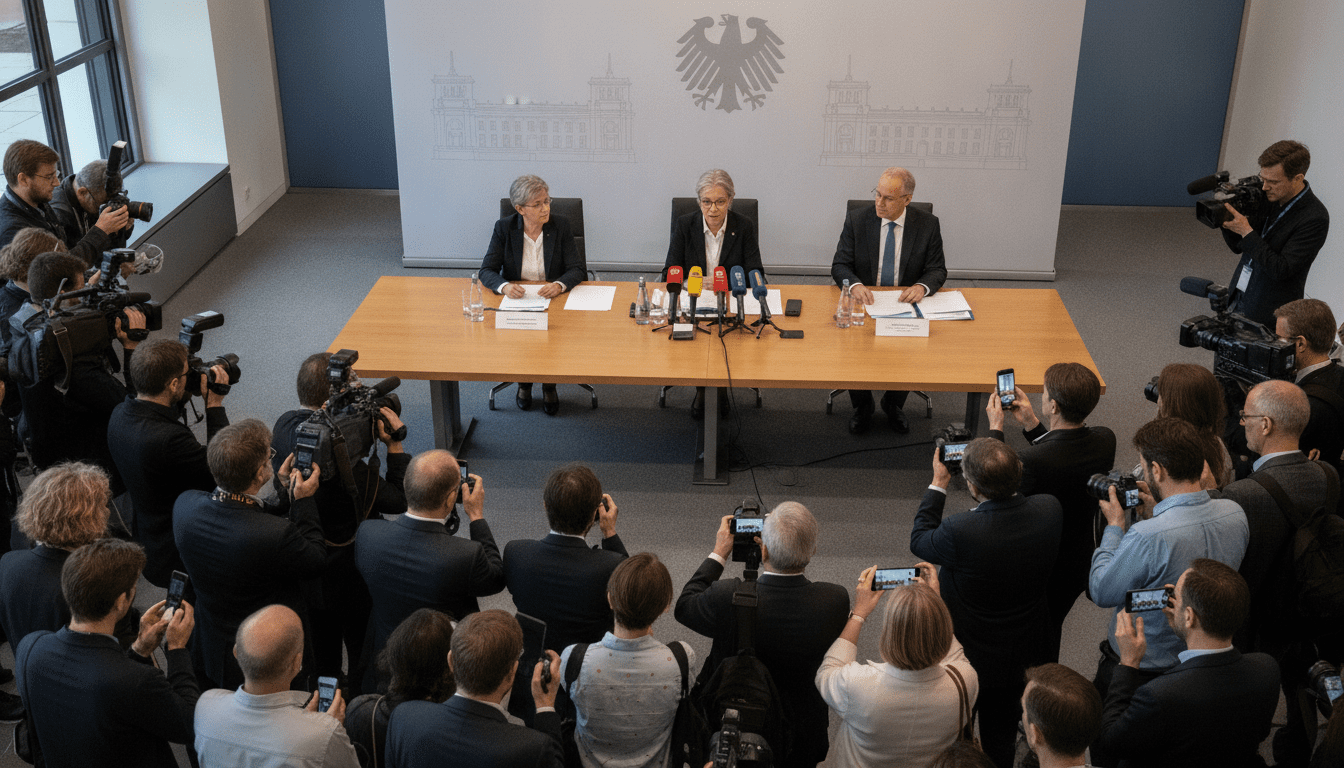
The draft report from the pension commission, due for formal release on Tuesday, was made public early and centers on a key trade-off: higher contributions and extended careers in exchange for increased retirement benefits. The pension commission proposals, now circulating in political and media circles, seek to rebalance the system by asking current and future workers to contribute more while offering larger payouts at the end of long careers. Officials and analysts are already weighing whether the package can close funding gaps without prompting new social tensions.
Key Proposals Revealed Early
The leaked recommendations propose across-the-board increases in contribution rates alongside measures to raise the statutory retirement age for some groups. The commission argues the combination would shore up long-term financing and make pensions more generous for those who remain in the labor force longer. Details on transitional arrangements for those close to retirement and targeted relief for low-income workers are said to be part of the package.
Higher Contributions, Longer Careers
Under the draft, both employees and employers would see higher payroll levies, and incentives would be introduced to keep older workers employed beyond current retirement thresholds. The commission frames longer working lives as an element of fairness and fiscal necessity given demographic shifts and longer life expectancy. Critics warn the burden could disproportionately affect physically demanding occupations and call for measures to protect vulnerable groups.
Projected Pension Gains and Distributional Effects
The report suggests that the reforms would raise average pension levels for sustained contributors, offsetting the higher lifetime contributions for many workers. Modelling provided to policymakers indicates headline increases in replacement rates for those with continuous employment histories. However, distributional questions remain open: sporadic careers, part-time employment, and gender gaps could blunt the intended gains for large segments of the population.
Coalition Response and Political Stakes
Government parties are now under pressure to react quickly to the leaked findings and to signal whether they will endorse the commission’s mix of contributions and retirement-age changes. The proposals must clear a political gauntlet in a coalition where partners hold differing views on social spending and labor-market policy. Lawmakers face electoral sensitivity: pension reform is highly visible and affects a wide swath of voters, from younger workers to retirees.
Fiscal Impact and Sustainability Questions
Proponents argue the package improves the pension fund’s balance sheet over decades by increasing inflows and extending contribution periods, while opponents question the scale of the long-term savings. Independent economists caution that much depends on economic growth, wage development, and demographic trends that could alter the reform’s projected effects. The commission’s own scenarios include sensitivity analyses, but final fiscal judgments will rest on which measures lawmakers adopt and how they are implemented.
UK Leadership Shake-up Adds Political Context
The leaks came as attention in other capitals was drawn by major political developments in the United Kingdom, where a sitting prime minister announced resignation, triggering a leadership contest that could reshape bilateral priorities and regional cooperation. Observers say the timing complicates domestic debate by adding international headlines to an already contentious national conversation. German policymakers must balance swift response with careful review as cross-border economic conditions and investor sentiment also bear on fiscal planning.
The next steps will be crucial: the government must decide which elements of the pension commission’s proposals to accept, amend, or reject, and it must design transition rules that ease burdens on those nearest to retirement. Parliamentary committees and social partners are expected to scrutinize the measures in detail, and public consultations may follow to test political feasibility. Whatever the outcome, the leaked package has already set the terms of debate and signaled that Germany’s approach to pensions will be centrally contested in the months ahead.
