
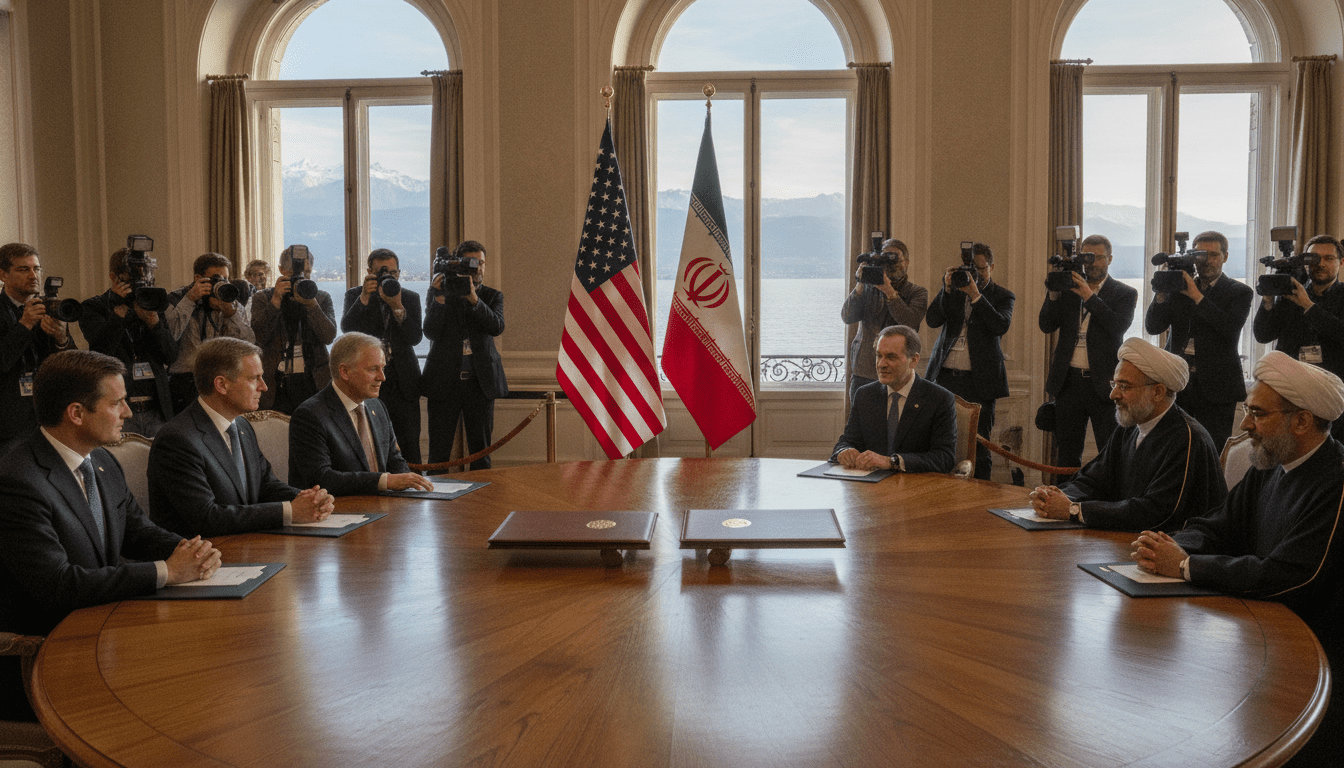
US-Iran peace agreement appears within reach as Geneva signing looms
Momentum grows for a US-Iran peace agreement ahead of a possible Geneva signing; a 60-day phase, frozen assets and regional skirmishes shape the fragile deal.
The United States and Iran say a US-Iran peace agreement is closer than ever, though both sides caution that no final deal has been signed. Diplomatic momentum is building toward a possible signing ceremony in Geneva even as fighting continues elsewhere in the region. Negotiators have described a framework that would begin a formal phase of talks while leaving key implementation steps and verification unresolved.
Diplomatic push toward a Geneva signing
Iranian Foreign Minister Abbas Araghchi told officials the memorandum of understanding with the United States has “never been closer,” but he urged restraint until formal approval is completed. Pakistani Prime Minister Shehbaz Sharif said negotiators have reached a final agreed text, though he acknowledged procedural and implementation work remains.
US media report preparations for a signing in Geneva and name Vice President J.D. Vance as a likely US attendee, but senior US officials emphasize that attendance and the ceremony itself are contingent on final approvals and sequencing. Both Tehran and Washington continue to frame the memorandum as a first step rather than a finished treaty.
Key articles and the staged timeline proposed
According to Iranian statements, the memorandum currently contains 14 articles and sets out a phased approach to resolve outstanding issues. The first phase is expected to run for 60 days and will address a roster of unresolved files, including the nuclear dossier.
The text reportedly establishes deadlines for implementation and envisages follow-up negotiations if initial commitments are met. Iranian officials warned that the process would be halted if the other side fails to fulfil obligations within the agreed timeframe, indicating the accord’s fragile conditionality.
Sticking points: nuclear file and frozen assets
Negotiators have left the nuclear file among the matters to be addressed during the first phase, a sign that deeper technical and verification work will continue after any signing. US officials have stressed that no frozen Iranian funds will be released until Tehran fulfils its obligations under the memorandum.
Iranian officials have said roughly $24 billion in frozen assets could be unlocked under the broader framework, but authorities in the United Arab Emirates rejected reports that funds had already been released or transferred. The discrepancy underscores the complexity of disentangling financial measures from political and security guarantees.
Domestic and international political reactions
Political leaders on both sides have reacted cautiously as the texts circulate. Iran’s parliament speaker publicly warned Washington against abandoning commitments, framing the memorandum as a way to formalize gains achieved during the conflict. In the United States, the development prompted mixed responses across the political spectrum, with some officials urging patience until legal and procedural steps are completed.
Former president Donald Trump reposted Araghchi’s statement and signalled confidence in the negotiations, while other US figures have criticised media leaks and urged strict conditions be attached to any release of assets. The interplay of domestic politics on both sides will shape how quickly the accord can move from memorandum to implementation.
Maritime confrontations and energy flows remain volatile
Tensions at sea remain elevated despite diplomatic progress on land, with the US military reporting it shot down multiple Iranian drones over the Strait of Hormuz. The incidents reflect ongoing security concerns for commercial traffic and naval forces operating in the region.
US officials say oil flows through the Strait have recovered to roughly half of pre-war levels, indicating a partial restoration of maritime activity but also signaling persistent fragility. Shipping and insurance costs, along with periodic military encounters, continue to complicate the practical benefits of any diplomatic breakthrough.
Violence and troop movements near the Lebanon border
While negotiators push for de-escalation elsewhere, Israeli strikes and ground movements continue to affect Lebanon, with reports of attacks that struck an emergency response facility and wounded paramedics. The United Nations has documented heavy Israeli troop and air movements near the Lebanon border, raising concerns about spillover even as talks proceed.
Diplomats warn that localized fighting could undermine broader diplomatic gains if it expands or provokes retaliatory actions. International observers are closely watching whether the memorandum’s conditional terms and confidence-building measures can prevent further escalation along other front lines.
If negotiators sign a memorandum in Geneva, the agreement would mark a significant diplomatic step and open a defined 60-day window for addressing remaining issues, including the nuclear file and financial measures. Yet the deal’s success will depend on prompt, verifiable implementation and coordination among third-party custodians of frozen assets. For now, the accord remains a conditional framework promising progress but carrying clear risks should either side back away from its commitments.
