
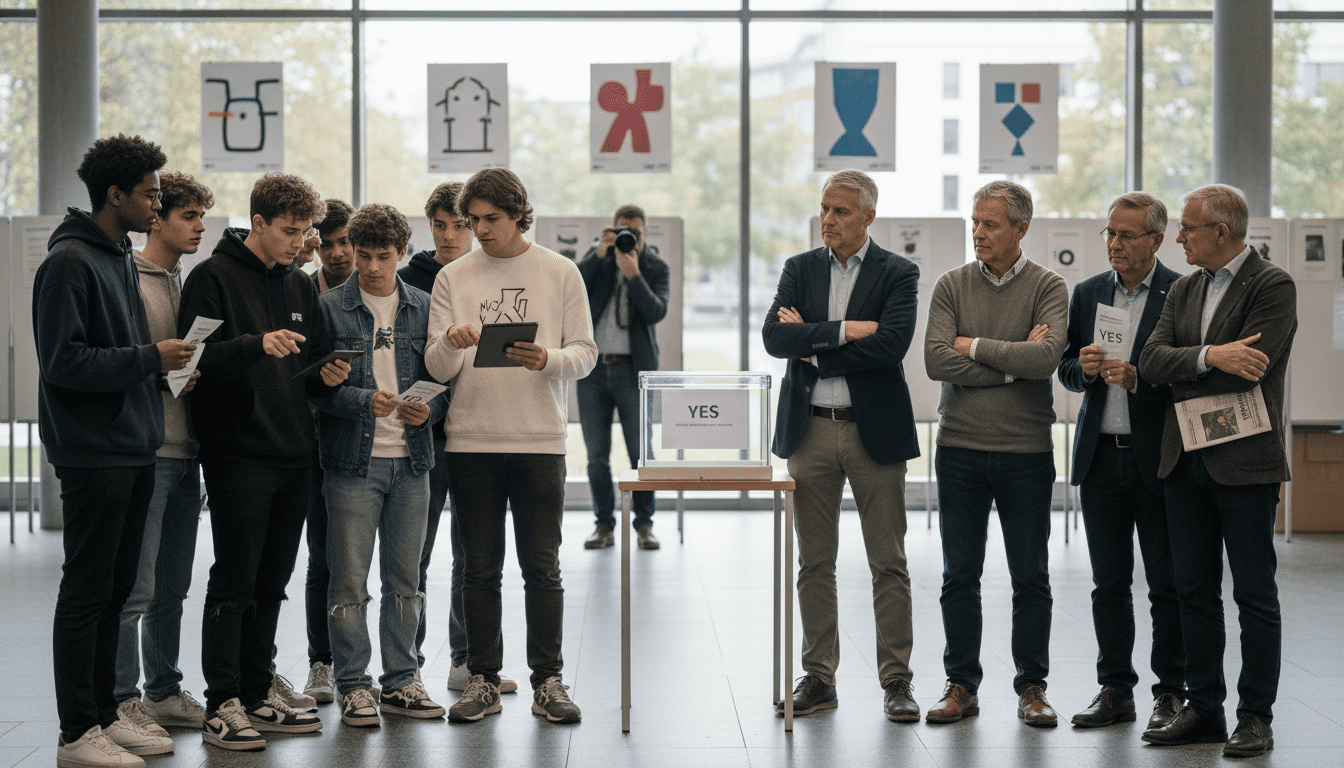
Hamburg Olympic referendum exposes Gen Z–boomer split as campaign opens with drone show
Hamburg voters decide in the May 31, 2026 Hamburg Olympic referendum. A drone show launched the campaign at the harbour, setting the stage for a vote that has become framed as a generational contest. The ballot pits proponents promising investment and visibility against opponents warning of costs and environmental risk.
Drone show opens campaign at Hamburg harbour
A skyline drone display over the port marked the official start of the campaign, drawing crowds and headlines as organizers sought to dramatize the bid’s potential. Event planners used the spectacle to signal technological ambition and civic pride while campaigners distributed informational leaflets nearby. The visual launch underscored how the referendum has been staged not only as a policy choice but as a public-relations battle.
Younger voters show signs of skepticism
Pollsters and campaign observers say the debate is increasingly mapped onto generational lines, with many younger Hamburg residents expressing doubts. Gen Z voters and young adults have raised questions about long-term costs, housing pressure, and the climate footprint of staging the Olympics. That skepticism is visible on social media platforms where youth activists have amplified concerns and organized local events ahead of the vote.
Supporters highlight jobs and urban investment
Backers of the Olympic bid argue the games would trigger major infrastructure upgrades and create short-term employment opportunities. City officials and business groups have emphasized promises of transport improvements, venue construction and an international spotlight that could boost tourism. Supporters contend that careful planning can limit cost overruns and deliver lasting benefits to neighbourhoods long in need of investment.
Opponents focus on climate and fiscal risk
Critics counter that the largely public-financed nature of mega-events often leaves taxpayers shouldering unexpected debt and maintenance bills. Environmental advocates point to increased emissions from construction and travel, as well as the potential loss of green space in sensitive waterfront and urban areas. Campaign materials from opponents stress that Hamburg already has a strong international profile and can pursue urban development without the uncertainties of hosting the Games.
Campaign messaging targets different constituencies
The opening days of the campaign reveal distinct messaging tracks: appeals to civic pride and economic argumentation on one side, and warnings about austerity and ecological impact on the other. Organizers on both sides are deploying boomer-focused outreach through town-hall meetings and traditional media while directing digital campaigns at younger voters. That tactical split reflects how the referendum is being contested across age, media and neighbourhood divides.
What to watch on Sunday’s ballot in Hamburg
Analysts say turnout will be decisive; a narrow margin could embolden either coalition and shape municipal politics for years. Key municipalities around the harbour and inner city are likely to determine the result, as are campaigns to mobilize younger voters who may be less likely to vote but more inclined to oppose the bid. Observers will also monitor post-referendum legal and planning steps should the vote pass, including financing agreements and environmental reviews.
The Hamburg Olympic referendum has become more than a decision about a single event: it is a test of civic priorities and intergenerational trust. As May 31 approaches, the city faces a stark choice between the promise of large-scale transformation and caution about long-term costs and climate commitments. The outcome will reverberate through local politics and influence how Hamburg balances ambition with fiscal and environmental prudence.
