
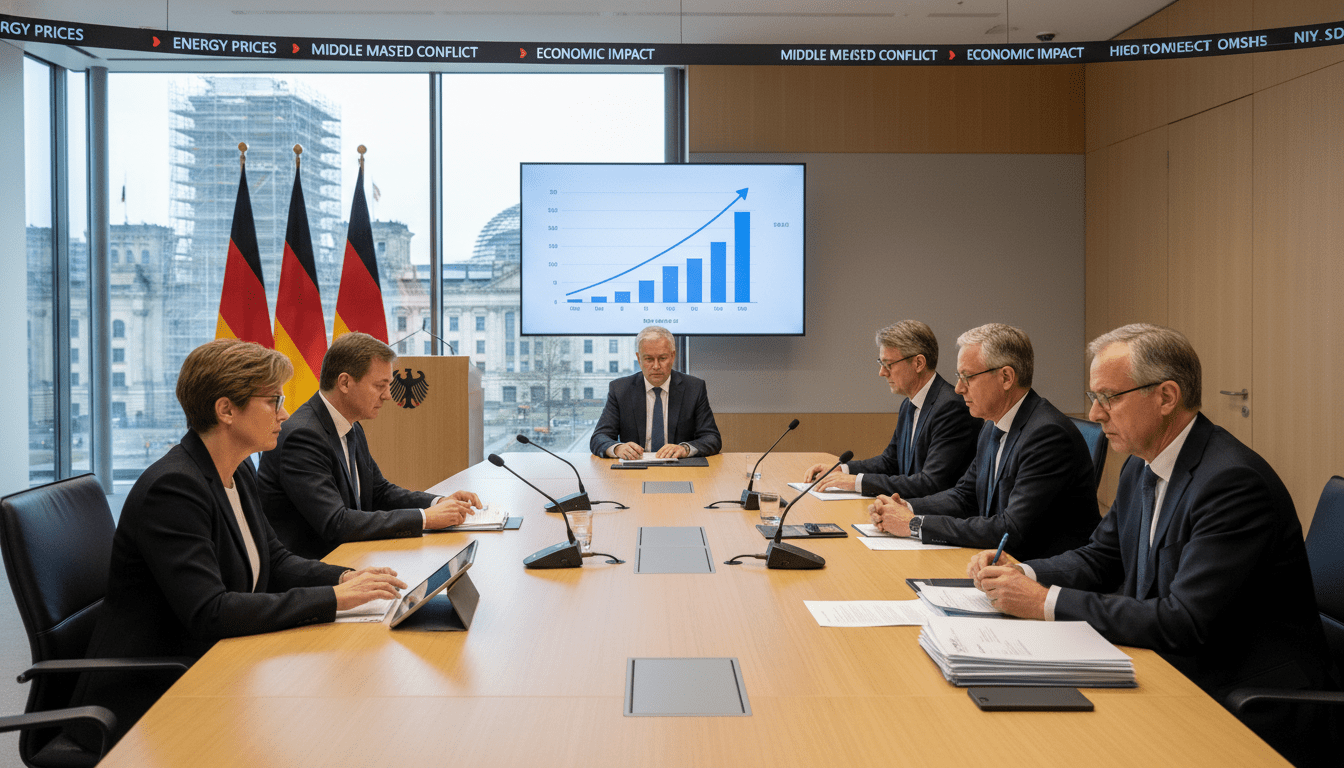
German import prices jump 5.3% in April as Iran conflict fuels energy costs
German import prices rose 5.3% year‑on‑year in April, driven by soaring oil, kerosene and gasoline after the Iran conflict and Strait of Hormuz disruptions pushed global energy markets higher and businesses.
Import prices surge in April
The Federal Statistical Office reported that German import prices climbed 5.3 percent compared with April last year, marking the strongest increase since early 2023. Officials attributed the jump primarily to higher energy prices linked to the war involving the United States, Israel and Iran and interruptions around the Strait of Hormuz. The rise is broad‑based but concentrated in energy and refined fuels, which account for a large share of the headline movement.
Energy costs account for the bulk of the increase
Energy sectors were the main contributors to the import price surge, with analysts noting that global crude and product markets tightened after the escalation of hostilities in late February. The statistics office highlighted that overall energy prices rose markedly, feeding through to import bills for Germany’s industry. Because Germany relies heavily on imported oil, gas and refined products for transport and industry, volatility in those markets quickly translates into higher import price indices.
Fuels register the steepest year‑on‑year gains
Refined fuels showed particularly sharp year‑on‑year increases in April, with kerosene and gasoline rising by more than half compared to the same month last year. Crude oil prices also registered substantial gains, exacerbating costs for sectors that depend on petroleum products. This steep rise in fuels has immediate implications for transport, aviation and logistics firms, which face higher input costs and narrower margins unless they pass prices on to customers.
January 2023 spike provides historical context
The recent increase evokes the import price shock recorded in January 2023, when prices surged following Russia’s military action in Ukraine and attendant energy market disruption. At that time, import prices experienced a dramatic jump, underscoring how geopolitical events can trigger sudden shifts in Germany’s external cost structure. Economists say the current pattern is similar in its energy focus, although the specific geopolitical drivers differ.
Impact on consumer inflation and industry margins
Imported cost pressures are filtering into consumer prices and industrial margins, according to the data. Consumer inflation rose sharply in April, with the office reporting a notable month‑on‑month increase and energy prices acting as a key upward force. For manufacturers that import many intermediate goods, higher import prices reduce competitiveness and can erode profitability, particularly for firms unable to transfer additional costs to final consumers.
Supply‑chain disruption and the Strait of Hormuz
The blockade and increased risk in the Strait of Hormuz have complicated shipping patterns and insurance costs, raising the effective price of oil and other commodities delivered to Europe. Shipping delays and rerouting raise transport costs and create short‑term supply bottlenecks for raw materials and refined products. Market participants warn that prolonged instability in the region would sustain elevated premiums on oil and gas, reinforcing import price pressures.
Policy responses and market adaptations
Policy makers and firms are now weighing responses to the renewed price shock, from accelerated procurement of alternative supplies to temporary relief measures for vulnerable sectors. Some companies are seeking longer‑term contracts, strategic stockpiling, or switching to alternative energy where feasible. Central banks and fiscal authorities will monitor the pass‑through to core inflation to determine whether tighter monetary policy or targeted fiscal support is required.
The path of import prices in the coming months will depend on the duration and intensity of the Iran‑related conflict and whether shipping through the Strait of Hormuz returns to normal. If energy markets calm, import price inflation could moderate; if tensions persist, German import prices are likely to remain elevated, continuing to shape consumer inflation and business costs across the economy.
