
Taylor Swift Vienna attack plot at center of trial as accused appears at Wiener Neustadt court
A 21-year-old defendant bears accusation of involvement in the Taylor Swift Vienna attack plot that prosecutors say forced the singer to cancel three Austrian shows in 2024. The case is being heard at the Landesgericht Wiener Neustadt, where court testimony has described the alleged threat as concrete and serious. The proceedings have renewed scrutiny of concert security and the investigation into alleged Islamist plotting that upended the tour schedule.
Courtroom demeanour and image of the accused
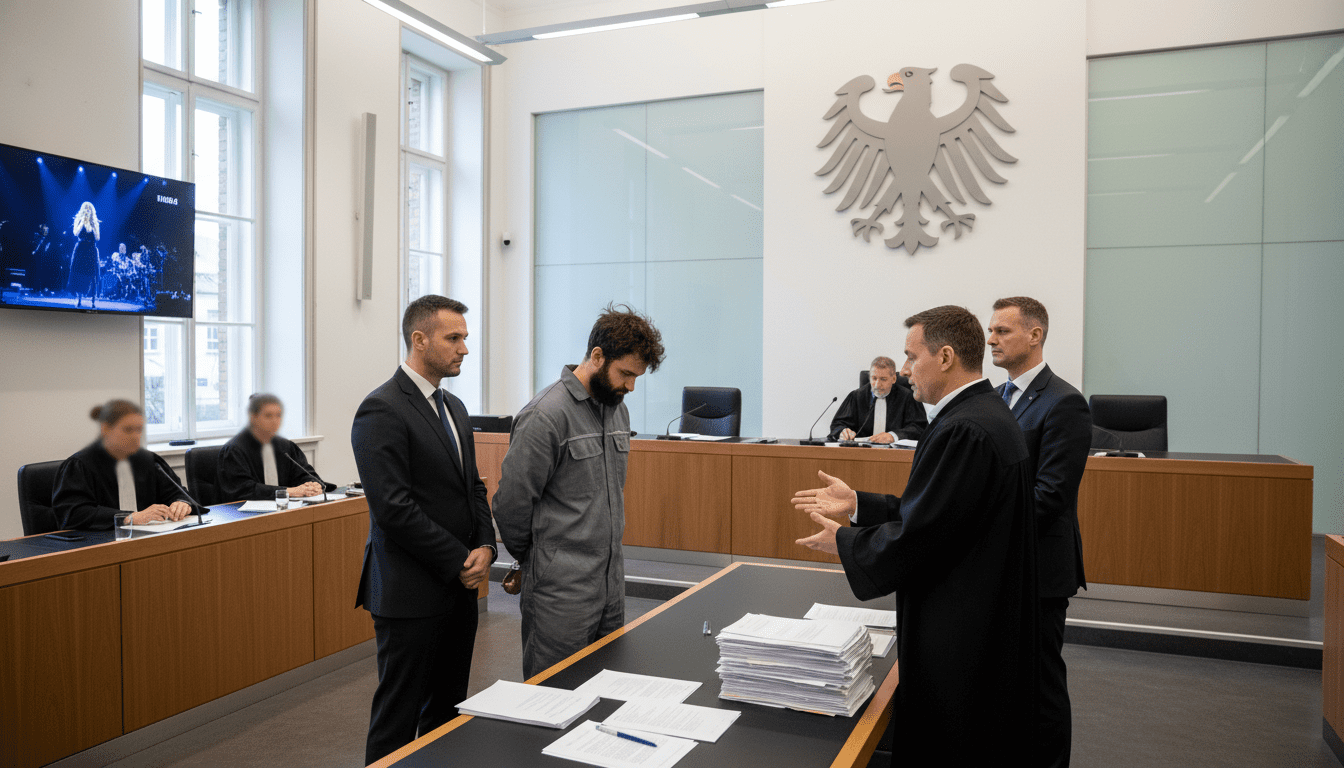
Inside the Landesgericht Wiener Neustadt the defendant, identified in filings as Beran A., presented a composed, approachable appearance. Wearing a shirt and dark trousers with curly hair, he listened closely to statements and often smiled toward the public gallery. When questioned he told the presiding judge he sought to “appear sympathetic,” a remark underscoring the contrast between his courtroom manner and the gravity of the allegations.
Prosecutors outline the alleged 2024 plot
Public prosecutors have told the court that the case centers on an alleged Islamist-motivated plan targeting Taylor Swift’s concerts in Vienna in 2024. According to the prosecution, the threat reached a level judged sufficiently concrete to prompt the cancellation of Swift’s three scheduled performances in Austria. Authorities say the alleged planning and intent are the central focus of the indictment and ongoing fact-finding.
Security fallout from cancelled shows
Taylor Swift’s cancellation of the Austrian dates prompted immediate reactions from fans, venues and security officials who scrambled to assess risk and public-safety protocols. The decision affected tens of thousands of ticket-holders and triggered refund and relocation logistics managed by promoters. The cancellations also prompted a broader review of how major events evaluate and respond to intelligence about potential extremist threats.
What the court has heard about evidence
Court sessions have so far outlined elements the prosecution considers significant but have not released full operational details publicly. Investigators reportedly pieced together material they say indicates planning steps, though defence lawyers in court have disputed the interpretation of those materials. Judges in such cases balance the need for public transparency with procedural protections and secrecy where ongoing intelligence work is involved.
Charges, legal path and next steps
The defendant faces criminal proceedings brought by the public prosecutor, with allegations framed around extremist violence and plotting that targeted a public event. Proceedings at the Landesgericht Wiener Neustadt will determine whether sufficient evidence warrants trial or further pre-trial measures. Legal representatives for both sides may file motions, call witnesses or request additional investigative actions as the court sets future hearings.
Impact on public policy and event security practices
Officials and industry stakeholders say the case has sharpened attention on the intersection of counterterrorism and live entertainment. Security planners for large-scale events have signaled intensified cooperation with law enforcement and revised threat-assessment routines. Policymakers and venue operators are also under pressure to ensure rapid, reliable communication with the public when intelligence prompts cancellations or other extraordinary measures.
Community and legal observers respond
Observers of the proceedings note the tension between individual courtroom demeanor and the seriousness of terrorism-related allegations. Civil-society groups caution against precipitous judgments in open court while urging thorough investigation into any credible threats. Legal analysts emphasize that an accusation is not a conviction and stress the importance of transparent judicial process to establish the facts and apply the law.
The trial is ongoing at the Landesgericht Wiener Neustadt, and the court will set further dates as prosecutors and defence counsel prepare evidence and legal arguments. The outcome will hinge on the judicial assessment of the material presented and whether it meets the threshold for criminal conviction under Austria’s laws governing extremist violence and public-safety offences.
