
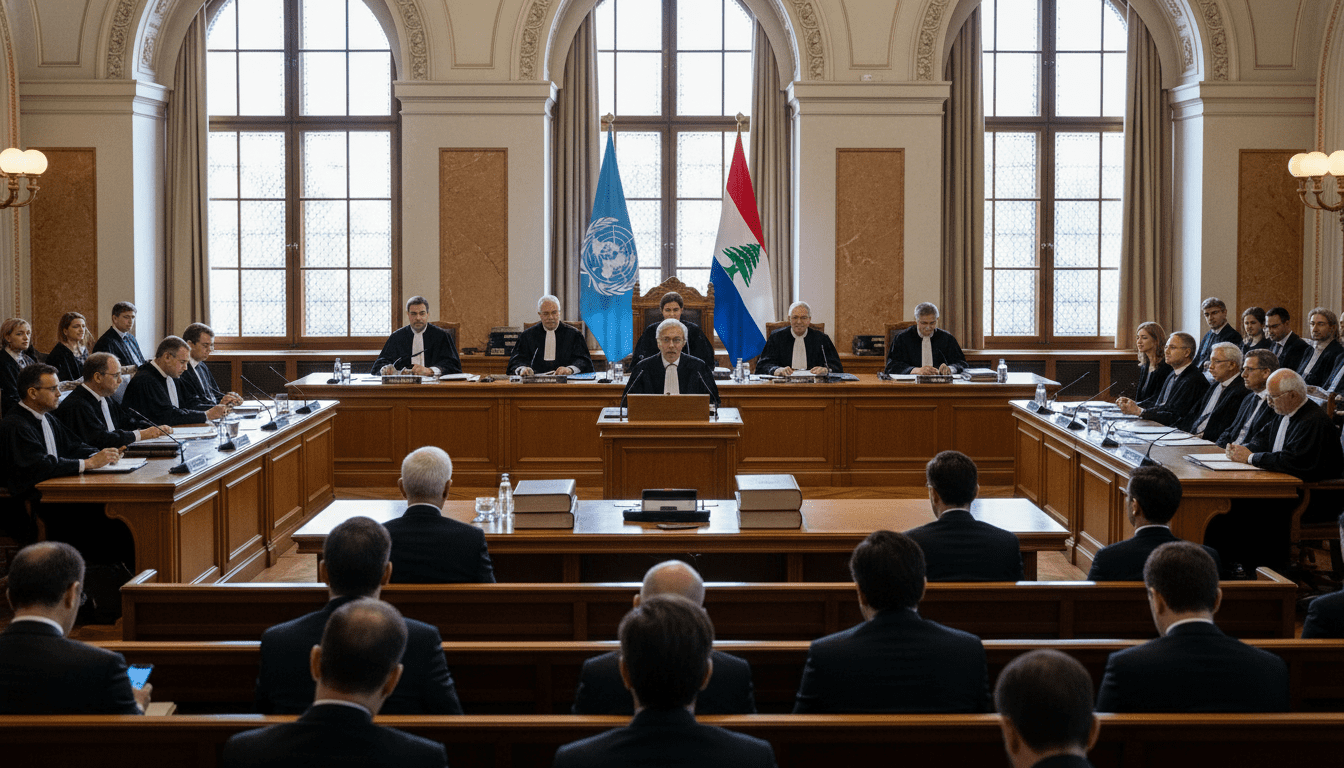
ICJ Rules Right to Strike Is Protected Under ILO Convention 87
UN court says workers’ right to strike is protected by ILO Convention 87 in a 10-4 advisory opinion, a nonbinding ruling that could influence labour laws worldwide.
The International Court of Justice has issued an advisory opinion finding that the right to strike is protected under the International Labour Organization’s 1948 Freedom of Association treaty, known as Convention 87. The court’s formal opinion, delivered on 21 May 2026, concluded that strike action is one of the principal means by which workers and their organisations pursue and defend their interests.
ICJ issues advisory opinion on Convention 87
The ICJ was asked by the ILO to clarify whether Convention 87 implicitly protects strike action after years of dispute between workers’ and employers’ representatives. The question had been the subject of internal contention at the ILO, prompting the agency to seek the court’s interpretation in November 2023.
A 14-member panel of judges considered the legal relationship between collective action and freedom of association before reaching a 10-4 majority. Court president Yuji Iwasawa announced the opinion, which frames strikes as closely connected to the treaty’s object and purpose.
The court emphasised that its view was advisory and not a binding ruling on domestic law. Nonetheless, advisory opinions from the ICJ are often treated as highly persuasive in national and regional courts, potentially guiding future litigation and legislation.
Judges find strikes align with treaty purpose
In its written opinion the court reasoned that strikes are “one of the main activities engaged in and tools used by workers and their organisations” to improve labour conditions and defend members’ interests. That connection led the judges to conclude the practice sits within the scope of Convention 87’s protections.
The 10-4 vote reflected differing judicial approaches to treaty interpretation, with the majority applying a purposive reading of the convention. Dissenting judges raised concerns about the implications of recognising a right to strike without detailed parameters, according to court disclosures.
The ICJ deliberately stopped short of defining the precise legal content, limits or conditions that should govern strike action. That restraint leaves room for national legal systems to adapt the opinion to their own constitutional and statutory frameworks.
Narrow ruling but broad implications
Although the advisory opinion does not create binding obligations, it removes a longstanding ambiguity over whether Convention 87 covers strikes. The ILO noted the decision resolves a “long-standing difference of views” between employers’ and workers’ groups, a dispute that had persisted for decades.
Convention 87 has been ratified by 158 countries, giving the ruling immediate relevance across many jurisdictions. Legal experts and labour advocates say the opinion will be cited in court cases and policy debates, particularly in countries that have not formally recognised strike rights.
At the same time, governments retain discretion in regulating strikes, including defining lawful limits and conditions for industrial action. The ICJ’s refusal to prescribe detailed rules means national legislatures and courts will continue to shape how the right to strike operates in practice.
Potential ripple effects for national labour law
Labour lawyers predict the advisory opinion will strengthen judicial review challenges to restrictive strike laws in several countries. Where domestic courts have previously been uncertain, judges may now rely on the ICJ’s reasoning when interpreting constitutional guarantees or international commitments.
Policymakers could also face renewed pressure to reform statutes that criminalise or unduly limit collective action. For multinational firms and cross-border labour disputes, the opinion provides a fresh reference point for negotiations and compliance strategies.
Nonetheless, the practical impact will vary by jurisdiction. States with entrenched prohibitions on strikes in critical sectors, or with emergency exceptions, may argue their measures are consistent with the ICJ’s caveat that the opinion does not set out all conditions for exercising the right.
Reactions from unions, employers and the ILO
Worker organisations hailed the opinion as a landmark endorsement of collective bargaining tools. Representatives said the court’s recognition validates efforts by unions to secure bargaining power and safer, fairer working conditions worldwide.
Employer groups expressed cautious concern, noting the ruling’s advisory status and the need for balance between labour rights and public order or essential services. Some business associations signalled they would seek further clarification on permissible limits to strike action.
The ILO, which requested the advisory opinion, described the court’s response as resolving an “exceptionally rare” request that the agency had deemed necessary to settle internal disagreements. The organisation indicated it will use the opinion to inform future guidance and standard-setting work.
The International Trade Union Confederation’s counsel told the court the case concerned the real rights of millions of workers, underscoring the social stakes behind what might otherwise appear a technical legal question.
The ruling arrives at a moment of heightened global labour activism and policy debates over workers’ rights, collective bargaining and the role of unions in economies undergoing rapid change.
As national authorities, courts and social partners absorb the ICJ’s opinion, expect a series of legal and political responses that will test how a nonbinding interpretation can shape binding domestic rules and everyday workplace practices.
