
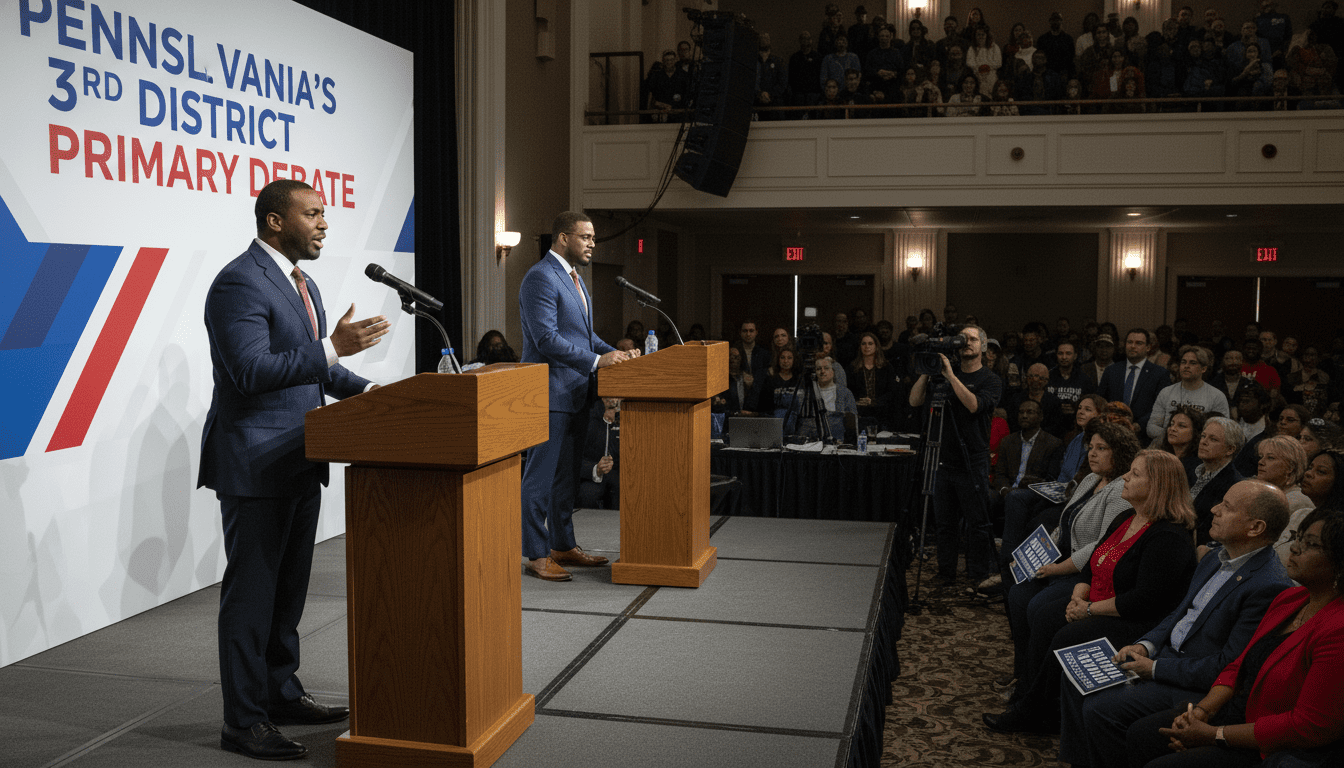
Pennsylvania’s 3rd Congressional District primary spotlights progressive showdown in Philadelphia
Philadelphia voters decide Pennsylvania’s 3rd Congressional District primary, pitting progressives Chris Rabb, Sharif Street and Ala Stanford against each other. (158 characters)
Voters in Philadelphia are heading to the polls for Pennsylvania’s 3rd Congressional District primary, a contest that has become a focal point for debates inside the Democratic Party. The race features state Representative Chris Rabb, state Senator Sharif Street, pediatric surgeon Ala Stanford and attorney Shaun Griffith, all running on broadly progressive platforms. Attention from national figures and competing endorsements has amplified the stakes of a primary in a district considered deeply Democratic. With incumbent Rep. Dwight Evans stepping down, the winner is widely expected to sail through the general election.
Primary in Philadelphia’s Democratic stronghold
The third district covers much of Philadelphia’s urban core and is among the nation’s most Democratic-leaning districts. Analysts note the area voted substantially more Democratic than the national average in recent presidential contests, making the primary the decisive contest for November’s seat. The vacancy left by Evans, who chose not to seek reelection after a decade in Congress, has produced an open and closely watched fight. Local leaders say the primary outcome will shape the city’s progressive voice in Washington.
A volatile three-way contest
Campaigns and private polls supplied by the campaigns show a fluid race without a clear frontrunner. Surgeon Ala Stanford has courted voters as an outsider and public-health advocate, while Sharif Street leans on party relationships and institutional support. Chris Rabb has styled himself as an unapologetic progressive firebrand, drawing comparisons to prominent national left-wing figures. With Shaun Griffith also on the ballot, the contest may be decided by narrow margins and turnout patterns.
Candidates’ records and pitches
Ala Stanford’s campaign emphasizes her leadership during the COVID-19 pandemic and her work addressing health disparities in Black Philadelphia. Sharif Street has built a resume in state government and party leadership, serving as state party chair and drawing backing from labour and establishment figures. Chris Rabb, a state representative and democratic socialist, stresses bold policy proposals on housing, healthcare and immigration enforcement reform. Shaun Griffith, while less prominent in polls, positions himself as a legal advocate focused on community issues and justice reform.
Endorsements expose party fissures
Endorsements have mapped a clear split between establishment and progressive wings of the party, with national figures and local power brokers picking different sides. Rabb has attracted endorsements from prominent progressive Democrats, while Street has secured support from major labor unions, city officials and the mayor. Stanford won the backing of outgoing Rep. Evans, an endorsement that highlights her appeal across some centrist and grassroots constituencies. Campaign strategists say those endorsements matter most in mobilizing volunteers, precinct operations and ward-level turnout.
Labour, ward leaders and neighborhood turnout
Philadelphia’s ward leaders and organized labour remain central to how the primary unfolds, particularly in North, West and Southwest neighborhoods. Street’s alliances with ward committee members and construction and trades unions could translate into a disciplined ground game in many precincts. Rabb’s supporters argue that energized progressive voters and younger constituencies will close gaps in areas with high turnout. Observers warn that if turnout is uneven, the result may hinge on which coalition layers turnout operations more effectively.
Vote-splitting and the path to victory
Local analysts project that the winner may secure victory with a plurality rather than a majority, given the three-way dynamic among the top candidates. Some backers say Rabb benefits if Street and Stanford split the more moderate or establishment-leaning vote. Others argue Street’s organizational network and union backing give him a reliable pathway to victory if his supporters show up. Stanford is widely characterized as a potential spoiler or swing factor whose appeal cuts across both blocs.
Implications beyond the district
Because Pennsylvania remains a national battleground, the primary has drawn attention as a test of Democratic strategy heading into 2026. A progressive nominee from a left-leaning district would add another strong voice to the party’s liberal wing in the House. Conversely, a Street victory would signal the continued strength of party infrastructure and labour alliances in urban Democratic politics. Either outcome will be scrutinized for lessons about messaging, turnout and the party’s capacity to unite challengers and establishment figures.
Turnout and ground operations are expected to be decisive in the coming days, with each campaign deploying volunteers and targeted outreach to win narrow margins. The candidate who most effectively converts endorsements and local networks into votes will almost certainly take the seat in November.
