
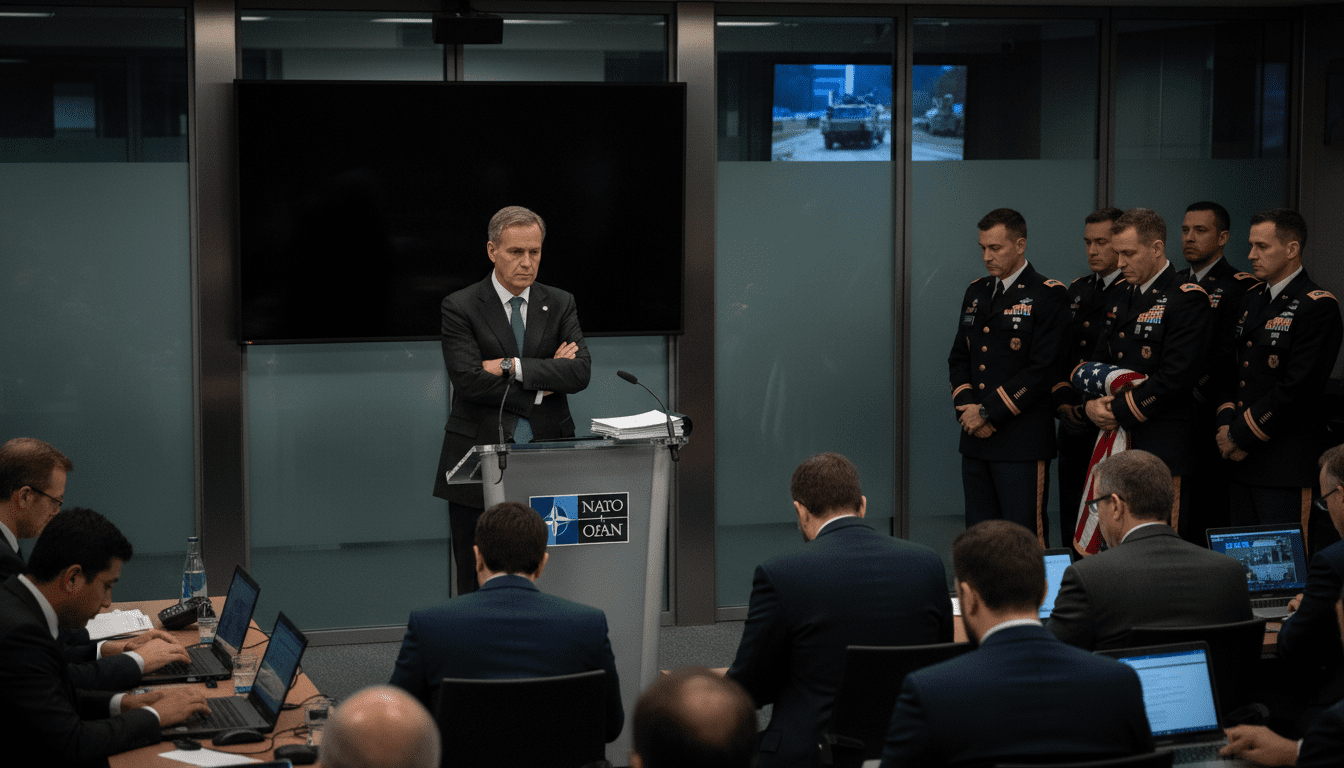
US halts troop deployment to Poland, recalling 4,000 soldiers and equipment
US halts troop deployment to Poland, recalling 4,000 soldiers and equipment; Pentagon surprise fuels allied concern and political backlash over NATO deterrence.
The United States has halted the deployment of 4,000 troops to Poland, abruptly cancelling a planned stationing that had been publicly marked by a send-off at Fort Hood on May 1. The decision to stop the deployment to Poland was made by Defense Secretary Pete Hegseth and has prompted immediate orders to recall some personnel and military equipment that had already begun moving toward Europe. The move, described by Pentagon staff and congressional Republicans as sudden, has raised alarm among NATO allies and sparked sharp political debate in Washington and Berlin.
Pentagon decision surprised staff and allies
The deployment cancellation was communicated with such short notice that even Pentagon employees and certain Republican lawmakers said they were taken off guard. Officials reported that planning for the 1st U.S. Cavalry Division’s rotation had been advanced and that some elements of the brigade combat team had already departed for staging areas. U.S. media reported early returns of both troops and heavy equipment as logistics teams reversed earlier movement orders.
The abrupt halt has intensified questions about the decision-making process inside the Department of Defense. Military planners now face the operational task of reconstituting units and accounting for materiel that had been prepared for forward basing, complicating readiness calculations ahead of other scheduled rotations.
Operational impact on units and logistics
Commanders tasked with the 1st U.S. Cavalry Division rotation must now manage the administrative and morale effects of an unexpected reversal. Soldiers who attended a public send-off at Fort Hood on May 1 were told their deployment plans had changed, and units are now being reassigned or returned to home stations. Equipment that had begun transatlantic movement will require inspection and reintegration into unit maintenance cycles, with associated costs and delays.
Analysts say such abrupt shifts can degrade short-term operational readiness by disrupting training cycles and supply plans. Logistics officers must also reconcile transport contracts and air- or sealift schedules, which could ripple through other planned movements and exercises across the region.
Allied reaction and NATO deterrence concerns
European allies, including Polish officials who had prepared to host the brigades, expressed consternation at the cancellation and the lack of advance coordination. NATO partners viewed the planned deployment as part of a broader deterrent posture in Eastern Europe, and the abrupt reversal prompted immediate questions about the alliance’s cohesiveness. Some European diplomats warned the incident could be exploited by adversaries who monitor transatlantic political and military signals.
In Washington, Republican Senator Marco Rubio publicly raised concerns about the implications for NATO, questioning the alliance’s ability to present a unified deterrent if major force movements are halted without consultation. Such public questioning of NATO’s effectiveness has added to diplomatic unease as allies seek clarity on the United States’ long-term commitments to forward defense in Europe.
Political fallout in the United States and Germany
The decision has quickly become fodder for domestic political debate, with members of Congress demanding briefings and clarification from the Pentagon about the rationale for the reversal. Republican critics described the halt as undermining U.S. credibility, while some defense policymakers called for a transparent explanation of the factors—strategic, logistical, or political—that led to the order. The episode has prompted inquiries into whether the action responds to a reassessment of threat levels, internal policy disagreements, or other considerations.
Across the Atlantic, the cancellation coincided with fresh controversy over remarks by Germany’s chancellor that provoked widespread public reaction. German opposition figures, including CDU politician Eckart Kiesewetter, warned that decisions by the Pentagon and allied governments risked strengthening Russia’s position if allied deterrence appeared inconsistent.
Next steps and implications for NATO posture
Allied capitals and NATO headquarters are likely to seek immediate consultations to assess the operational and political consequences of the canceled deployment. Military planners will need to confirm the status of recalled units and equipment and determine timelines for any alternative arrangements or future rotations. Congressional oversight is expected to press the Pentagon for a formal justification and an outline of any revised strategy for U.S. forces in Europe.
Longer-term implications hinge on whether this action is an isolated administrative decision or part of a broader shift in U.S. force posture. For NATO, clarity on commitment levels, transparent consultation, and predictable rotation plans are critical to maintaining deterrence. Absent such signals, partners say, trust may erode and adversaries may test perceived seams in allied security.
The abrupt halt of the Poland deployment has created immediate operational headaches and wider strategic questions for NATO and its members, underlining how sudden changes in U.S. troop movements can have rapid diplomatic and political consequences across the transatlantic alliance.
