
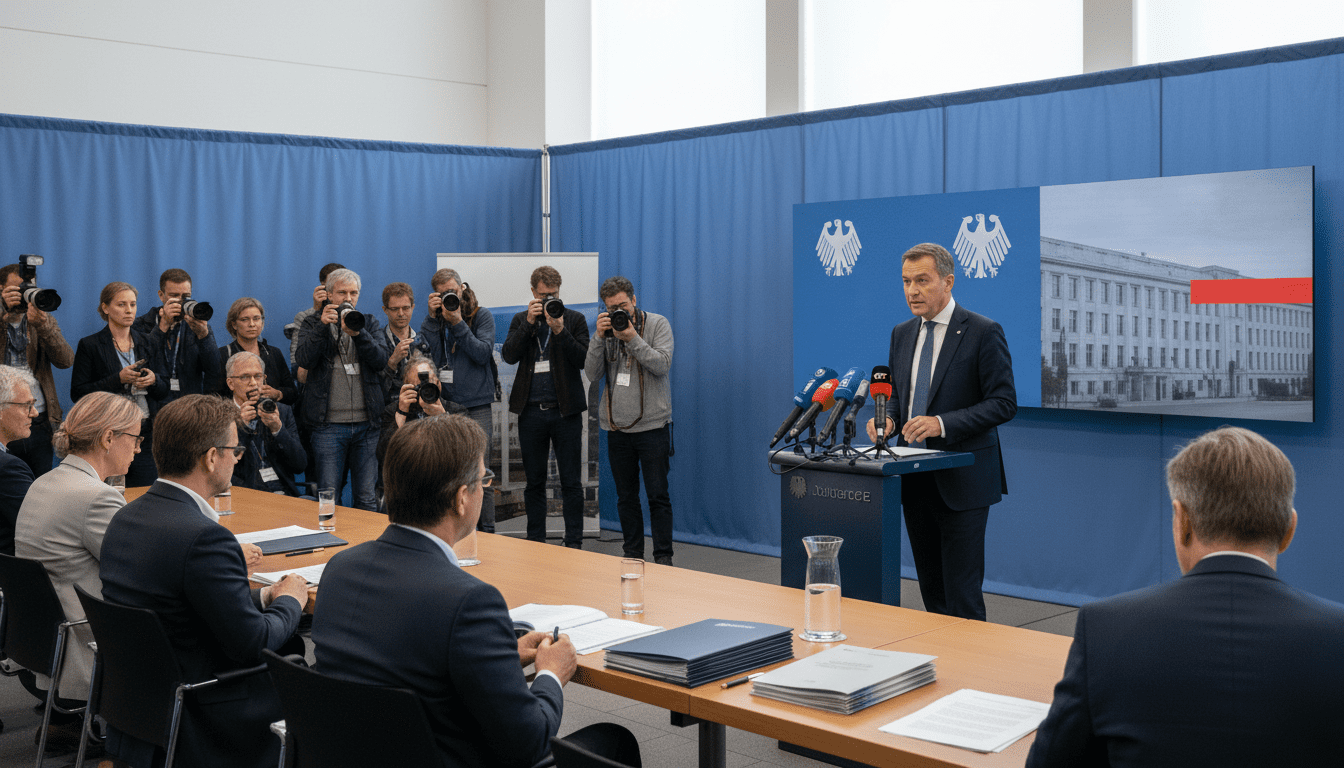
SPD’s Miersch casts doubt on long-term Tankrabatt, urges targeted relief and tax reform
Germany’s SPD leader Matthias Miersch questions extending the temporary Tankrabatt, saying blanket fuel rebates are unsustainable and urging targeted relief and structural tax changes.
The SPD parliamentary leader Matthias Miersch has raised doubts about extending the two-month Tankrabatt that reduced fuel costs for motorists, arguing the scheme is a short-term fix rather than a durable solution. Miersch said mobility must remain affordable, but warned that the “watering-can” approach of broad subsidies cannot be maintained indefinitely. He noted the mineral oil tax cut that took effect earlier this month is already showing effects for consumers, while emphasizing the need for more precise measures if geopolitical risks increase energy costs.
Miersch frames Tankrabatt as temporary
Miersch described the Tankrabatt’s limited duration as appropriate for immediate relief, but he stopped short of endorsing a long-term continuation. He pointed to the policy’s two-month timetable and said that while the roughly 17-cent per litre reduction is welcome now, policymakers must consider sustainable alternatives. The SPD politician emphasized that one-off price cuts do not address underlying structural pressures on households and public finances.
He also urged the government to monitor how the current reduction in energy tax—about 14 cents per litre—translates into pump prices for consumers. Miersch said transparency on pass-through to drivers is important to judge the measure’s effectiveness and to shape subsequent policy decisions.
Geopolitical risks could reverse gains
Miersch warned that external developments, particularly in the Middle East, could quickly change the outlook for oil prices and supply chains. He highlighted the unpredictability of recent regional dynamics and said German authorities should prepare for multiple scenarios. If tensions escalate, the temporary reprieve offered by the Tankrabatt could be eroded by rising crude costs or disruptions to fuel deliveries.
The SPD leader specifically referenced the actions of international leaders as a source of uncertainty and called on the federal government to factor geopolitical risk into fiscal planning. His comments underline how short-term domestic relief measures remain vulnerable to international market shocks.
Proposal for targeted, structural relief instead
As an alternative to extending the Tankrabatt, Miersch advocated for targeted measures that reach those most in need rather than blanket subsidies. He proposed structural relief—such as tax adjustments—that would better support low- and middle-income households over the longer term. According to Miersch, policy should focus on durable improvements to purchasing power rather than temporary price interventions.
He argued that carefully designed support would be more equitable and effective, allowing resources to be directed to those who are disproportionately affected by higher energy and living costs. The SPD’s stance points toward a strategic shift from transient rebates to reforms with lasting social and fiscal effects.
Tax reform and higher levies on top earners
Miersch reiterated the SPD’s call for a wider tax reform that shifts the burden more toward high earners while relieving the middle. He said those with very high incomes should contribute a larger share to finance relief measures for the broader population. The proposal is framed as both a redistribution and a revenue strategy to fund structural entitlements and climate-related investments.
The SPD leader’s comments reflect longstanding party priorities and feed into an ongoing debate in Berlin over how to balance fiscal responsibility with social protection. Any move toward higher taxation of top earners will face political negotiation in coalition talks and parliament.
Electric vehicle incentives and the energy transition
Miersch also highlighted the government’s parallel effort to promote electric mobility, noting that applications for e‑car subsidies will open imminently and are part of a broader transition strategy. He said incentives for electric vehicles should be designed to support uptake among a wider range of households, complementing taxation and targeted social measures. The SPD frames electrification as a pathway to reduce dependence on fossil fuels and to mitigate exposure to volatile global oil markets.
Linking short-term consumer relief to longer-term climate and mobility goals, Miersch argued for coherent policy that aligns fiscal, social and environmental objectives.
Germany faces choices about whether to renew broad fuel rebates like the Tankrabatt or to pivot toward targeted support and structural reforms. Miersch’s intervention puts pressure on policymakers to weigh the immediate political appeal of pump-price cuts against the case for sustainable tax changes and measures that withstand geopolitical shocks.
The debate over the Tankrabatt is likely to continue in coming weeks as parties evaluate economic data, monitor energy markets and negotiate budget priorities in Berlin.
