
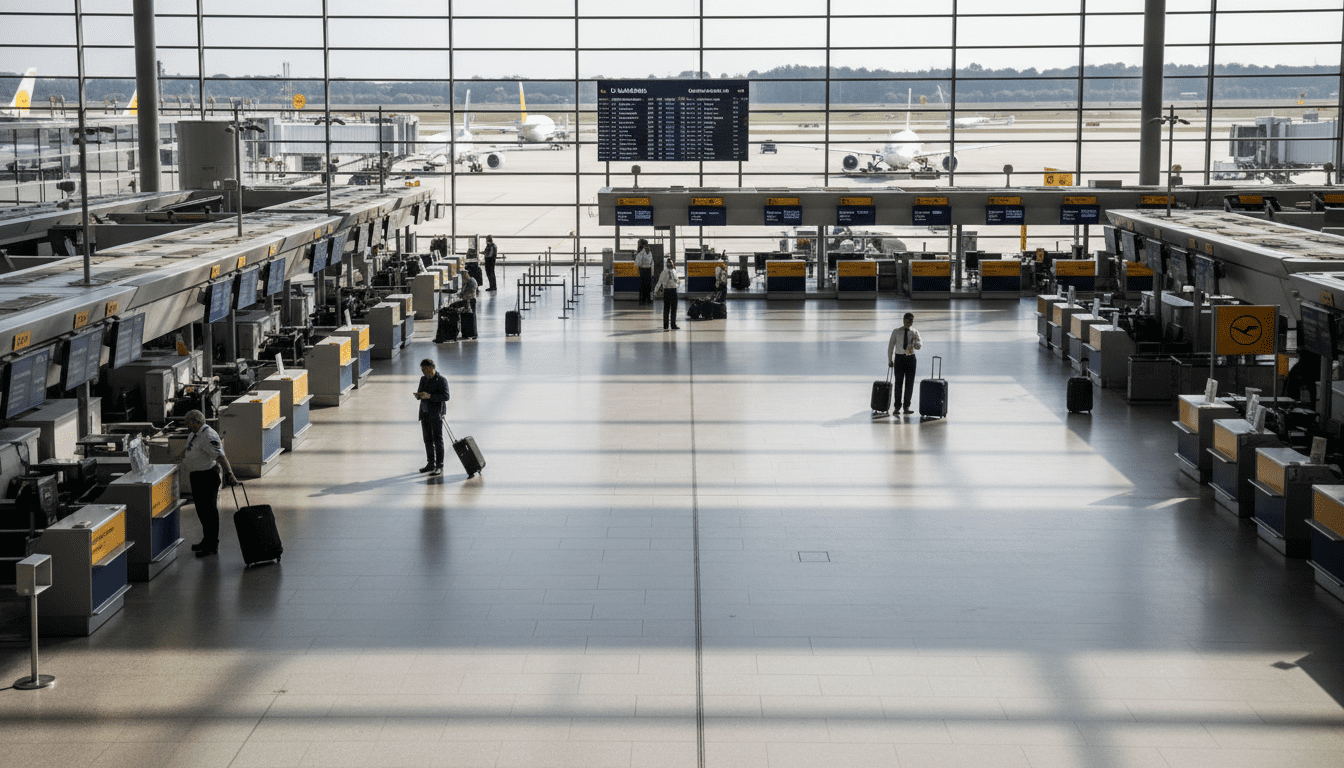
Frankfurt Airport sees sharp April decline after six Lufthansa strike days
Frankfurt Airport passenger traffic fell sharply in April 2026 after six Lufthansa strike days, Fraport reported 4.8 million travelers, an 11% drop year-on-year.
Lead: April slump at Frankfurt Airport
Frankfurt Airport registered markedly lower passenger volumes in April 2026, driven largely by six strike days at Lufthansa that disrupted schedules and reduced capacity. Fraport reported about 4.8 million passengers for the month, roughly half a million fewer travelers than in April last year. The airport operator released the figures on May 15, 2026, attributing the decline to industrial action and calendar effects.
Lufthansa strikes and operational disruption
Multiple work stoppages by pilots and cabin crew at Lufthansa led to widespread cancellations and capacity cuts during April. The industrial action affected not only scheduled passenger services but also connections and onward traffic flows through the hub. Airlines reduced offered seats, and many travelers faced rebookings and delays as carriers adjusted networks to the strike timetable.
The strikes also included action affecting Lufthansa Cargo staff, compounding logistical problems at the airport. With crews unavailable for certain services, airlines prioritized key routes and markets, which altered the mix of flights operating through Frankfurt. Airport throughput and passenger transfers were therefore below typical seasonal levels.
Fraport’s traffic numbers and movement decline
The airport operator recorded about 4.8 million passengers in April, an 11 percent decrease compared with the same month a year earlier. Flight movements fell in parallel: starts and landings totaled 34,623, down 11.6 percent year-on-year. Those declines reflect both cancelled services and lower scheduled frequency by carriers operating at the hub.
Fraport highlighted that the reduction in passenger numbers translated into lower utilization of terminal and support infrastructure during the month. The operator’s monthly snapshot shows the combined effect of fewer flights and reduced load factors on the airport’s throughput metrics for April 2026.
Cargo volumes squeezed by missing belly capacity
Freight throughput at Frankfurt Airport also eased, with cargo volume down about 0.6 percent to 168,526 tonnes in April. A principal cause was the loss of belly cargo capacity on passenger aircraft, as fewer passenger flights meant less space for freight transported in passenger holds. The situation was exacerbated by strikes that directly affected dedicated cargo operations.
Lufthansa Cargo, which relies on both freighters and belly capacity from passenger routes, experienced operational interruptions tied to crew action. The reduced availability of combined passenger-cargo lift constrained time-sensitive shipments and forced some customers to seek alternative logistics routes during the month.
Calendar effects: Easter timing and seasonal shifts
Analysts and airport officials noted that the timing of the Easter holidays in 2026 magnified the April decline, because the holiday period fell partly in May rather than fully in April as it had in the prior year. That calendar shift meant fewer leisure and holiday travelers were recorded in April 2026 compared with April 2025, when Easter travel boosted numbers.
The combination of calendar effects and strike-related cancellations produced a larger year-on-year reduction than either factor would have caused alone. Airport planners warned that such timing and labor disruptions can produce volatility in monthly comparisons and complicate short-term capacity planning.
Passenger experience and industry outlook
Travelers affected by cancellations reported lengthy rebooking processes and delays in reaching final destinations, particularly on routes where Lufthansa is the dominant carrier. The strikes also put pressure on customer-service desks and partner airlines that absorbed diverted demand. Industry groups said they were watching whether further industrial action or timetable adjustments would extend disruption into May.
Looking ahead, airlines and Fraport will monitor May traffic for signs of recovery as strike activity wanes and as the late Easter travel period is fully captured in monthly statistics. Negotiations between Lufthansa and staff representatives could determine how quickly service levels return to pre-strike patterns and how the hub manages residual backlogs.
The April figures underline the sensitivity of hub airports to labor disputes and calendar shifts, with both passenger flows and cargo volumes reflecting the operational consequences of concentrated strike days.
