
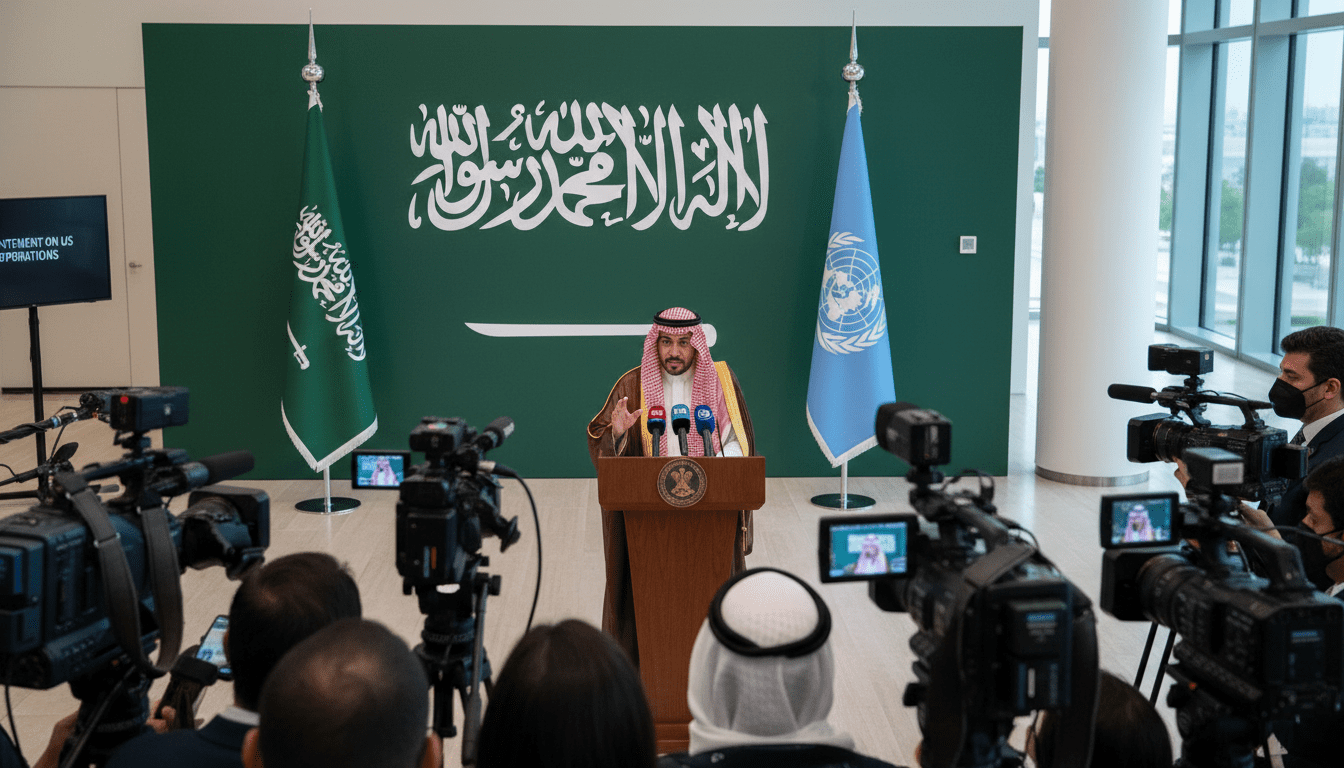
Saudi source rejects NBC claim that Trump paused operation in the Strait of Hormuz
Saudi officials deny NBC claim President Trump paused a US operation to protect shipping through the Strait of Hormuz after Riyadh reportedly refused base access
President Donald Trump did not pause a US military operation to escort ships through the Strait of Hormuz following an intervention by Saudi Arabia, a Saudi source told AFP, disputing a report published by NBC News. The NBC account said Crown Prince Mohammed bin Salman spoke directly with Mr Trump and that Riyadh declined to allow US forces to use Saudi airspace and bases for the operation. The Saudi source described that portrayal as inaccurate and said the United States continues to have regular access to Saudi facilities.
Saudi source disputes NBC account
A source close to the Saudi government told AFP that the NBC report was incorrect and that claims of a suspended operation were unfounded. The source emphasized that routine arrangements for US access to Saudi bases and airspace remain in effect. The denial aims to directly counter media reports linking a Saudi directive to an abrupt change in US military planning.
The NBC report attributed the account of a presidential pause to unnamed US sources and described a behind the scenes conversation between the Saudi crown prince and President Trump. Saudi officials have pushed back on that narrative, saying it misrepresents both Saudi policy and the alliance level of coordination between Riyadh and Washington.
United States access to Saudi bases remains intact
Saudi officials told AFP that US forces retain their customary use of Saudi airspace and bases, a claim that underscores the long standing military relationship between the two countries. The source said there has been no formal restriction placed on US military operations that would prevent support for maritime security efforts. Washington and Riyadh have maintained defense cooperation for decades and both sides routinely coordinate on regional security matters.
Analysts say routine access does not preclude occasional operational disagreements or temporary logistical constraints, but the Saudi statement suggests there was no directive to block use of facilities in the instance described by NBC. The response appears intended to reassure both regional partners and global markets that established defense logistics channels remain open.
NBC report described direct call between crown prince and president
NBC reported that Crown Prince Mohammed bin Salman spoke directly with President Trump as US officials weighed options for guiding vessels through the Strait of Hormuz. The network said that conversation followed concerns raised about the safety of maritime traffic in the critical waterway. NBC cited anonymous US officials for its account and described a subsequent pause in an operation while plans were reassessed.
The Saudi denial did not directly address the reported phone call but rejected the claim that Riyadh had refused access to facilitate the operation. Media accounts that rely on unnamed sources often produce competing narratives in high stakes diplomatic situations, and the discrepancy between reports highlights the challenges of verifying sensitive military and political communications.
Why the Strait of Hormuz operation matters
The Strait of Hormuz is one of the world most important maritime chokepoints, and any military operation intended to protect commercial shipping through it draws international attention. A significant proportion of global oil shipments transit the strait, and disruptions can have swift effects on energy markets and supply chains. For that reason, statements about operations in the area are closely scrutinized by governments and traders alike.
Efforts to escort or protect vessels in the strait typically involve multiple partners and complex coordination to avoid escalation with regional adversaries. When reports surface of changes in posture or access to facilities, countries and markets seek immediate clarification, which helps explain the rapid pushback from Saudi sources in this case.
Regional diplomatic ripple effects
Even a disputed report can produce diplomatic reverberations across the Gulf and beyond, stoking concerns among allies and rivals about the reliability of basing arrangements and tactical coordination. Analysts say such confusion can prompt additional diplomatic outreach to reassure partners and to clarify rules of engagement for naval and air forces operating in shared theaters. For Riyadh the swift rebuttal may be as much about preserving regional standing as it is about correcting the record.
Officials in Washington often prefer to avoid publicly disputing media accounts while internal reviews are under way, but partner governments may issue denials to prevent misperceptions from hardening into operational constraints. The competing narratives here underscore the fragility of strategic messaging in a tense maritime environment.
The Saudi source statement to AFP frames the matter as a media inaccuracy rather than a breakdown in military cooperation and seeks to reaffirm routine logistics and access for US forces in the region.
