
Kenya floods kill 18 as landslides and urban deluge disrupt central and eastern counties
Heavy rains have triggered deadly landslides and widespread flooding in Kenya, killing at least 18 people and inundating streets during the seasonal March–May rains.
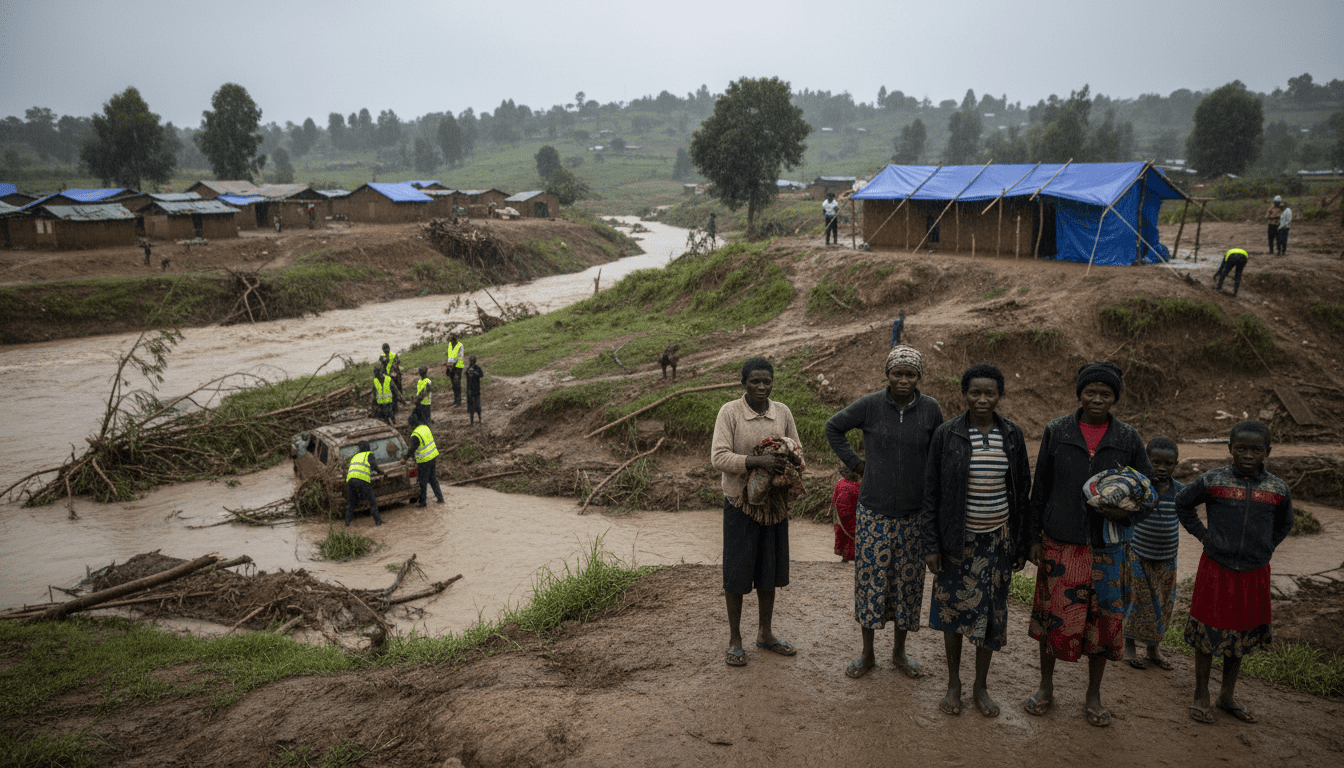
At least 18 people have died after intense rainfall caused landslides and flash floods across several central and eastern counties in Kenya, authorities said on Sunday. Emergency responders reported incidents in Tharaka Nithi, Elgeyo-Marakwet and Kiambu counties, while urban flooding swamped parts of the capital, Nairobi. Local officials urged residents in vulnerable areas to take precautions as the seasonal rains continue to peak in early May. The disaster compounds a series of recent flood events that have strained local services and displaced families.
Fatal Landslides Reported in Multiple Counties
Police and local disaster teams confirmed landslides in Tharaka Nithi, Elgeyo-Marakwet and Kiambu, where saturated slopes gave way after sustained downpours. Search-and-rescue operations were underway as crews worked to reach affected settlements and account for missing residents. Authorities warned that mudslides had damaged homes and cut access to some communities, complicating relief efforts. The tally of 18 fatalities reflects confirmed deaths to date; officials have cautioned that figures may rise as assessments continue.
Nairobi Roads Flooded, Traders Stage Protests
Nairobi saw heavy surface flooding in several neighborhoods as drainage systems were overwhelmed by runoff, leaving streets ankle- to waist-deep in places. Visual reports and local media showed motorists and pedestrians navigating submerged roads, while businesses in areas such as Makongeni and Ruai reported disruptions. Traders staged protests, citing the poor condition of roads and the economic toll from repeated waterlogging and reduced customer access. City authorities face mounting pressure to accelerate repairs and bolster urban drainage ahead of further rainfall.
Displacement and Damage to Homes and Infrastructure
Emergency responders said mudslides and floodwaters have displaced multiple households, though a precise count of those uprooted remains unclear. Damage to housing stock, local roads and other infrastructure has been reported across the hardest-hit counties, with debris and silt blocking access routes. Shelter teams and local administrations are coordinating temporary accommodation and basic supplies for affected families. Recovery needs will include clearing roads, repairing utilities and restoring damaged farmland to support livelihoods.
Health Concerns and Crop Losses Raised by Authorities
Public health officials warned that standing water and disrupted sanitation systems increase the risk of waterborne diseases, a concern amplified by the continued rainfall. Weather services previously cautioned that the rains could lead to outbreaks unless communities take preventive measures such as treating drinking water and avoiding flood-contaminated areas. Agricultural damage is also expected, with reports indicating potential losses to crops and pasture across several regions. Authorities have advised farmers to document losses and seek support from county-level agricultural offices.
Pattern of Intensifying Rains and Climate Warnings
This episode follows a deadly round of flooding in March that claimed at least 37 lives in parts of Nairobi, underscoring a troubling pattern this season. Kenya is in its main March–May rainy period, which typically peaks in the first half of May and can bring intense downpours across the country. Climate experts have long cautioned that human-driven climate change is amplifying the severity and unpredictability of such events in East Africa. United Nations Environment Programme officials recently highlighted how African cities face growing water extremes—both intense rainfall and prolonged dry spells—that demand rapid adaptation of infrastructure and planning.
Calls for Preparedness and Longer-Term Resilience
County governments and emergency agencies are urging residents in low-lying and slope-prone zones to relocate until waters recede and to follow official guidance on evacuation routes and shelter locations. Humanitarian actors have begun assessments to map needs for food, shelter and medical assistance, while local authorities assess damage to critical infrastructure. Urban planners and development partners say the recurrent flooding illustrates the need for sustained investment in drainage, slope stabilization and early warning systems. Experts stress that short-term relief must be paired with long-term resilience measures to reduce future loss of life and property.
Recovery and assistance efforts are expected to continue as teams clear debris and restore access, with authorities under pressure to update contingency plans ahead of the peak of the rains. The coming days will be critical for affected communities as weather forecasts predict continued instability during the seasonal period.
