
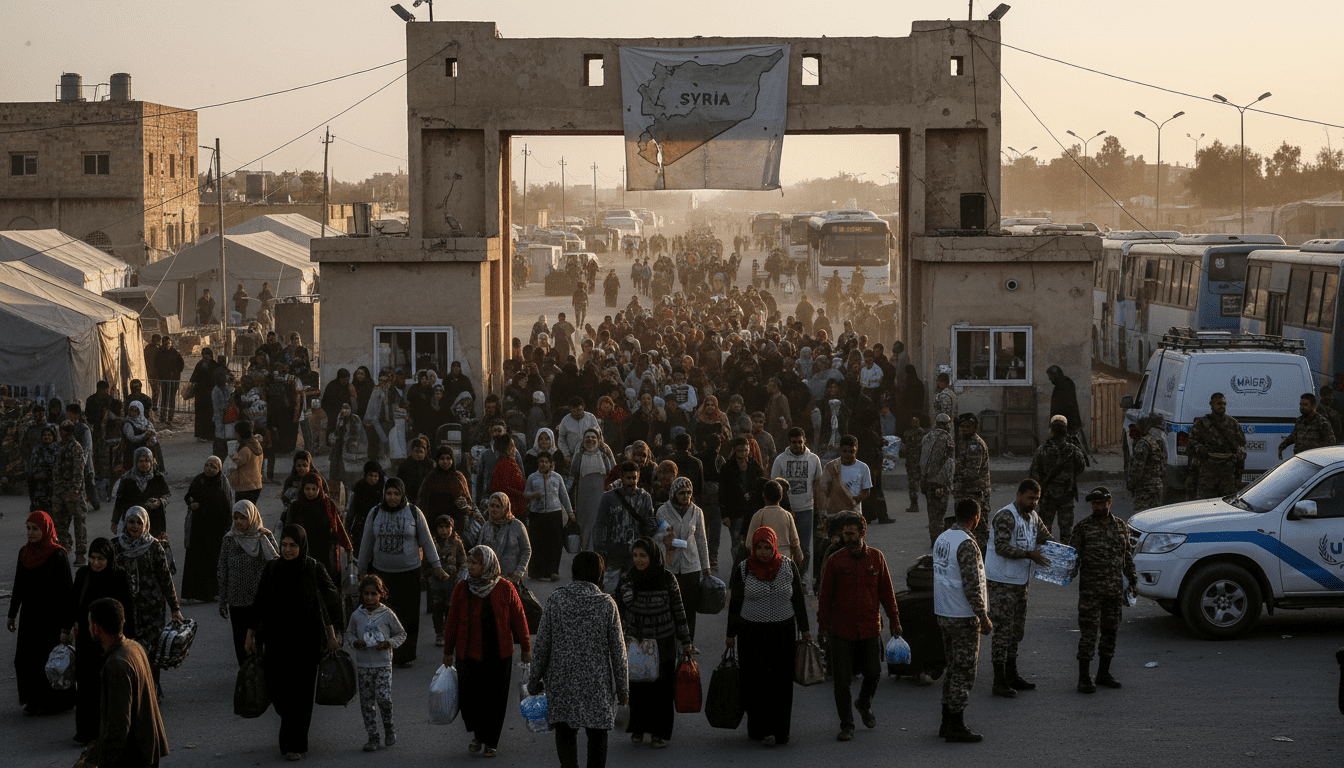
Syrian returnees surge: UNHCR records 1.63 million back in country since December 2024 upheaval
UNHCR says 1.63 million Syrian returnees have gone back since December 2024; nearly 640,000 returned from Turkey by April 30, 2026. (155 characters)
Since the December 2024 power shift in Syria, UNHCR data show about 1.63 million Syrian returnees have returned home, a development reshaping displacement patterns across the region. The UN agency reported that as of April 30, 2026, nearly 640,000 people returned from Turkey, roughly 630,000 from Lebanon and about 285,000 from Jordan. This mass movement has prompted fresh debate in Europe and among humanitarian organizations over voluntariness, protection status and reintegration support for those going back.
UNHCR breakdown of returns to Syria
The UN refugee agency’s tallies through April 30, 2026, attribute the largest shares of returnees to neighbouring states that hosted millions during the conflict. Turkey was the single biggest source of returnees, with almost 640,000 people recorded as having gone back. Lebanon and Jordan accounted for roughly 630,000 and 285,000 returns respectively, while smaller numbers have returned from other countries.
Germany and other European contributions
In UNHCR reporting, Germany is grouped among “other countries” that together account for about 6,100 returnees, rather than being listed separately. German federal statistics reported by the Federal Office for Migration and Refugees (Bamf) in February 2026 indicate that 3,678 Syrian refugees voluntarily returned from Germany in the previous year. At the same time, more than 900,000 people of Syrian origin remain living in Germany, keeping the issue a domestic political and social concern.
Impact of Syria’s December 2024 political change
The spike in returns followed the overthrow of long-time Syrian leader Bashar al‑Assad by the Islamist militia Hayat Tahrir al‑Sham (HTS) in December 2024. HTS leader Ahmed al‑Scharaa has since served as a transitional president and has signalled an interest in improving ties with Western states. Those developments, alongside local changes in security and governance, have been cited by some governments as evidence that the protection needs of certain refugees may have diminished.
Legal checks and protection status reviews in Germany
German authorities say they are not conducting automatic revocation of refugee protections for Syrians, but they retain legal mechanisms to reassess status in specific circumstances. The Bamf can open Widerrufsverfahren—revocation procedures—when there are violations such as unauthorised trips to Syria or criminal offences, and only when changes in the country are deemed substantial and lasting. Officials have emphasised that broader, systemic reviews require clear evidence that conditions have permanently improved before protection grounds are withdrawn.
UNHCR’s stance on voluntariness and safety
The UN Refugee Agency has stressed that returns must be voluntary, safe and dignified, and it continues to urge patience until conditions on the ground permit sustainable reintegration. UNHCR spokespeople in Geneva have reiterated that decisions to return should be made freely by those affected, and that support and monitoring are essential to prevent coerced or premature departures. Humanitarian groups warn that rapid returns without adequate housing, services and security guarantees can create new vulnerabilities for returnees.
Political debate in Germany over temporary visits and reintegration aid
German political parties including the SPD, Greens and The Left have recently advocated allowing time-limited visits to Syria so refugees can evaluate prospects for permanent return. Under current law, travellers risk losing their protection status if they visit their country of origin, which has made such visits legally and emotionally fraught. Policymakers have also discussed boosting financial assistance to support reintegration; the existing one‑off start‑up grant for returnees is currently capped at around €1,000 per adult.
The evolving pattern of Syrian returnees raises complex challenges for host countries, humanitarian agencies and communities in Syria alike. Ensuring that returns remain voluntary and that returnees have access to basic services and safety will determine whether these movements become a sustainable step toward recovery or a source of renewed displacement. Continued monitoring, targeted assistance and cautious policy calibration will be crucial as conditions in Syria and host countries evolve.
