
Solar installations in Germany fall 6% in Q1 as rooftop projects slump
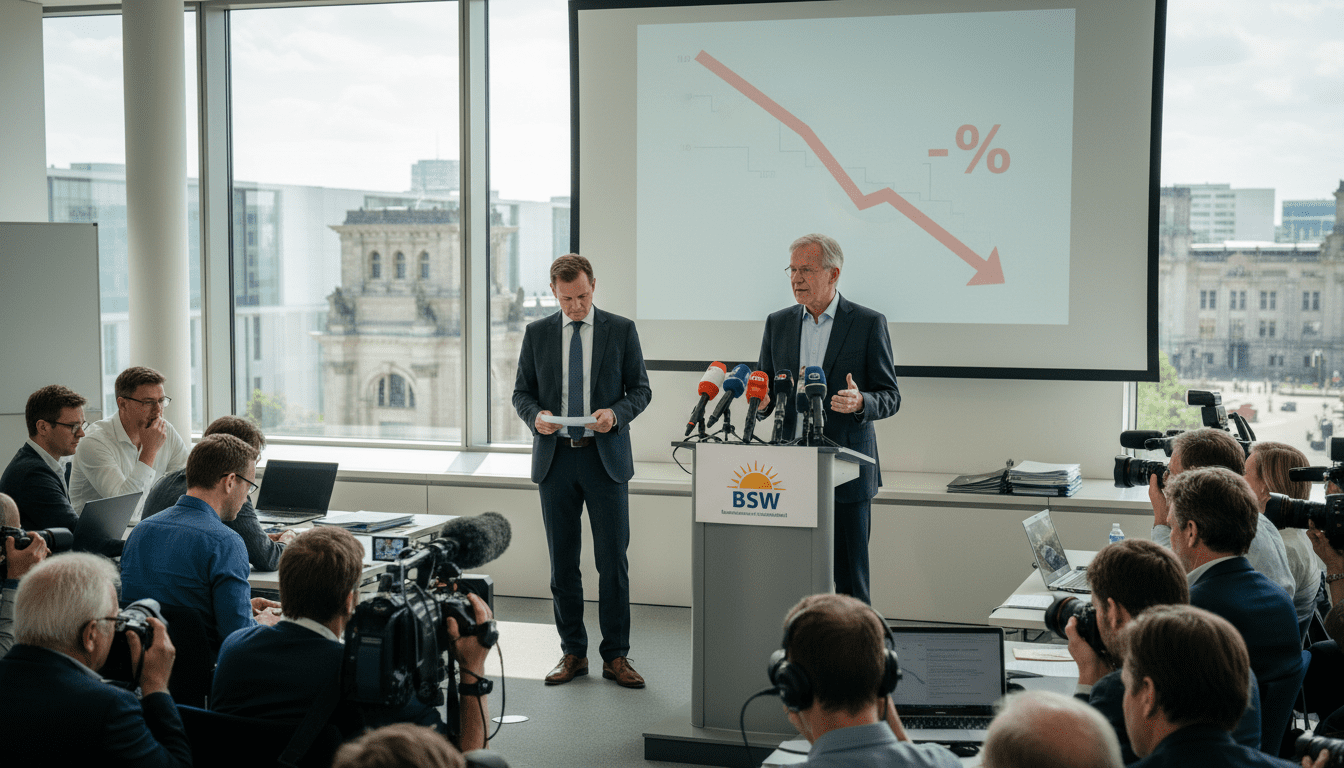
Solar installations in Germany fell 6% in Q1 to 3.5 GW, with rooftop capacity dropping sharply while ground-mounted farms expanded, prompting industry concern.
Germany’s solar installations declined year‑on‑year in the first quarter, according to calculations by the industry association BSW‑Solar based on Bundesnetzagentur data. Total newly installed maximum capacity reached roughly 3.5 gigawatts, down about six percent from the same period a year earlier, reflecting a mixed picture across market segments. The drop was driven largely by falling rooftop additions, while large ground‑mounted projects recorded notable gains that cushioned the overall fall.
Quarterly figures show overall decline
The BSW‑Solar analysis indicates the market cooled after a period of rapid expansion, with aggregate new capacity lower than in Q1 last year. At roughly 3.5 GW of added maximum output, the contraction is modest in percentage terms but significant for a sector trying to accelerate the energy transition.
Industry analysts say the headline decline masks divergent trends within the market, where a small number of very large projects can offset weakness in many smaller installations. That imbalance makes short‑term totals sensitive to project pipelines and policy signals.
Rooftop installations slump across residential and commercial segments
Residential rooftop installations were hit hardest, with newly added household capacity falling by about 21% to roughly 0.85 GW. That slump suggests a slowdown in private investment and a cooling of the small‑scale market that had previously been a key driver of distributed solar growth.
Commercial and industrial rooftop builds contracted even more sharply, with larger rooftop systems down around 33% to approximately 0.6 GW. Companies and property owners have cited regulatory uncertainty and changes to subsidy structures among factors weighing on investment decisions.
Small balcony systems see slower growth but remain in demand
The market for small plug‑in “balcony” solar systems also cooled, with additions down about 6% to near 0.09 GW in the quarter. These low‑cost, easy‑to‑install units helped broaden consumer participation in recent years, but their growth is now moderating.
While smaller in absolute terms, the segment’s slowdown is noteworthy because it reflects softer demand at the grassroots level and the end‑user sensitivity to incentives and electricity price signals.
Ground-mounted projects drive capacity gains
In contrast to rooftop weakness, ground‑mounted solar farms posted a strong quarter. New maximum capacity in the utility‑scale segment rose by roughly 20% to about 1.97 GW, marking the largest single contributor to new installations. These projects typically require longer planning and permitting timelines but deliver large capacity in single additions.
The rise in ground‑mounted capacity partly offsets declines elsewhere but also underscores how project scale influences headline numbers. Analysts warn that relying on fewer large projects creates vulnerability if permitting or grid‑connection bottlenecks emerge.
Industry warns of funding cuts and calls for stable investment conditions
BSW‑Solar cautioned that reductions in support or ambiguous policy signals could further squeeze deployment. The association has flagged the risk that cuts in incentive programs would depress demand and slow the pace of new installations at a critical time for Germany’s energy strategy.
BSW‑Solar’s leadership also noted that recent energy price pressures may prompt short‑term upticks in interest, but said such bursts of demand do not substitute for reliable, long‑term investment frameworks. The association urged policymakers to maintain clear and stable conditions to keep private capital flowing into solar and storage.
Policy and market outlook amid energy price pressures
The resurgence of energy‑price volatility has renewed public debate about accelerating renewables and battery storage to reduce import dependence. Industry representatives argue that a faster build‑out of solar and storage would improve resilience and dampen household energy bills over time.
Policymakers now face a balancing act: designing measures that support sustained growth without creating unsustainable fiscal burdens, while also tackling permitting delays and grid capacity constraints that can stall project delivery. How those trade‑offs are resolved will shape solar deployment through the rest of the year.
As Germany seeks to meet its climate and security goals, the solar sector’s mixed first‑quarter performance highlights the need for consistent policy, streamlined approval processes and targeted measures to keep both small‑scale and large projects progressing.
