
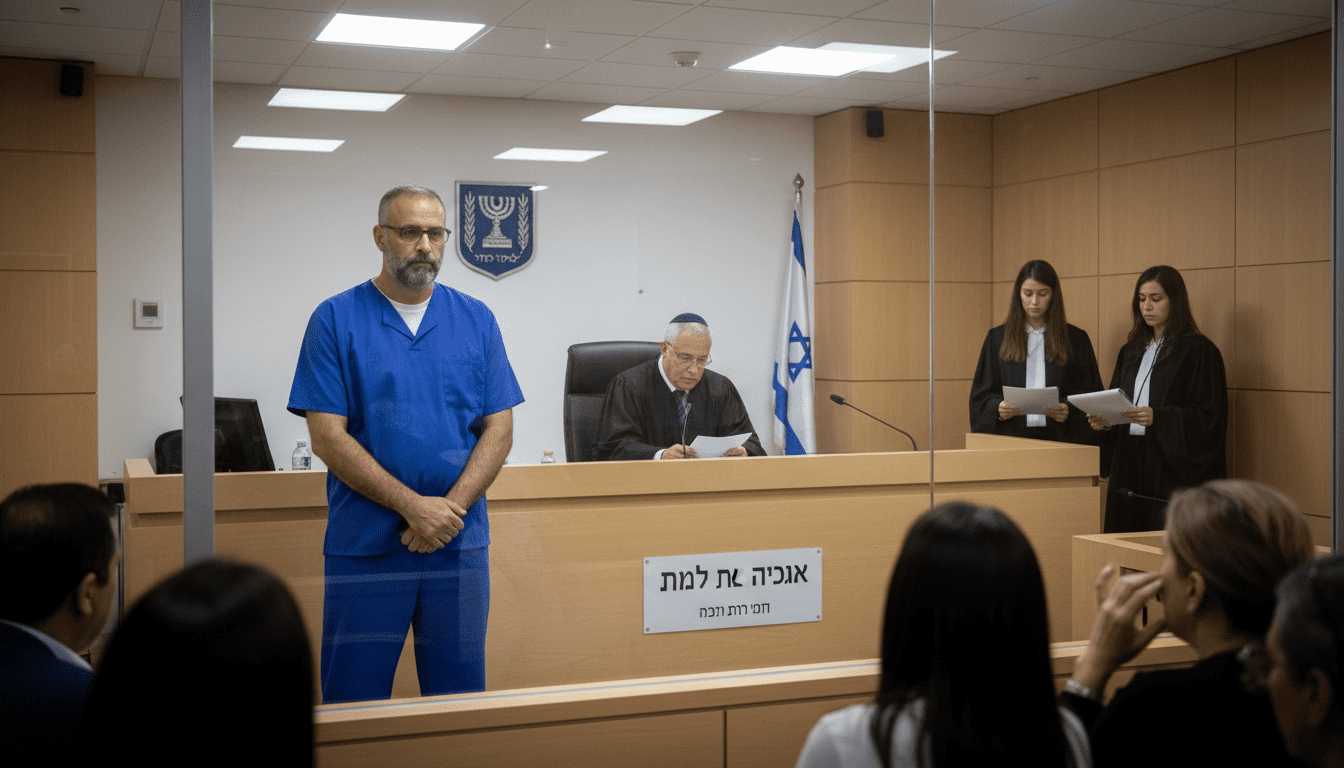
Beersheba Court Approves Continued Detention of Dr Hussam Abu Safiya
Israeli court upholds detention of Dr Hussam Abu Safiya, director of Gaza’s Kamal Adwan Hospital, under the Unlawful Combatants Law, amid claims of harsh conditions and denied medical care.
Dr Hussam Abu Safiya, the director of Kamal Adwan Hospital in Gaza, will remain detained after the Beersheba District Court rejected a petition for his release, continuing the detention of the physician under Israel’s Unlawful Combatants Law. The detention of Dr Hussam Abu Safiya was contested by rights groups, which say he is being held without formal charges and is denied appropriate medical attention.
Court Upholds Detention Under Unlawful Combatants Law
The Beersheba District Court ruled that existing legal grounds under the Unlawful Combatants Law justify the continued confinement of Dr Hussam Abu Safiya. Court documents and reports cited by advocacy organizations indicate the decision followed a state submission asserting security concerns that, according to the judges, outweighed arguments for release.
Legal representatives for Dr Abu Safiya had requested his release pending further proceedings, arguing for humane treatment and the absence of criminal charges. The court nevertheless maintained that the statutory framework permits detention in the circumstances presented by the prosecution.
Human Rights Group Reports Harsh Conditions
Physicians for Human Rights, an Israeli non-governmental organisation, issued public statements asserting that Dr Abu Safiya has been held in harsh conditions and denied access to medical care. The group said it raised concerns about his health needs and called for immediate medical assessment and better detention conditions.
Representatives of the organisation described communications with Dr Abu Safiya’s family and legal counsel, asserting that restrictions on visits and consultations have impeded independent medical evaluation. Officials from the detention authority and state prosecutors, however, characterized conditions as compliant with regulations while limiting details on operational security grounds.
Arguments Presented by Defense and Prosecution
Defense lawyers argued that Dr Abu Safiya, who runs Kamal Adwan Hospital in Gaza, is a medical professional whose detention without charge undermines principles of due process and places his health at risk. They emphasized his role in providing emergency and hospital services and called for either formal charges or his immediate release.
Prosecutors relied on the Unlawful Combatants Law as the legal basis for continued detention, pointing to national security considerations and claimed intelligence material. The court’s decision suggests judges found the prosecution’s assertions sufficient to keep the detention in place while allowing classified evidence to inform the ruling.
Implications for Gaza’s Medical Leadership
Kamal Adwan Hospital, which Dr Abu Safiya directs, serves a significant population in northern Gaza and has been described by health organisations as a key facility for trauma and emergency care. The continued detention of its director raises concerns about hospital administration, staff leadership, and the coordination of medical services under sustained conflict conditions.
Colleagues and international health advocates have warned that disruption in senior medical leadership can have knock-on effects on service delivery, supply management, and staff morale. Hospital staff have faced intense pressure from infrastructure damage, patient surges, and shortages of equipment in recent months.
Reactions from Medical and International Bodies
International medical organisations and rights groups have urged transparency and adherence to humanitarian norms in cases involving healthcare personnel. Statements demanding medical access and clarity on legal status often reference obligations under international humanitarian law to protect medical workers and ensure their care when detained.
Responses from governmental and diplomatic channels have been measured, with some states calling for consular or third-party monitoring while others have deferred to domestic judicial processes. The situation has drawn attention from non-governmental organisations that track detention conditions and legal protections for health professionals in conflict zones.
Next Legal Steps and Possible Appeals
With the Beersheba District Court upholding the detention, Dr Abu Safiya’s legal team may pursue an appeal to higher courts, seeking review of the application of the Unlawful Combatants Law and the evidence cited by prosecutors. Appeal procedures can include requests for remand review, presentation of additional medical evidence, or petitions to override detention on humanitarian grounds.
Legal advocates note that appeals in such cases can be prolonged, particularly when judges rely on classified or sensitive information that limits full public disclosure. Observers say expedited medical evaluations and independent oversight mechanisms would be crucial to resolve disputes about health and treatment while legal proceedings continue.
The continued detention of Dr Hussam Abu Safiya highlights tensions between national security measures and protections for medical professionals in conflict settings, and it underscores persistent concerns about due process, detainee health, and the operational impact on Gaza’s healthcare infrastructure.
