
German Government Conducts New Afghan Deportations on Freebird Charter
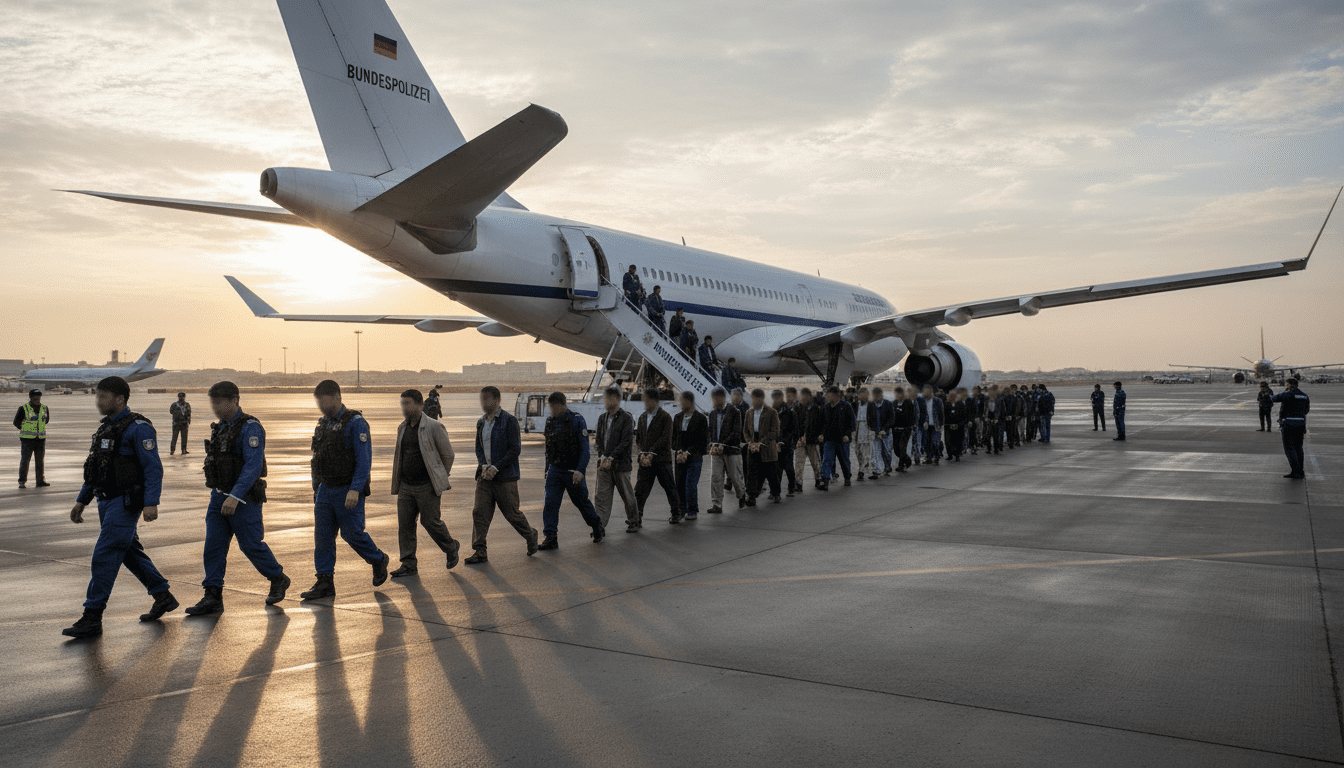
Germany deported about 25 Afghan men on April 28, 2026, under a chartered Freebird flight, continuing a series of Afghan deportations from Germany after prison transfers.
Deportation Flight and Numbers
The German federal government carried out a deportation flight in the early hours of Tuesday, April 28, 2026, that left Halle/Leipzig airport bound for Afghanistan. Authorities said approximately 25 Afghan men were on board the charter operated by Freebird Airlines.
Officials reported that the group consisted entirely of adult males and that the operation was coordinated across several federal states. The government described the flight as part of routine enforcement of deportation orders.
Prison Transfers and Criminal Allegations
Most of those deported were moved directly from correctional facilities to the airport, according to officials. They had been serving sentences in various states for a range of offenses, authorities said.
Reported allegations against the deportees included theft, handling stolen goods, drug trafficking, group sexual assault, manslaughter, hostage-taking, extortionate abduction and politically motivated crimes. Officials stressed that deportation followed completion of custodial sentences or final decisions on removal.
Airline and Route Details
The aircraft used for the operation was a chartered Freebird flight that departed from Leipzig/Halle in the night preceding April 28. Airport sources confirmed the use of a charter rather than a scheduled commercial service to carry out the removals.
German authorities routinely use charter flights for group deportations to destinations where regular connections are limited or where coordinated removal is deemed necessary for security or logistical reasons.
Legal Framework and Government Position
Federal authorities said the removals were executed under existing immigration and deportation statutes and followed legal procedures for persons subject to removal. Interior ministry spokespeople emphasized that deportations are carried out after judicial review, exhaustion of appeals or the completion of custodial sentences.
Government representatives framed the action as enforcement of law and order and as necessary to maintain public safety, citing the criminal allegations associated with those removed.
Reactions from Rights Groups and Opposition Figures
Human rights organizations and some opposition politicians have historically raised concerns about the safety and human rights situation for returnees to Afghanistan. Critics argue that deportations to Afghanistan can expose individuals to serious risks given the country’s instability.
Civil liberties advocates typically call for individual risk assessments and greater transparency around return procedures, including consular coordination and access to legal remedies before removals are finalised.
Implications for Migration Policy Debate
The deportation reignites debate in Germany over the balance between immigration control and humanitarian obligations, an issue that has been politically charged in recent years. Parties on different sides of the spectrum use such cases to press for either stricter enforcement or stronger protections for asylum seekers and returnees.
Legal experts say that cases involving criminal convictions often prompt governments to prioritise removals, but observers note that diplomatic conditions and the security situation in destination countries can complicate decisions and public perception.
The deportation operation on April 28 underscores continuing tensions between domestic security considerations and international human rights concerns as Berlin manages migration policy and returns to conflict-affected regions.
