
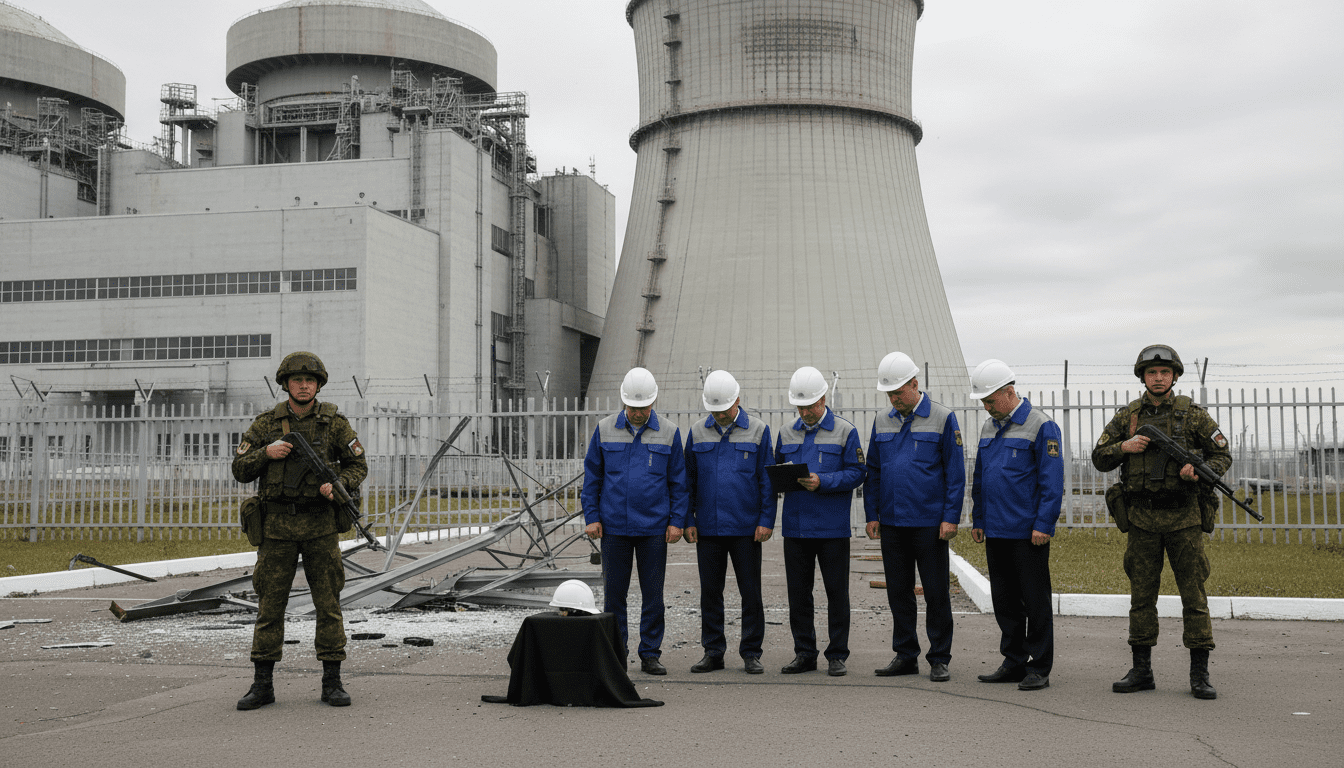
Zaporizhzhia nuclear plant attack kills worker as drone strikes hit Odesa and wider region
Ukrainian drone strike on the Russian-held Zaporizhzhia nuclear plant killed a worker; Russian attacks on Odesa injured civilians and damaged infrastructure.
A worker at the Russian-held Zaporizhzhia nuclear power plant was killed after a drone strike hit the facility’s transport department, plant managers installed by Russia said, while separate Russian drone attacks struck the southern port city of Odesa, injuring civilians and damaging civilian infrastructure. The incident at the Zaporizhzhia nuclear plant, which has been under Russian control and is currently shut down, has renewed international concern about the safety of nuclear facilities in active combat zones. Ukrainian and regional officials reported dozens of additional strikes across the Zaporizhzhia region and border areas, with emergency services responding to casualties and property damage.
Worker killed at Russian-held Zaporizhzhia plant
Plant managers installed by Russian authorities said a driver employed at the Zaporizhzhia nuclear plant died when a Ukrainian Armed Forces drone struck the facility’s transport department. The plant remains under Russian control and has not been operating since its capture, the statement said, underscoring the sensitivities around any attack near nuclear infrastructure. Officials did not provide further details on whether the strike caused damage to reactor systems, but the death of a staff member prompted immediate local emergency and security responses.
Odesa struck by Russian drones, civilians wounded
Ukrainian officials reported that Russian drone strikes again hit Odesa, injuring at least 11 people, including two children, and damaging homes and public amenities across three districts. Odesa Governor Oleh Kiper said residential buildings, vehicles and civilian facilities were struck, listing a hotel, warehouses and the city’s funicular railway among damaged sites. Windows were shattered across many buildings and parts of the port area sustained damage, according to his office, and emergency services have been working to assist the wounded and assess structural safety.
Regional casualties and widespread strikes reported
Regional governor Ivan Fedorov said Russian forces conducted hundreds of strikes across the Zaporizhzhia region in a single day, with officials reporting 629 attacks across 45 settlements and at least 50 instances of damage to homes and infrastructure. Fedorov also reported a separate death in the region, saying a 59-year-old man was killed in an enemy attack. Russian authorities, meanwhile, reported Ukrainian drone strikes inside the Belgorod border region that they say killed at least one person and injured others, illustrating how violence continues on multiple frontlines.
Statements from plant operators and investigators
The Russia-installed plant management’s statement specifying a transport-department strike has been circulated by local officials and media, and said the victim was killed at the plant site. Ukrainian authorities and international monitoring bodies have not publicly confirmed independent details of the strike, and both sides have tended to provide differing accounts of operations near the plant. Local law enforcement agencies said they are documenting what they described as war crimes in the Odesa region, while emergency teams continue to secure affected sites and collect evidence.
Diplomatic context and stalled negotiations
The new round of strikes coincides with limited diplomatic activity aimed at reducing tensions, but officials described progress as tentative. U.S. political figures reported contacts with both Russian and Ukrainian leaders, and Ukraine’s president signed security and energy cooperation pacts during a visit to Baku, where officials said the possibility of future talks was discussed. Despite those moves, diplomatic sources and regional leaders described negotiations as stalled, even as civilians continue to bear the brunt of renewed attacks.
Safety concerns and international monitoring
The presence of military activity near a major nuclear facility has drawn concern from international observers and nuclear safety advocates, who warn that any military action in such areas elevates the risk of catastrophic consequences. The Zaporizhzhia plant’s shutdown status reduces some immediate operational risk, but experts say physical damage to support infrastructure and staff losses can still undermine safety. International agencies and third-party monitors have repeatedly called for measures to protect nuclear sites, and the latest incident is likely to prompt renewed calls for unhindered inspections and safeguards.
The situation remains fluid, with emergency services and investigators continuing to work at multiple sites across the region while authorities on both sides issue competing accounts of responsibility and casualties.
