
Roland Berger warns German milk industry faces ‘historic change’ as prices slump and consolidation accelerates
Roland Berger warns of a historic shift in the German milk industry as prices fall, farms close and mergers like Arla-DMK reshape supply and competition.
The German milk industry is confronting what consultancy Roland Berger calls a “historic change” as producer prices slump, farm numbers shrink and processing firms consolidate. Producer milk prices fell sharply in early 2026, while output rose and trade patterns left farmers exposed to volatile global markets. Policy makers, processors and producers now face near-term business pressures and longer-term structural choices.
Producer prices plunged in the first quarter of 2026
Average farmgate prices fell to 49.1 cents per kilogram of milk in Q1 2026, down from 61.5 cents a year earlier, according to market data cited by industry analysts. The decline follows an oversupply trend: production rose by about six percent since autumn 2025, and roughly half of Germany’s milk is sold abroad, leaving domestic producers susceptible to world-market swings. At the same time, farmers are contending with elevated feed and energy costs, compressing margins further.
Smaller farms exit while remaining herds grow
The structural impact of sustained price pressure has been dramatic at the farm level. Data from the Thünen Institute show the number of dairy farms fell from some 94,000 in 2010 to about 50,000 in 2024, a decline of more than 55 percent over 13 years. Despite fewer holdings, total milk volumes have remained relatively stable because remaining farms expanded herd sizes and output per cow. That consolidation reshapes rural economies and concentrates production on larger, industrialized units.
Mergers and market power shift processing landscape
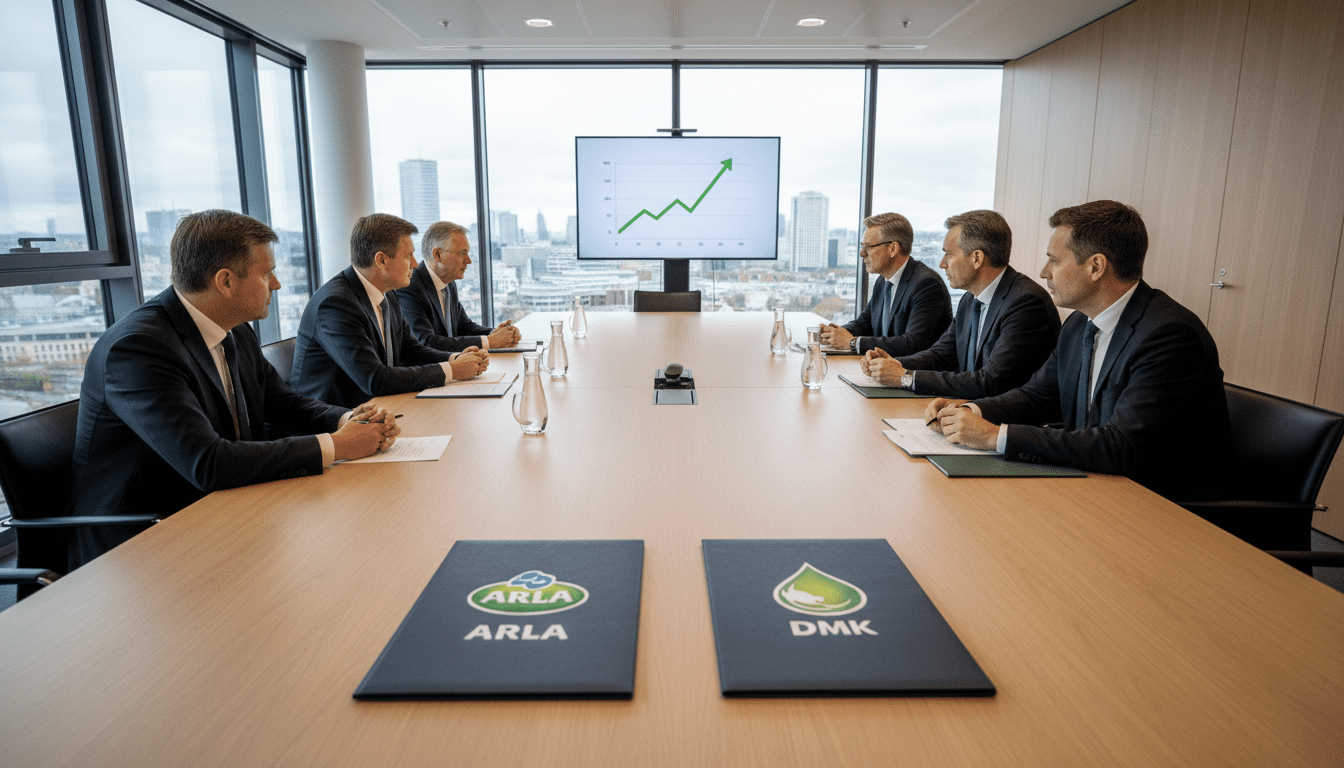
On the processing side, the number of dairies has also decreased markedly since 2000, and Roland Berger expects further rationalization: the consultancy projects dairies could fall from around 158 today to 116 by 2035. One high-profile transaction under review is a planned merger between Danish cooperative Arla and German Milk Fund DMK, which would create a cooperative with some 12,000 farmer-members and roughly €19 billion in annual turnover. The deal has provoked concern among farmer groups and competition watchdogs, and an EU antitrust decision is expected by mid-2026.
Retail margins and bargaining power heighten tensions
Investigations into market dynamics have highlighted a persistent gap between retail prices and farmgate returns. While retail milk prices rose in past years, farmers’ shares of the retail price have shown little improvement, prompting debate over bargaining power in the supply chain. Retailers argue that higher costs for processing, logistics and packaging account for part of the gap, but producer associations say concentration among large processors and retail chains leaves farmers exposed to price squeezes. The imbalance is central to calls for policy intervention and new commercial arrangements.
Consumer demand remains a stabilizing factor
Despite turmoil upstream, consumer purchases of dairy products have remained robust. Animal-milk products generated around €30 billion in annual revenue with average per-capita consumption near 84 kilograms, and categories such as butter, quark and cheese recorded growth in late 2025. Butter purchases increased by nearly nine percent year-on-year amid aggressive discounting by private labels, quark rose about 7.4 percent, and cheese sales grew roughly 2.5 percent. Drinking milk posted a modest 0.5 percent sales increase, buoyed by a 5.1 percent rise in organic milk, indicating that demand for natural and protein-rich products still favors conventional dairy.
Niche and value-added products offer strategic options
Consultants point to greater profit potential for specialized dairies that move away from the crowded mass market. Standard dairies often report Ebit margins under two percent, while differentiated or premium operators can achieve margins of five to ten percent or more. Opportunities include high-protein beverages, specialty cheeses, organic lines and other value-added products that meet consumer demand for natural ingredients and nutritional benefits. Both processors and farmers may need targeted investment in technology, animal welfare and sustainability measures to capture these higher-margin segments.
The evolving picture for the German milk industry balances short-term market stress with long-term demand resilience, but it also poses hard choices for stakeholders. Consolidation among farms and dairies looks set to continue, and the outcome of major mergers and regulatory reviews will shape competitive dynamics. For many producers, adapting through scale, specialization or closer commercial partnerships will determine who can weather the structural shift and who may leave the sector.
