
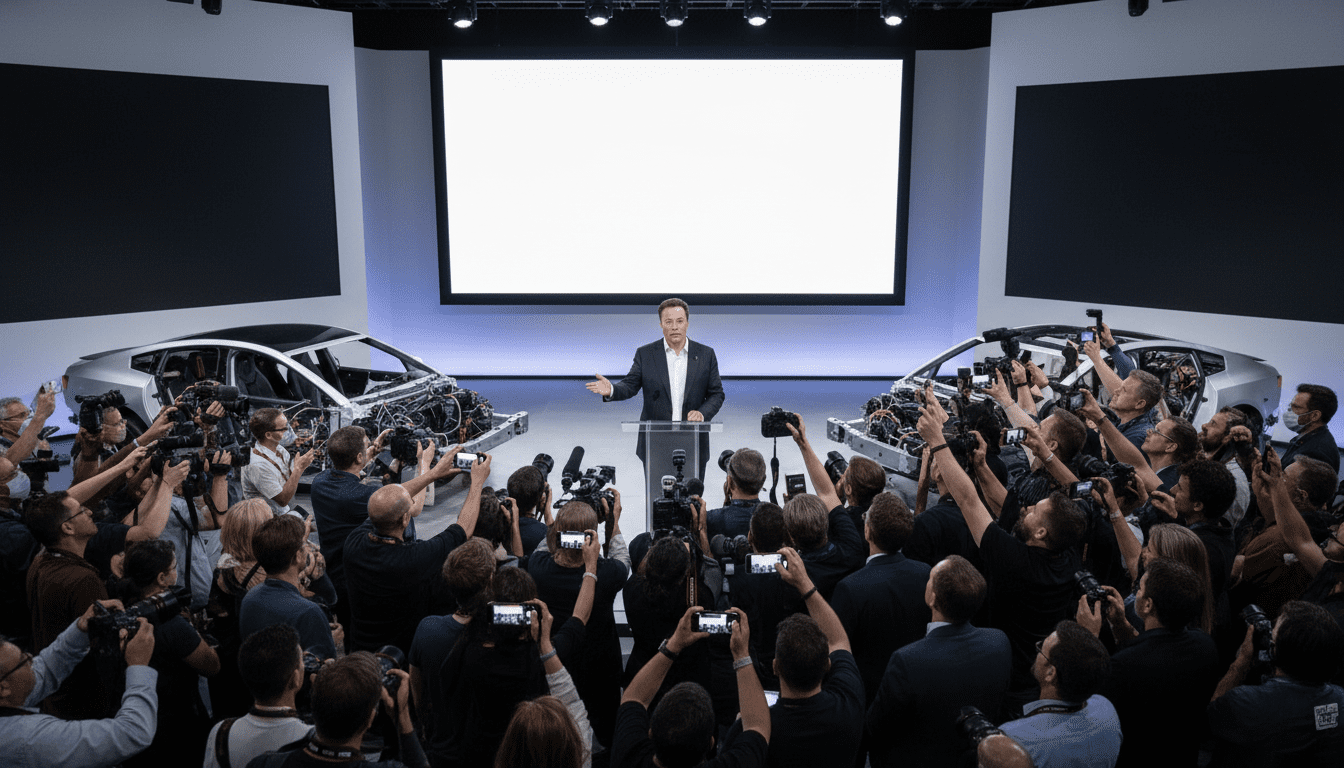
Tesla Hardware Upgrades Required for Millions as Musk Signals Roadmap for True Full Self‑Driving
Elon Musk confirmed that millions of Tesla vehicles will require hardware upgrades to run a future, unsupervised version of Full Self‑Driving, raising questions about logistics, cost and regulatory scrutiny.
Musk’s Announcement on Full Self‑Driving Hardware
During a recent earnings call, Elon Musk acknowledged that a more capable version of Tesla’s Full Self‑Driving (FSD) software will not be compatible with large swaths of the current fleet without physical hardware changes.
The admission — which highlighted the need for on‑vehicle retrofits rather than a purely software update — surprised some investors and long‑time owners who had expected FSD improvements to come via over‑the‑air updates.
Which Vehicles Are Affected
Tesla’s Hardware 3 (HW3) suite, which the company installed in vehicles sold roughly between 2019 and 2023, was identified as the primary cohort that may require upgrades.
Owners of HW3 cars have long pressed the company for clarity on whether they would be able to run future FSD releases, and Musk’s comments appear to offer the first clear public confirmation that hardware limitations remain a blocker.
Logistics and the Microfactory Proposal
Musk said the company would likely need to perform physical upgrades at scale, a solution that Tesla characterized as requiring localized retrofit facilities—dubbed microfactories—to service vehicles in major metropolitan areas.
Implementing a distributed upgrade program across potentially millions of cars creates a massive logistical challenge involving parts distribution, trained technicians, scheduling and vehicle downtime.
Financial Stakes and Capital Planning
The retrofit plan arrives as Tesla has signaled a marked increase in capital spending, expanding its capital expenditure guidance for the year, and reported a near‑term surge in free cash flow that briefly buoyed shares.
Such a hardware upgrade program could represent a significant new line item in the company’s capital budget, squeezing margins if the costs are absorbed by Tesla or prompting owner fees if costs are passed on.
Regulatory and Legal Considerations
The prospect of mandatory or paid hardware upgrades raises regulatory and liability questions for both Tesla and owners, particularly in jurisdictions where regulators scrutinize safety‑critical changes.
If upgrades are required to enable an unsupervised driving mode, regulators could demand extensive testing, documentation and potentially recall‑style processes that would extend timelines and add expense.
Owner Impact and Potential Responses
For many owners, the announcement creates uncertainty over vehicle value and future functionality, especially for those who purchased HW3 cars in good faith expecting software progress.
Tesla will face decisions on whether to subsidize upgrades, offer trade‑in incentives, or provide subscription pathways that tie advanced driving features to additional hardware purchases. Each approach carries reputational and financial trade‑offs.
Industry Context and Market Reactions
The hardware upgrade revelation comes amid broader turbulence and investment activity across the mobility sector, including restructuring at battery recycling and materials firms and fresh funding for autonomous trucking startups.
Investors and competitors are likely to reassess timelines for fully autonomous consumer driving while suppliers and aftermarket providers may spot commercial opportunities in retrofit services.
Millions of Tesla owners and industry observers will now watch for concrete plans: which vehicles qualify, the technical scope of the required hardware, retrofit timelines, and who will bear the costs.
Until Tesla publishes a detailed rollout schedule and cost model, uncertainty will persist around when — or whether — the promised unsupervised FSD capability will become broadly available to the existing fleet.
