
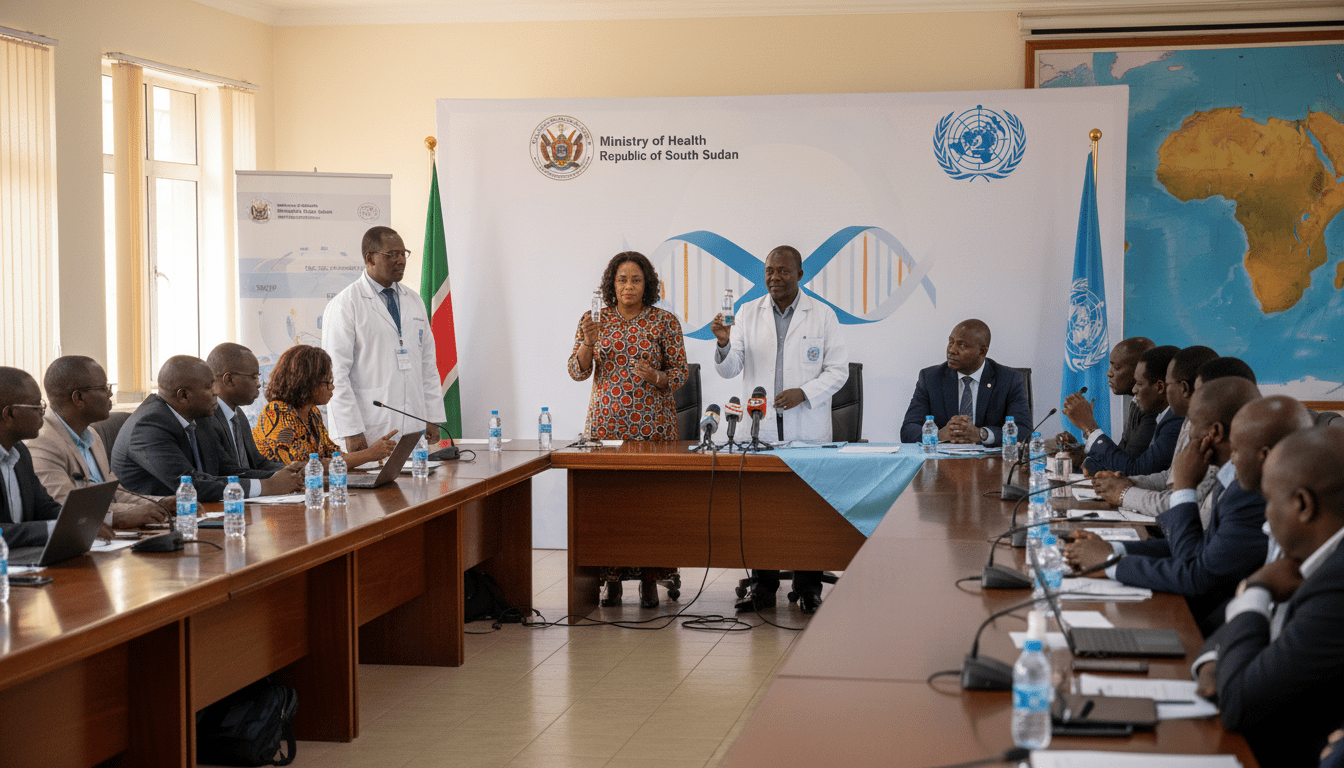
Hepatitis E vaccine shown effective after two doses in South Sudan outbreak response
South Sudan study shows two doses of the Hepatitis E vaccine reduced cases and protected people, supporting WHO two-dose guidance and emergency stockpile use.
A field evaluation in Bentiu camp, South Sudan, found that two doses of the Hepatitis E vaccine provided substantial protection during an active outbreak, offering a practical alternative to the standard three-dose regimen. The vaccine campaign and subsequent clinical and laboratory studies were carried out by Médecins Sans Frontières, academic partners and South Sudanese health authorities. The finding that protection is achieved after the first two doses has immediate implications for emergency vaccination strategies in displaced and flood-prone populations.
Vaccination campaign targeted overcrowded Bentiu displacement camp
The vaccination drive took place in Bentiu, a settlement that hosts more than 100,000 people displaced by conflict and recurrent flooding. Campaign teams administered the Hepatitis E vaccine in three rounds held in March, April and October 2022, focusing on residents aged 16 years and older. Poor sanitation and contaminated water have long made Bentiu vulnerable to waterborne outbreaks, making rapid vaccine deployment a priority for outbreak control.
Collaborative study design compared cases with neighborhood controls
Researchers from Médecins Sans Frontières, MSF Epicentre, Johns Hopkins University, the University of Geneva, Geneva University Hospitals and the South Sudanese Ministry of Health joined operational and academic expertise for the evaluation. The team used a case-control design, comparing the vaccination status of 201 laboratory-confirmed hepatitis E patients identified between May and December 2022 with nearby individuals without jaundice symptoms. That approach allowed field teams to estimate real-world effectiveness under the logistical constraints of an emergency setting.
Laboratory analysis clarified virus characteristics and diagnostics
Blood and diagnostic samples were sent to specialized laboratories at the Centre for Emerging Viral Diseases to define viral types and immune responses after vaccination. Laboratory work assessed how well diagnostic tests performed in this context and characterized the protective antibody response following the vaccine doses. Those data helped link clinical outcomes to measurable immune markers and informed interpretation of test performance during the outbreak response.
Two doses demonstrated meaningful protection and reduced incidence
The study found that individuals who received the first two doses of the Hepatitis E vaccine were significantly less likely to develop symptomatic infection during the outbreak period. Incidence in the vaccinated population declined compared with unvaccinated neighbors, indicating that a two-dose schedule can have a rapid impact on disease transmission. This result is particularly notable because the vaccine’s licensed schedule typically calls for three doses spaced over six months, a regimen that is difficult to complete in transient or crisis-affected communities.
Findings influenced WHO emergency policy and stockpile creation
Investigators say their results, together with other evidence, informed decisions by international coordinating bodies to create an emergency stockpile of hepatitis E vaccines and to endorse a two-dose use in outbreak settings. A coordinated stockpile is expected to speed access to vaccine supplies where clean water and sanitation are lacking and outbreaks threaten vulnerable groups. Health officials highlighted that earlier protection after two doses allows programs to prioritize rapid coverage when resources and time are limited.
Operational challenges and considerations for outbreak deployment
Teams on the ground reported logistical hurdles typical of displacement settings, including cold-chain maintenance, population movement and competing health priorities. Delivering two doses on an accelerated timetable reduced the number of contacts required and improved feasibility compared with a three-dose course, while still achieving measurable protection. The program also underscored the need for strengthened surveillance, improved point-of-care diagnostics and tailored messaging for groups at elevated risk, such as pregnant women and people with chronic illness.
The South Sudan experience illustrates how operational research embedded in emergency response can shape policy and practice for vaccine use in humanitarian crises. By demonstrating that two doses of the Hepatitis E vaccine offer effective protection in an outbreak, the study provides a working model for rapid vaccination campaigns in similar high-risk settings. Continued monitoring, expanded access to vaccines from the new emergency stockpile and investments in water, sanitation and diagnostics will be essential to reduce the toll of hepatitis E in displaced and underserved populations.
