
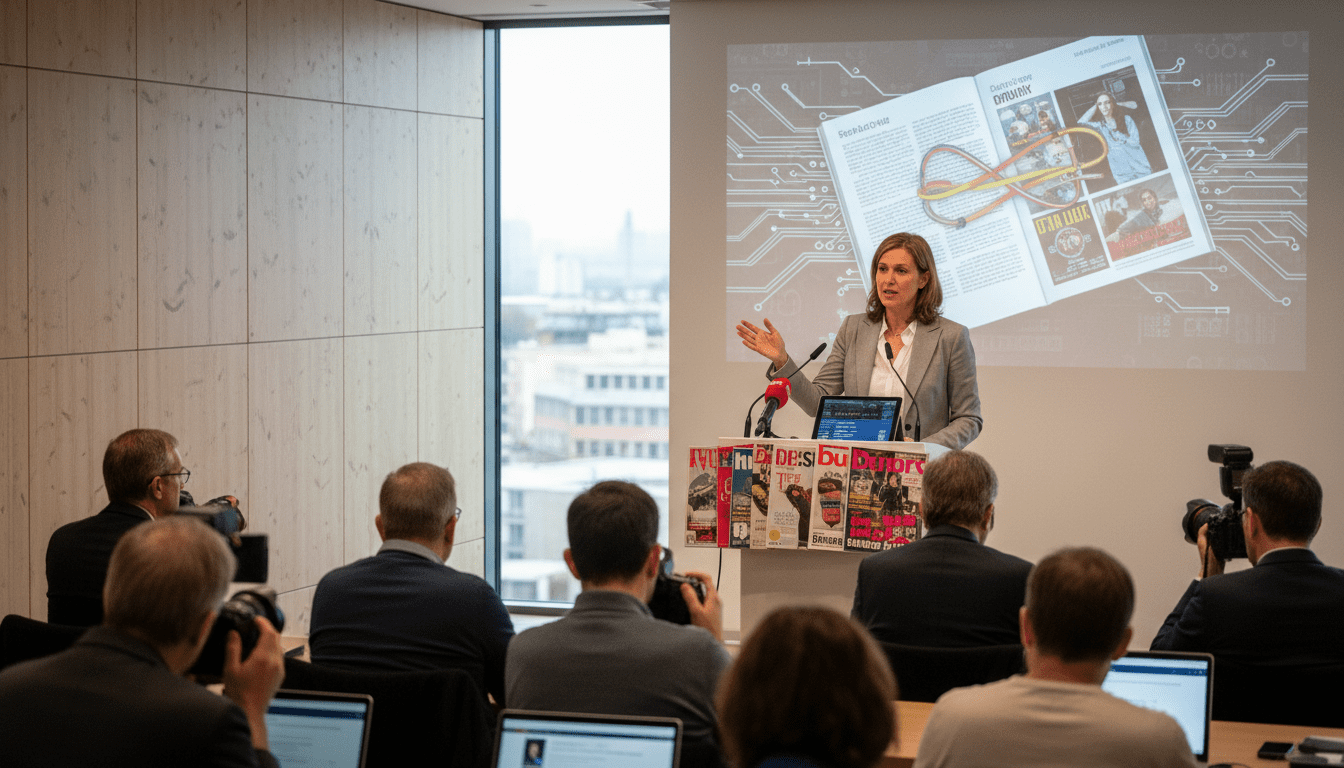
Rolling Stone and Germany’s Music Magazines Report Resilient Print Sales as Publisher Warns on AI Shift
Petra Kalb says Rolling Stone remains in demand on newsstands, while Musikexpress and Metal Hammer keep print readers; she warns AI will reshape editorial work.
Strong opening: publisher’s assertion and market signal
Petra Kalb, publisher of Rolling Stone and other titles, told editors and industry observers that Germany’s legacy music magazines continue to sell in print and retain committed readers. Rolling Stone, Musikexpress and Metal Hammer are cited as brands that still generate tangible newsstand and subscription demand. Kalb framed the moment as one of cautious optimism, noting that the sector faces both commercial opportunities and disruptive technology.
Independent Mediahouse since 2023
Kalb’s Mediahouse has operated independently for nearly three years, a development she credits with creating greater editorial freedom and strategic focus. The separation from larger corporate structures allowed the titles to sharpen their brand identities and invest selectively in print and digital projects. This autonomy has also forced tougher commercial choices about where to spend on content, events and audience development.
Print circulation and reader profile
According to Kalb, print buyers remain a reliable core audience for music journalism, often older and highly engaged with long-form features and record reviews. Retail sales and subscription renewals, she said, show slower declines than in other magazine categories, suggesting music fans value tangibility and curation. At the same time, younger readers increasingly discover the brands online, creating a two-tiered readership the company must serve.
Editorial culture described as part of the brand
Kalb emphasized the editorial teams’ central role in sustaining the magazines’ cultural relevance, describing editors as public-facing figures who often operate like cultural ambassadors. She argued that journalists who host podcasts, curate playlists and appear at festivals extend the titles’ reach beyond print. That blurring of roles, Kalb suggested, strengthens reader loyalty and opens new commercial avenues such as branded events and partnerships.
Digital strategy and diversification
The publisher outlined a pragmatic digital approach that balances free discovery with paid offerings, including premium newsletters, subscriber-only archives and multiplatform packages. Investments have targeted audio, video and social formats that amplify longform reporting rather than replace it. Kalb also mentioned licensing, merchandise and ticketed live events as incremental revenue streams designed to reduce dependence on volatile ad markets.
AI’s impact on music journalism and newsroom jobs
Kalb acknowledged that artificial intelligence is already reshaping newsroom workflows and warned it will accelerate change in editorial production. Routine tasks such as transcription, metadata tagging and simple recap pieces are likely to be automated first, she said, while investigative features and artist interviews will remain human-led for the foreseeable future. The publisher framed AI as a productivity tool that must be governed to protect journalistic standards and the magazines’ voice.
Commercial pressures and future investments
Despite steady print sales in some segments, Kalb stressed that advertising markets remain uneven and that continued profitability depends on disciplined cost control and smart investments. The Mediahouse plans to allocate resources to editorial talent, audience analytics and events that deepen fan engagement. Kalb also indicated readiness to streamline titles or expand partnerships if market conditions require more radical consolidation.
The conversation with Kalb underscored a hybrid future for music magazines that mixes print’s credibility with digital reach and experiential offerings. Rolling Stone and its sister titles appear positioned to defend their editorial authority, but the balance between automation and human storytelling will shape their trajectory in the coming years.
