
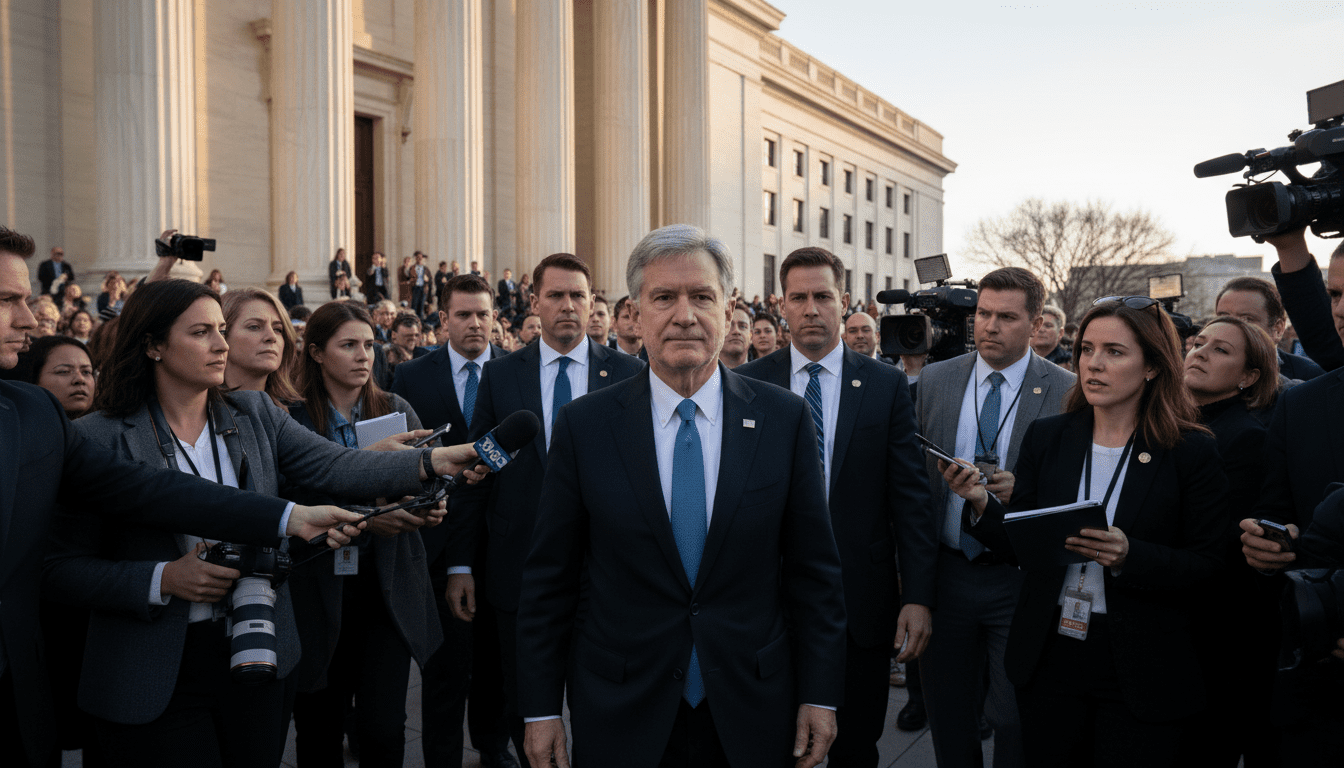
DOJ Drops Federal Reserve Investigation Into Renovation Cost Overruns
DOJ halted a Federal Reserve investigation into renovation cost overruns and sent the matter to the Fed inspector general, shaping Jerome Powell’s succession. (158 characters)
DOJ Ends Criminal Inquiry Into the Fed
The U.S. Department of Justice has halted a criminal investigation into the Federal Reserve and its chair, Jerome Powell, related to alleged cost overruns on a headquarters renovation. The decision was announced by Washington-area federal prosecutor Jeanine Pirro on the social platform X, who said she had asked the Fed’s inspector general to take up the matter. The move effectively pauses the Federal Reserve investigation while internal oversight proceeds.
Pirro Directs Inquiry to the Inspector General
Pirro said the inspector general will examine the billions in reported overruns and determine whether taxpayers were improperly charged. She told followers she instructed her office to stand down so the inspector general could pursue the same questions. Pirro added she would not hesitate to resume criminal proceedings if the facts uncovered by that review justified reopening the investigation.
Allegations of $2.5 Billion in Overruns
The original probe centered on allegations that the renovation of the Fed’s Washington headquarters exceeded budget by roughly $2.5 billion. Prosecutors had been seeking to establish whether that gap reflected criminal wrongdoing or mismanagement, but the investigative team had not produced evidence tying Powell personally to illicit conduct. The inspector general’s review will aim to quantify the overruns and identify lapses in contract oversight and spending controls.
Powell Responds and Frames Political Pressure
Jerome Powell made public earlier disclosures about the investigation in mid-January and characterized the threat of prosecution as political pressure on monetary policy. He has argued that efforts to threaten charges reflected an attempt to influence Federal Reserve decisions on interest rates rather than address legitimate criminal concerns. Powell has repeatedly maintained the Fed sets policy independently and said prosecutors’ actions risked undermining that independence.
Confirmation Implications for Kevin Warsh
The case had immediate political consequences, clearing a path for President Donald Trump’s preferred Fed nominee, Kevin Warsh. Republican Senator Thom Tillis signaled that he would link his support for Warsh’s confirmation to the disposition of the investigation, and the DOJ’s move removed a significant obstacle. With the criminal probe paused, Senate debate over Warsh’s nomination is likely to intensify in the coming weeks.
Court Ruling on Subpoenas Complicated the Case
A federal judge in March 2026 blocked DOJ subpoenas for Powell, finding the requests may have been issued for an improper purpose rather than legitimate law enforcement needs. Judge James Boasberg said a “mountain of evidence” suggested the investigation might be used as leverage to push the Fed toward rate cuts or to force Powell’s resignation. That ruling limited prosecutors’ ability to compel Powell’s testimony and added legal pressure on the criminal inquiry.
The decision to shift the review to the Federal Reserve’s inspector general removes immediate criminal exposure for Powell but leaves open several lines of oversight and political scrutiny. The inspector general’s work will be watched closely by lawmakers, investors and Fed-watchers because it could produce findings that influence both public perception and the course of the Warsh confirmation. Powell’s current term as Fed chair expires on May 15, 2026, and the coming weeks will determine whether he departs with the investigation unresolved or whether the inspector general’s report changes the political landscape.
The unfolding developments underscore renewed tensions between the Justice Department, the judiciary and the White House over the independence of central bank policymaking.
