
Reza Pahlavi Visits Berlin, Meets Parliamentarians as Government Declines Talks
Reza Pahlavi met German parliamentarians in Berlin while the federal government declined official talks; he warned against appeasement of Iran’s regime and was sprayed with red liquid.
Opening summary: Pahlavi meets MPs but not the government
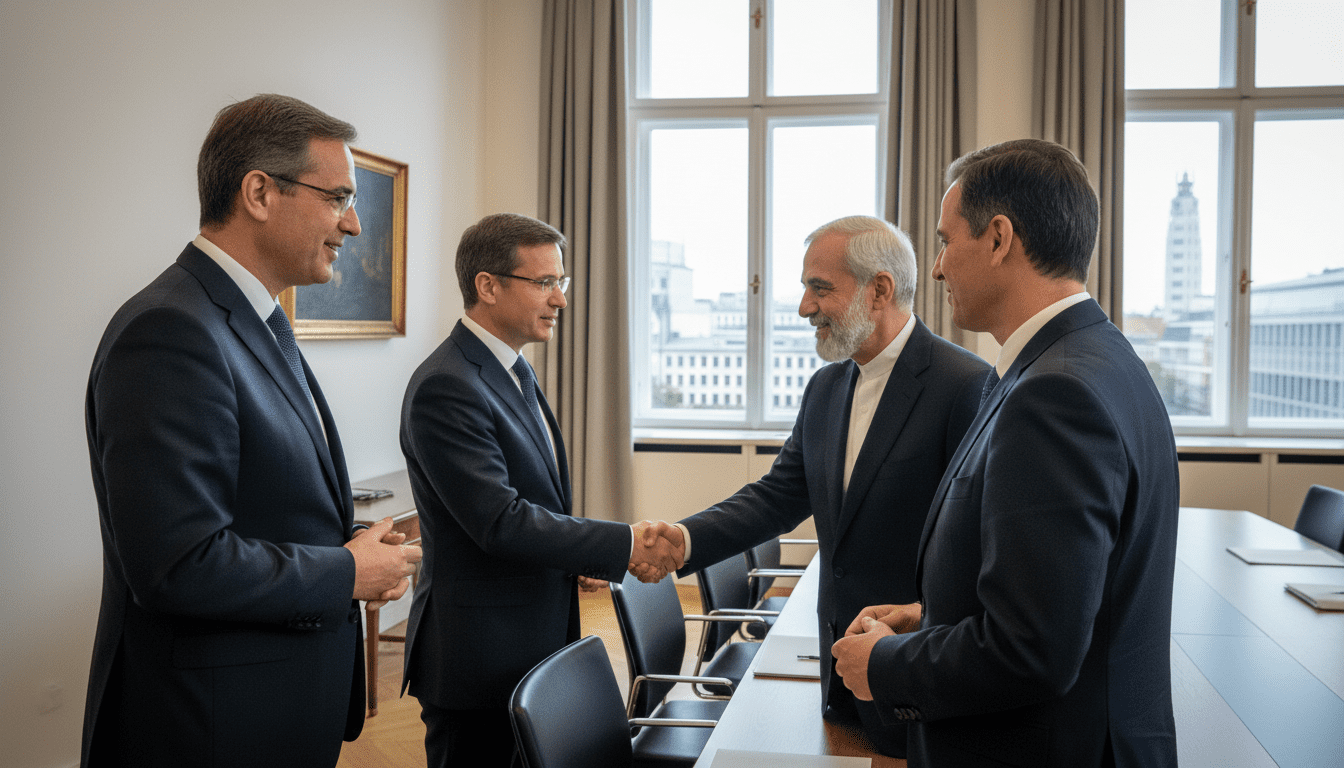
Reza Pahlavi, the exiled son of Iran’s last shah, held talks with members of the Bundestag in Berlin but did not secure meetings with federal government ministers. At a federal press conference he expressed regret that no one from the government would meet him and appealed for Germany to stand with the Iranian people. During the visit he warned Western governments against what he called conciliatory policies toward Tehran and framed the current regional conflict as rooted in the regime’s actions.
Parliamentary engagements and key messages
Pahlavi’s meetings included lawmakers from multiple parties who described the discussions as substantive and focused on opposition unity and democratic transition. Attendees said Pahlavi presented himself as a transitional figure who seeks to coordinate various opposition currents rather than to impose a new monarchy. He emphasized that the ultimate political choice for Iran should be made by Iranians themselves, pointing to examples of European states that combine monarchy with democratic institutions as one of several possible outcomes.
Pahlavi used the forum to outline a vision of international backing for a democratic alternative and said he hoped that on a future “day of victory” he could tell Iranians that Germany had stood with them. He cautioned that Western states risked emboldening Tehran if they pursued accommodation without demanding an end to hostilities and respect for human rights.
Government response and Wadephul’s remarks
Germany’s federal government made clear it would not open formal talks with Pahlavi during his visit, a stance reiterated by Foreign Minister Johann Wadephul. Wadephul said Pahlavi had come “as a private person” and that it was not the government’s role to hold bilateral discussions with him in an official capacity. During a joint press appearance in Dublin, Wadephul also said Iran’s leadership should be willing to negotiate an end to fighting in the conflict he described as involving the United States and Israel.
Wadephul further referenced U.S. involvement, saying U.S. officials, including Vice President J.D. Vance, had indicated a readiness to engage in talks elsewhere but that Iran had not shown up for such discussions. Those remarks were presented as characterizing ongoing diplomatic obstacles rather than as an assessment of policy options.
Support from some lawmakers, concern from others
Several Bundestag figures welcomed the parliamentary engagement with Pahlavi as a useful channel to hear one strand of Iranian opposition thought. Armin Laschet, chair of the Bundestag foreign affairs committee, described Pahlavi as calm and integrative in interviews, saying he could serve as a familiar opposition face in Western discussions. Bundestag Vice President Omid Nouripour, who was born in Iran, said it made sense to hear from all opposition elements that advocate for freedom and democratic reform.
Not all reactions were favorable; left-wing foreign policy MPs questioned the optics of meetings between lawmakers and a monarchical scion. Cansu Özdemir warned that such encounters risked creating doubts about whether key figures in German politics were genuinely committed to supporting a democratic future in Iran rather than backing a single personality or faction.
Monarchist backing and Pahlavi’s stance on Iran’s future
Monarchist circles in exile view Pahlavi as a symbolic leader of parts of the Iranian opposition and have circulated him as a potential focal point for coordination. Pahlavi repeatedly declined to present himself as an alternative monarch or permanent ruler, instead framing his role as transitional and subject to the will of the Iranian people. He stressed that any political system for Iran must be chosen freely by Iranians and noted the diversity of democratic models in Europe to underline that monarchy is not the only path.
In public remarks he urged Western governments not to mistake opposition familiarity for a desire to reinstate autocratic rule, attempting to allay fears that his prominence equates to a push for restored monarchy. He sought to present a platform centered on democratic transition, human rights, and national reconciliation.
Security incident and police response
During the Berlin visit, Pahlavi was sprayed with a red liquid while on a street, an incident that police said prompted the detention of one man. Authorities described the arrest as part of a fast response to a public-order incident, and no further escalations were reported at the scene. The episode underscored the tense atmosphere that can accompany visits by prominent exiled figures and the polarized reactions such visits can provoke.
Security officials indicated they would assess the circumstances of the attack as part of routine investigations and said protective measures for public events would remain a priority. Participants in Pahlavi’s meetings called for calm and for authorities to ensure safe conditions for political discourse.
Reza Pahlavi has lived in exile since the end of his father’s rule in 1979, spending long periods in the United States, and his Berlin appearances reflect ongoing efforts to sustain an international profile while engaging opposition voices. The visit has reignited debate in Germany over how democracies should engage with exiled opposition figures and balance official diplomatic protocols with opportunities for parliamentary exchange.
