
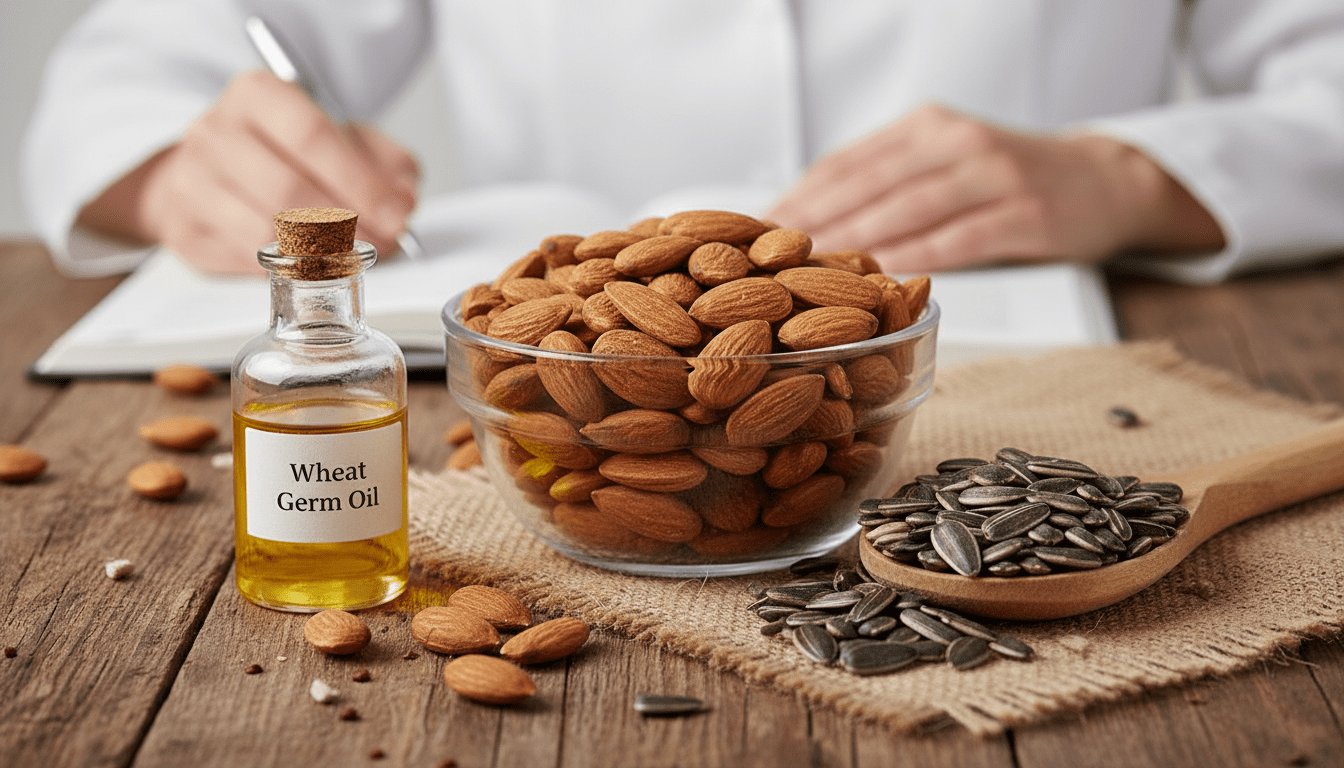
New roundup identifies everyday foods richest in vitamin E and how to add them to your diet
Discover top foods high in vitamin E – nuts, seeds and oils – plus serving amounts, daily requirements and simple ways to boost intake through meals today.
A new dietary roundup highlights common pantry items that deliver significant amounts of vitamin E, naming nuts, seeds and plant oils among the most concentrated sources. The report notes specific serving sizes and percent daily values to help consumers plan meals that meet recommended intakes. Nutrition professionals say focusing on whole foods makes it easier to obtain vitamin E without routine supplementation.
Almonds and Nuts Lead as Vitamin E Sources
Almonds remain one of the most accessible natural sources of vitamin E, with roughly 5.7 milligrams per 30-gram serving, equating to about 38 percent of the daily value. Other tree nuts such as hazelnuts contribute meaningfully as well, offering both vitamin E and healthy unsaturated fats in compact servings.
Eating a small handful of mixed nuts daily can supply a substantial portion of an adult’s vitamin E needs while also providing protein, fiber and minerals. Because nuts are calorie-dense, portion control and pairing them with vegetables or whole grains help integrate them into balanced meals.
Oils Provide Concentrated Vitamin E
Certain plant oils concentrate vitamin E in small amounts; wheat germ oil is exceptionally rich, providing about 20 milligrams per tablespoon or roughly 135 percent of the daily value. Sunflower oil and hazelnut oil also offer significant amounts, with typical values near 5.6 mg and 6.4 mg per tablespoon respectively.
How oils are used affects nutrient retention and flavor: wheat germ and hazelnut oils are best used as finishing oils to preserve their delicate profiles, while sunflower oil’s higher smoke point makes it suitable for cooking. Swapping saturated fats like butter for these oils can both increase vitamin E intake and improve the overall fat quality of meals.
Sunflower Seeds and Seed-Based Sources
Sunflower seeds stand out among seeds, providing about 7.4 milligrams of vitamin E per ounce, equal to roughly 49 percent of the daily value for adults. Beyond vitamin E, seeds add fiber, B vitamins and trace minerals such as selenium and copper, making them a nutrient-dense addition to many dishes.
Seeds are versatile: sprinkle them on salads, stir them into yogurt, blend them into pestos, or include them in homemade granola and trail mixes. Toasting seeds briefly can deepen flavor, but extended high heat may reduce sensitive nutrients, so add them near the end of cooking when possible.
Daily Vitamin E Requirements and Age-Based Guidance
Recommended dietary intakes vary by age and life stage, with children and infants needing modest amounts and adults requiring more to meet antioxidant needs. Current guidelines list infants at about 4–5 mg per day, young children 6–7 mg, preteens 11 mg, and teens and adults 15 mg, while breastfeeding adults may need around 19 mg daily.
Meeting these amounts through food is feasible for most people when meals regularly include nuts, seeds and plant oils. Those with fat-malabsorption conditions or restrictive diets should consult a healthcare provider because they may require tailored advice or supplementation.
Fortified Foods and Label Reading Tips
Fortified breakfast cereals and enriched grain products can deliver high amounts of vitamin E; some fortified cereals contain more than 23 mg per serving. Because fortification levels vary considerably by brand and product, consumers should check nutrition labels to confirm how much vitamin E a serving provides.
Pay attention to serving sizes when comparing products, and factor fortified items into daily totals to avoid unintended excess from multiple fortified sources. While food fortification helps bridge gaps, it should complement—not replace—a diet built on whole foods such as nuts, seeds and vegetables.
Practical Meal Strategies to Boost Vitamin E Intake
Simple swaps and additions can raise vitamin E intake without major dietary changes: use sunflower oil for roasting vegetables, drizzle wheat germ or hazelnut oil over salads, and add a spoonful of sunflower seeds or a handful of almonds to morning oatmeal. Small, consistent changes spread across meals are more sustainable than large one-time adjustments.
Balancing vitamin E–rich foods with other nutrient-dense choices supports overall diet quality; for example, pair nuts with fruit or use nut oils in vinaigrettes over leafy greens. For people considering supplements, a food-first approach is advised unless a clinician recommends otherwise.
Including a variety of nuts, seeds and plant oils in regular meal planning can supply most people’s vitamin E needs while delivering additional nutrients and healthier fats. Monitoring portion sizes and reading labels for fortified foods will help consumers meet recommended intakes safely and effectively.
