
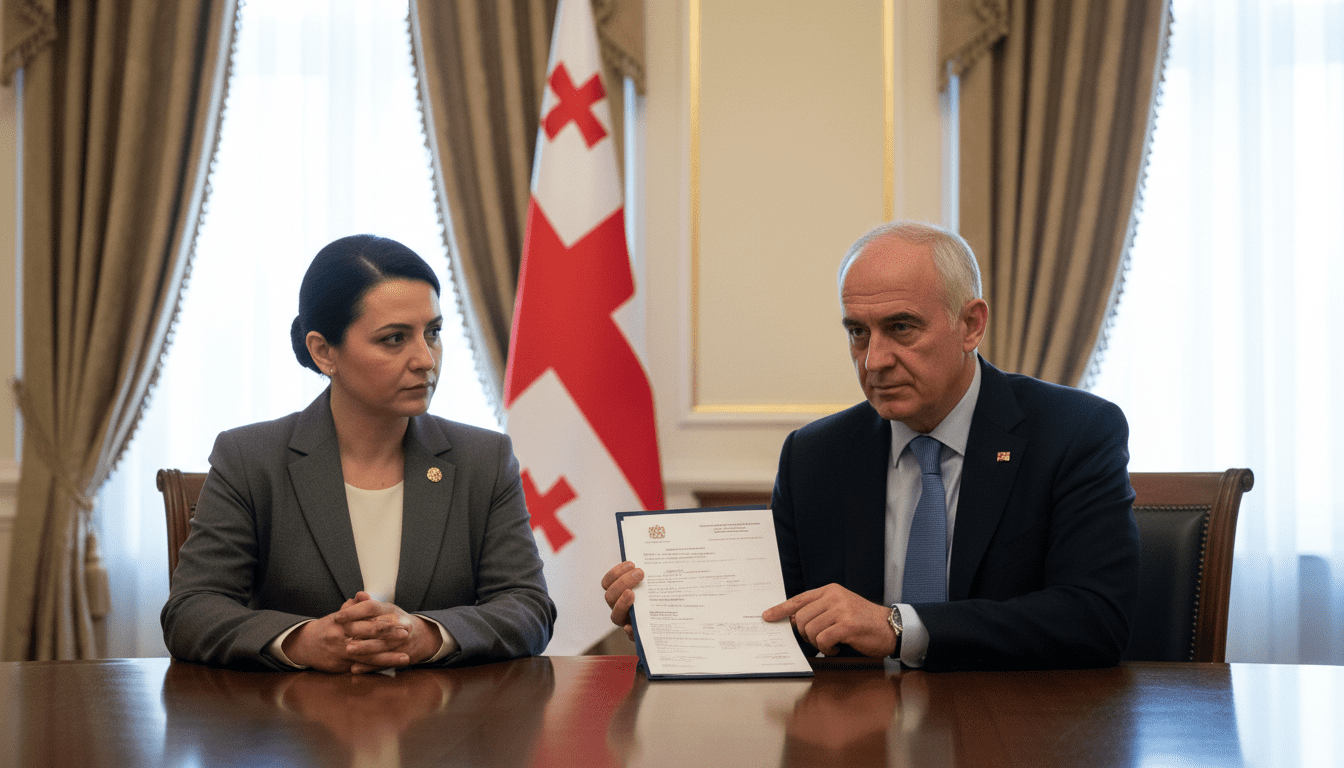
FIS President Johan Eliasch Seeks Georgian Citizenship to Secure Third Term
FIS President Johan Eliasch seeks Georgian citizenship to qualify for a third term, a move that has sparked debate over eligibility, governance and sports diplomacy. The Swedish‑British ski official confirmed he needs a Georgian passport to meet nationality requirements for re‑election. The plan has prompted questions from national federations and observers about procedural, legal and ethical implications.
Eliasch announces plan to obtain Georgian citizenship
Johan Eliasch has informed stakeholders that he will pursue Georgian citizenship ahead of the next FIS election. Eliasch’s camp says the change is intended solely to satisfy eligibility criteria that tie presidency candidacy to specific national affiliations. The announcement underscores a focused effort to secure the documentation he lacks under current rules.
Eliasch framed the move as a practical step rather than a change of national identity, emphasizing his continued ties to Sweden and the United Kingdom. He also highlighted his ongoing work for the International Ski Federation and argued that the citizenship application is a formality necessary for procedural compliance.
Eligibility and FIS statutes
The FIS constitution contains provisions linking presidential eligibility to nationality and federation endorsement, creating a legal pathway that may necessitate a passport from a particular member nation. Legal experts say the interplay between personal nationality and federation support can create complex eligibility questions for international sporting offices. Observers note that prior cases within sports governance have required careful interpretation of statutes and precedents.
FIS officials will need to determine whether a change of citizenship fully satisfies the letter and spirit of the rules, including any residency, endorsement, or dual‑nationality clauses. The federation’s legal committee and member associations are likely to scrutinize the application to ensure consistent enforcement and to prevent perceptions of procedural manipulation.
Responses from national federations and rivals
Reaction among national ski federations was immediate and mixed, with some urging clarity and others expressing concern about precedent. Several federations have called for an official opinion from FIS legal advisors to avoid ad hoc decisions that could undermine the election’s legitimacy. Rival potential candidates and governance watchdogs warned that citizenship changes for election purposes risk eroding trust in institutional norms.
Supporters of Eliasch argue that his leadership record and reforms justify a procedural solution to eligibility barriers, while critics contend that nationality adjustments should not be used to sidestep competitive processes. The debate is reflecting a broader tension between pragmatic governance and strict adherence to rules designed to preserve fairness in international sport.
Legal and diplomatic process in motion
Obtaining Georgian citizenship involves both legal documentation and diplomatic channels, and Eliasch’s team has reportedly begun the necessary administrative steps. Citizenship laws vary by country, and decisions can hinge on criteria such as investment, ancestry, or exceptional contribution. Georgian authorities will ultimately decide whether to expedite or approve a request tied to a high‑profile international figure.
If approved, the issuance of a Georgian passport would be a decisive factor in Eliasch’s eligibility, but legal advisers caution that the timing and transparency of the process will be crucial. Any perception of preferential treatment could provoke challenges within FIS or from other member federations seeking consistency.
Implications for FIS governance and international sport
The episode raises larger questions about governance standards within international sports federations and the mechanisms used to select leaders. Critics say reliance on nationality rules may be outdated in an era of global careers and dual citizenship, and they call for clearer, principle‑based eligibility criteria. Proponents of reform argue this is an opportunity for FIS to revisit its statutes and provide a durable framework that balances inclusivity with accountability.
Beyond internal rules, the case touches on the reputation of skiing’s global governing body and its ability to manage sensitive electoral matters without undermining public confidence. Stakeholders emphasize the need for transparent procedures and consistent application of rules to avoid long‑term damage to the sport’s governance structures.
Election timeline and next steps
FIS will now face decisions about scheduling legal reviews and communicating timelines to member associations ahead of the election. The federation must balance due process with the practicalities of an electoral calendar, ensuring that all candidates meet the same criteria within an orderly timeframe. Officials have indicated that they will provide guidance to members once the legal implications of a citizenship change are clear.
Member federations are expected to submit formal questions and may request written opinions or rulings to prevent ambiguity. Any challenge to the outcome could hinge on documented procedures and the transparency of both the citizenship process and FIS’s internal deliberations.
The development places a spotlight on the relationship between nationality, governance and leadership in international sport, and it will test FIS’s capacity to manage contentious eligibility issues while preserving institutional integrity.
