
Iran Refuses US Talks Unless Naval Blockade Is Lifted, UN Envoy Says
Iran’s UN ambassador said Tehran will not enter negotiations with the United States unless the naval blockade is lifted, responding to President Trump’s ceasefire extension announced on April 22, 2026.
Iran’s UN envoy, Amir-Saeid Iravani, publicly rejected entering talks with Washington on April 22, 2026, unless the naval blockade that Tehran says constrains its access at sea is removed. The declaration came after U.S. President Donald Trump announced an extension to an existing ceasefire, a move Iravani framed as insufficient without concrete changes to maritime restrictions. The standoff underscores a diplomatic impasse that leaves a broader regional cessation of hostilities in doubt.
Diplomatic Response at the United Nations
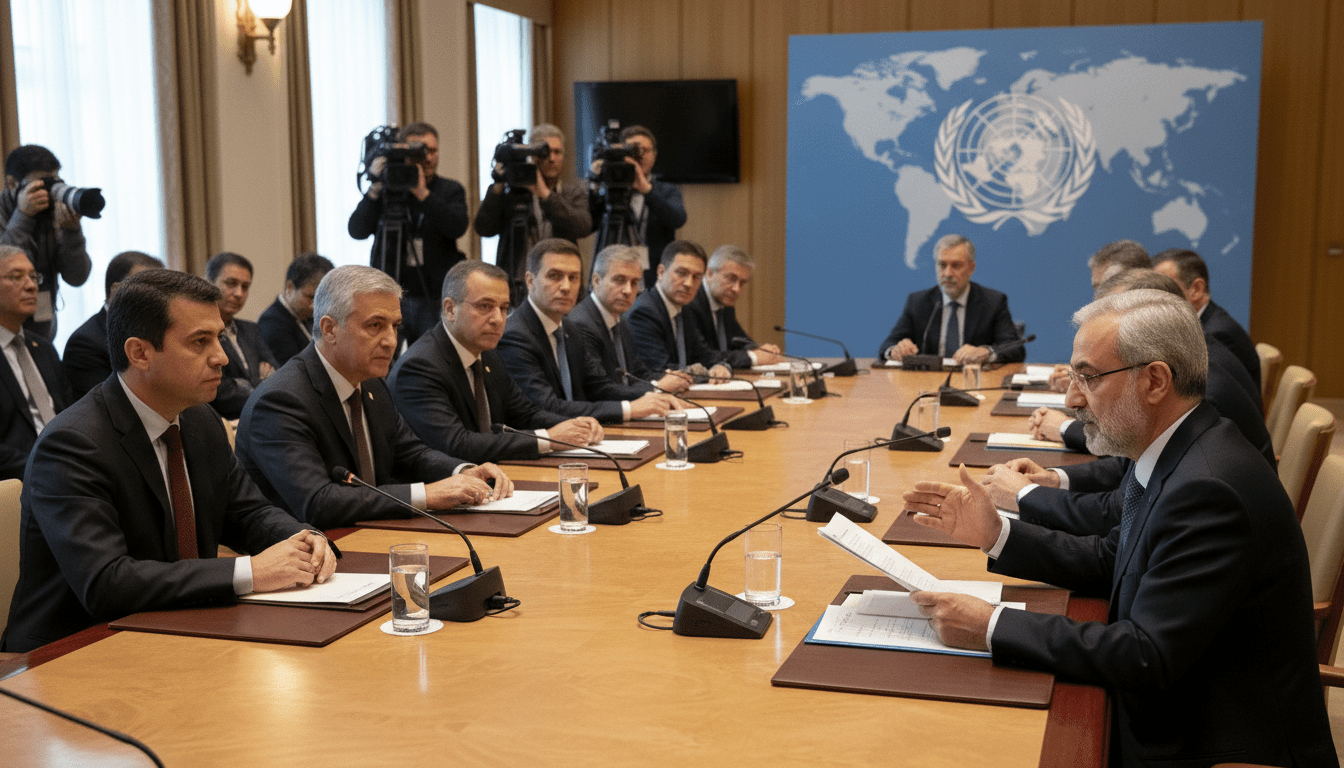
Iravani delivered Iran’s position during statements conveyed to UN diplomats, saying Tehran will not resume negotiations while the naval blockade remains in effect. He linked Iran’s refusal directly to the maritime restrictions, framing lifting the blockade as a precondition for meaningful dialogue.
UN officials present described the remarks as firm and unequivocal, signaling Iran’s intent to use multilateral forums to press its demands. The comments immediately raised questions about the future of trilateral or bilateral negotiation tracks aiming to consolidate the ceasefire.
Details of the US Ceasefire Extension
President Trump announced an extension to the ceasefire on April 22, 2026, without indicating a timetable for further diplomatic steps or operational changes at sea. The White House characterized the extension as aimed at reducing immediate violence, but provided limited public detail on associated measures.
U.S. officials have emphasized de-escalation, yet Tehran’s response suggests that a ceasefire extension alone will not resolve core disagreements. The divergence highlights a gap between Washington’s tactical pause in hostilities and Tehran’s demand for strategic changes to maritime access.
Implications for Negotiations and Regional Security
Iran’s stated refusal to enter talks unless the naval blockade is lifted risks stalling negotiation channels that rely on reciprocal concessions. If sustained, the impasse could complicate efforts to transition from a ceasefire to a durable diplomatic settlement.
Analysts warn that continued disagreement over maritime access may have wider security and economic ramifications, including pressure on commercial shipping and strain on neighboring states seeking stability. Diplomats say that resolving the blockade dispute will likely be a necessary condition for any substantive talks to move forward.
Potential International Responses and Mediation Paths
The standoff is expected to prompt appeals to the United Nations and calls for third-party mediation from regional and global actors. Countries with diplomatic ties to both Washington and Tehran may seek to broker confidence-building measures that could open the way to formal negotiations.
Possible interim steps discussed in diplomatic circles include independent verification of any changes to naval operations, phased easing of restrictions, and parallel humanitarian or commercial arrangements. Such measures would aim to create space for talks while reducing the risk of renewed confrontation.
Risks to Humanitarian and Commercial Flows
Maritime restrictions and their international repercussions could affect the movement of goods, aid deliveries, and commercial traffic through critical waterways. Humanitarian groups and shipping companies have previously warned that sustained naval constraints increase costs and complicate relief operations.
Stakeholders in the shipping and logistics sectors are closely monitoring diplomatic developments, as any extended blockade or retaliatory measures could disrupt regional supply chains. Governments dependent on maritime routes have an interest in a rapid, negotiated resolution to avoid broader economic fallout.
Diplomatic exchanges following President Trump’s April 22, 2026, announcement show a narrowing window for incremental progress unless one side alters its current stance on maritime operations. The coming days are likely to see intensified shuttle diplomacy as international and regional actors press both Washington and Tehran to identify practical steps that could restore trust and reopen formal talks.
