
Best Running Shoes for Plantar Fasciitis Tested Over Two Years
Find the best running shoes for plantar fasciitis from a two year test of 100 plus models with podiatrist guidance on fit, support, and recovery.
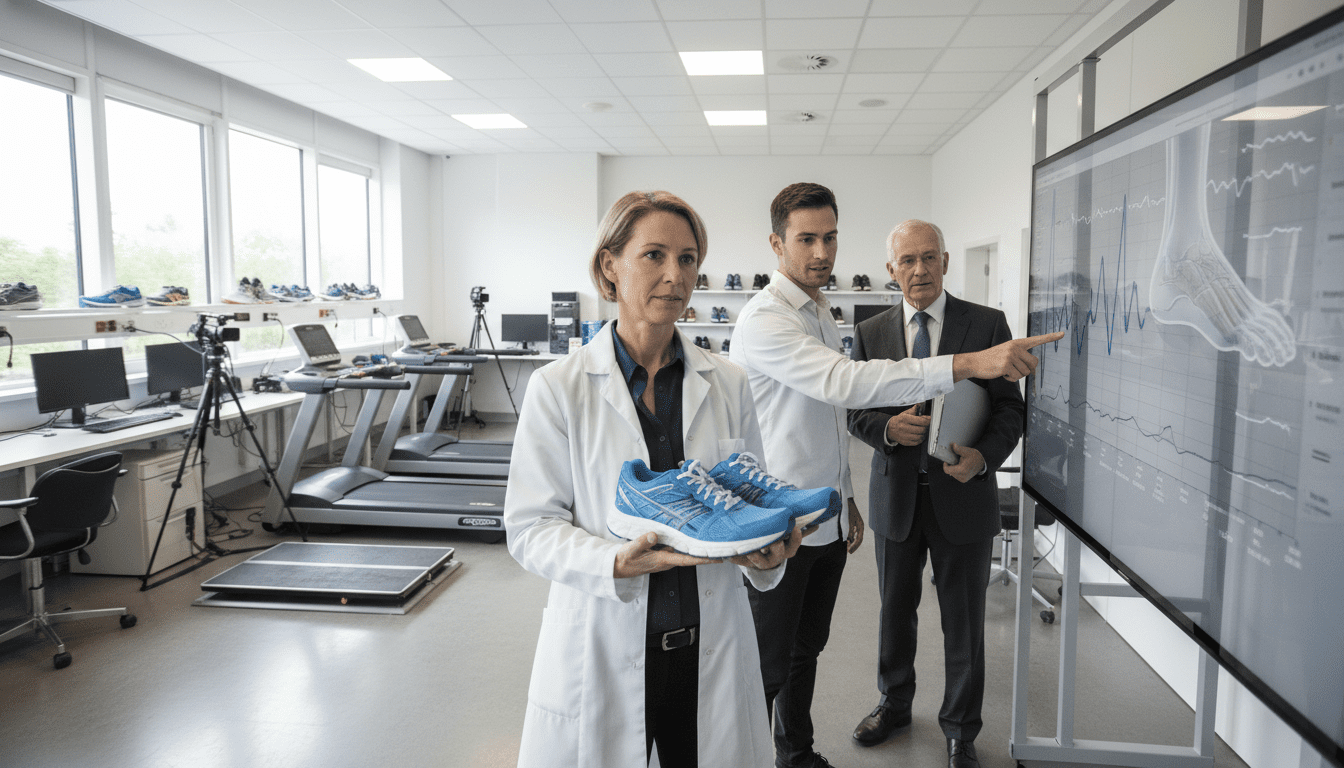
The Health testing team spent more than two years evaluating over 100 running shoes to identify which models reliably reduce heel pain for people with plantar fasciitis. After lab assessments and hundreds of miles across roads, trails, and treadmills, testers narrowed the field to a set of shoes that combine cushioning, arch support, and stable construction. Podiatrists were consulted throughout the process to ensure recommendations align with clinical guidance for managing plantar fascia strain.
Testing process and criteria
The testing program combined objective wear trials with expert consultation to compare performance across real world surfaces. Testers ran and walked in each shoe on pavement, grass, gravel, and treadmills while assessing fit, cushioning, stability, responsiveness, and durability. Podiatrists reviewed the shoe features that matter most for plantar fascia support to help prioritize models that reduce heel stress without compromising gait.
Testers also applied a simple bend test to each shoe looking for flex only at the ball of the foot and not through the arch. Consistent heel locking, a supportive midsole, and a heel to toe drop that shifts load away from the plantar fascia were scored highly. Final selections reflect a balance of clinical suitability and everyday wearability.
What podiatrists advise for plantar fascia support
Podiatrists say the right shoe should relieve pressure on the heel while providing arch support that prevents the arch from collapsing during impact. A modestly elevated, well cushioned heel can ease strain by shifting weight slightly forward and reducing direct load on the plantar fascia. Clinicians also recommend calf and fascia stretches and suggest orthotic inserts for persistent symptoms.
Experts caution that not all heel pain is plantar fasciitis and recommend evaluation for nerve entrapment, stress fractures, or tendonitis when pain persists or worsens. If conservative measures fail, a clinician may consider injections or further interventions, reserving surgery as a last option.
Key shoe features that ease heel pain
A wide toe box helps distribute force and prevents cramping that can aggravate foot mechanics while running. Substantial midsole cushioning and a firm heel counter absorb impact and keep the foot stable during the stance phase. Shoes that flex only at the forefoot preserve midfoot stability and reduce overstretching of the plantar fascia.
Look for a heel to toe drop of at least seven millimeters to shift pressure away from the heel and for constructions that accept supportive insoles. Rocker soles can further reduce heel loading by smoothing transition across the foot. Specialty running stores and podiatrists can help select the right combination of features for individual foot shape.
Highlights from the top performing models
The Asics Gel Venture 9 emerged as a top overall pick thanks to plush heel cushioning and a locked in fit that reduced heel discomfort in daily walks. Testers found it durable and supportive enough to avoid immediate need for custom inserts while remaining affordable. Its slightly bulky profile may not suit runners who prioritize speed.
Brooks Ariel GTS 23 stood out for arch support and a wide base that benefited runners with higher arches or stability needs. The shoe offered generous padding and options in multiple widths but testers recommended sizing up for adequate toe room. Brooks Adrenaline GTS 23 performed particularly well for treadmill work with firm heel support and a roomy toe box that kept feet cool during longer sessions.
For long distance runs the New Balance Fresh Foam X 880v12 impressed with dual layer foam that balanced cushioning and a secure, slim fit. The Nike Invincible 3 delivered marshmallow like cushioning and excellent shock absorption for road running while requiring thicker socks to avoid chafing from a low heel fit. Orthofeet Coral Stretch Knit appealed to runners with bunions for its roomy toe box and removable orthotic options that allow fine tuning of support.
Sizing, fit and practical buying tips
Many of the recommended models run differently so testing shoes in person remains valuable when possible. Try shoes later in the day when feet are slightly swollen and wear the socks you plan to run in. If you use over the counter or custom orthotics allow for extra toe box and midfoot space when selecting a size.
When trying shoes perform short runs or jogs in the store if available and pay attention to heel slip and arch comfort. If a model feels snug in the forefoot consider ordering a half or full size up rather than relying on looser lacing to compensate.
When to change course and seek care
If heel pain remains severe or worsens despite supportive footwear and conservative care seek medical evaluation. Clinicians can rule out other causes such as stress fractures, nerve issues, or tendon injuries that require different treatment. A combination of targeted stretching, temporary activity modification, orthotic support, and medical therapies typically resolves most cases without surgery.
Selecting the right running shoes for plantar fasciitis can reduce daily pain and allow runners to maintain activity while healing. The two year testing process identified several practical, clinician informed options that balance support, cushioning, and durability for different running styles and foot shapes.
