
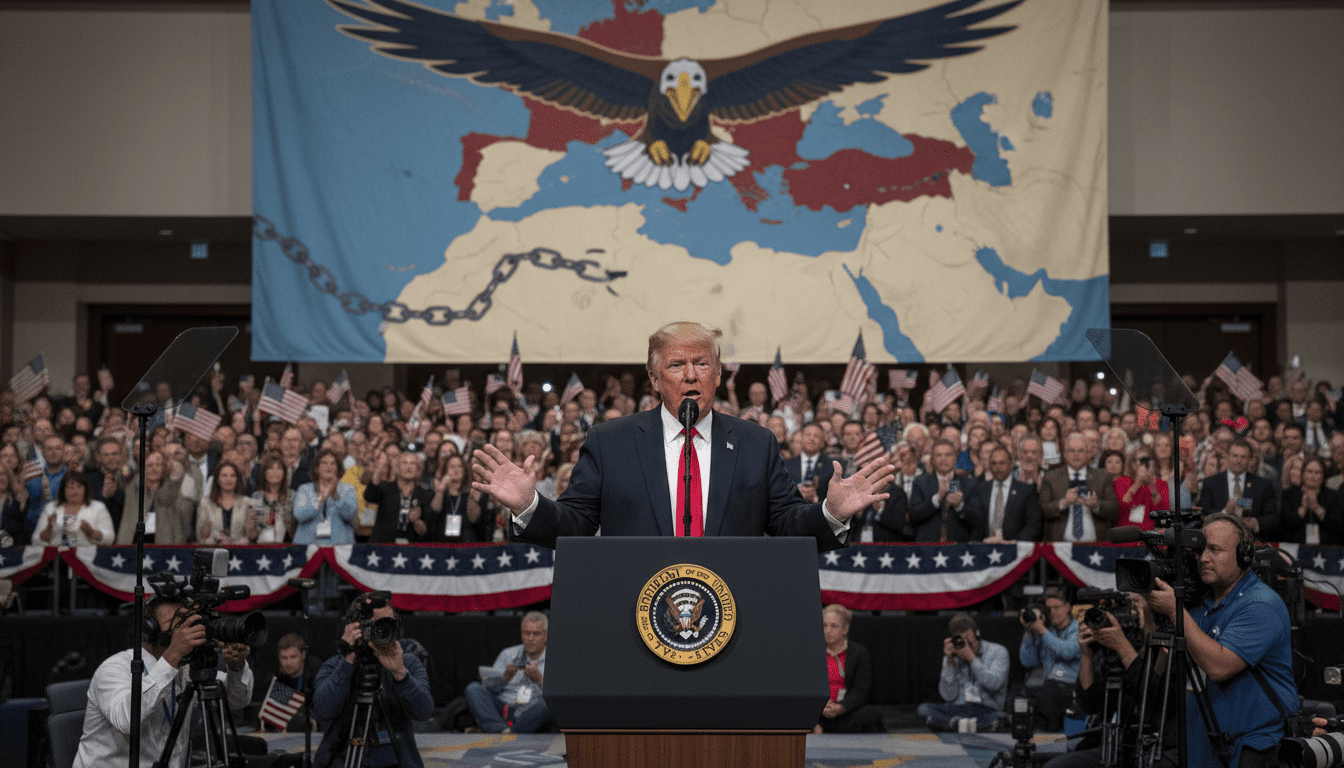
Trump says new Iran nuclear deal will be ‘far better’ than JCPOA
Trump says new Iran nuclear deal will be ‘far better’ than the 2015 JCPOA as talks face uncertainty over enrichment, missiles and regional proxies.
President Donald Trump asserted on Monday that a new Trump Iran nuclear deal currently under negotiation would be “far better” than the 2015 Joint Comprehensive Plan of Action, even as diplomats prepare for a potentially stalled second round of talks. The president’s remarks came amid mounting questions about whether negotiators will meet in Islamabad after a two-week ceasefire between the US-Israel coalition and Iran nears its end. The proposed agreement and accompanying demands — covering enrichment limits, ballistic missiles and Iran’s regional ties — have revived intense debate about what a successor to the JCPOA could actually contain.
Trump frames new deal as superior to 2015 agreement
President Trump has repeatedly criticized the original JCPOA he left in 2018 and has positioned this round of diplomacy as an opportunity to secure stricter terms. His administration and Israel have pressed for measures that go beyond the 2015 pact, including curbs on missile capabilities and formal limits on Tehran’s support for armed groups across the Middle East. Trump’s public characterization of the talks as producing a “far better” outcome signals an expectation of broader concessions from Iran than those contained in the earlier deal.
Summary of the 2015 JCPOA and its main provisions
Under the 2015 agreement, Iran accepted tight restrictions on uranium enrichment, a dramatic reduction in its stockpile, and enhanced inspections by the International Atomic Energy Agency in exchange for sanctions relief. The JCPOA capped enrichment at 3.67 percent, limited centrifuge numbers to certain models and imposed design changes on Iran’s Arak heavy water reactor to block plutonium pathways. These measures were designed to lengthen the time Iran would need to acquire weapons-grade material while allowing the country limited civilian nuclear activity and access to frozen assets.
Iran’s nuclear activities since the US withdrawal
Since the United States withdrew from the JCPOA in 2018 and reimposed sanctions, Tehran has incrementally stepped away from several of the deal’s limits. Beginning in mid-2019, Iran exceeded stockpile and enrichment thresholds and in late 2024 announced plans to deploy advanced centrifuges. International monitors reported a rapid uptick in enrichment levels by the end of 2024, with Tehran later producing material enriched to 60 percent purity and an IAEA estimate in 2025 placing that stock at roughly 440kg. Those moves have shortened any theoretical breakout time and complicated efforts to restore confidence in monitoring arrangements.
US and Israeli demands that expand scope of talks
Beyond uranium limits, Washington and Tel Aviv have sought to bring Iran’s ballistic missile programme and its support for proxy and militia networks into negotiations. U.S. officials have argued for restrictions or verifiable measures on missiles they say could deliver a nuclear weapon, while also demanding an end to Tehran’s backing for groups such as Hezbollah, Houthi forces and Iraqi militias. Iran has rejected linking its conventional and regional policies to nuclear diplomacy, maintaining that missile development and foreign policy support are sovereign matters outside the JCPOA framework.
Obstacles and bargaining chips shaping any new agreement
Analysts note that Iran’s negotiating posture is now more hardline than during the original talks, with domestic politics and the growing influence of the Islamic Revolutionary Guard Corps narrowing Tehran’s flexibility. Experts predict any new arrangement would likely resemble the JCPOA in structure — limits on enrichment, monitoring mechanisms and phased sanctions relief — but with tougher verification or sunset arrangements tailored to U.S. and Israeli demands. Key bargaining items will include immediate access to frozen assets, the pace of sanctions relief, and whether Iran accepts time-limited restrictions on enrichment and research and development activities.
Military strikes and the regional security context
Recent hostilities, including strikes on Iranian nuclear infrastructure and broader clashes between Iran and the US-Israel coalition, have sharpened the stakes and reduced political room for compromise. Attacks on sites tied to enrichment and heavy water production since February have deepened mistrust and raised concerns about the durability of any negotiated settlement. The security environment is likely to remain a central lever in diplomatic talks, with both sides aware that battlefield developments can quickly outpace negotiations.
Diplomats and analysts say a negotiated outcome remains possible if both Tehran and Washington accept narrower, pragmatic goals and avoid maximalist opening positions, but they also caution that the political costs on both sides will be high. Any successor to the JCPOA would need to balance enforceable limits and intrusive verification against Iran’s insistence on sovereign rights to peaceful nuclear work and regional influence. The coming days of diplomacy will test whether negotiators can bridge those gaps or whether the conflict dynamics that followed the 2018 withdrawal will continue to define the region.
