
Ship fuel costs double as Iran conflict drives up freight rates and consumer prices, official warns
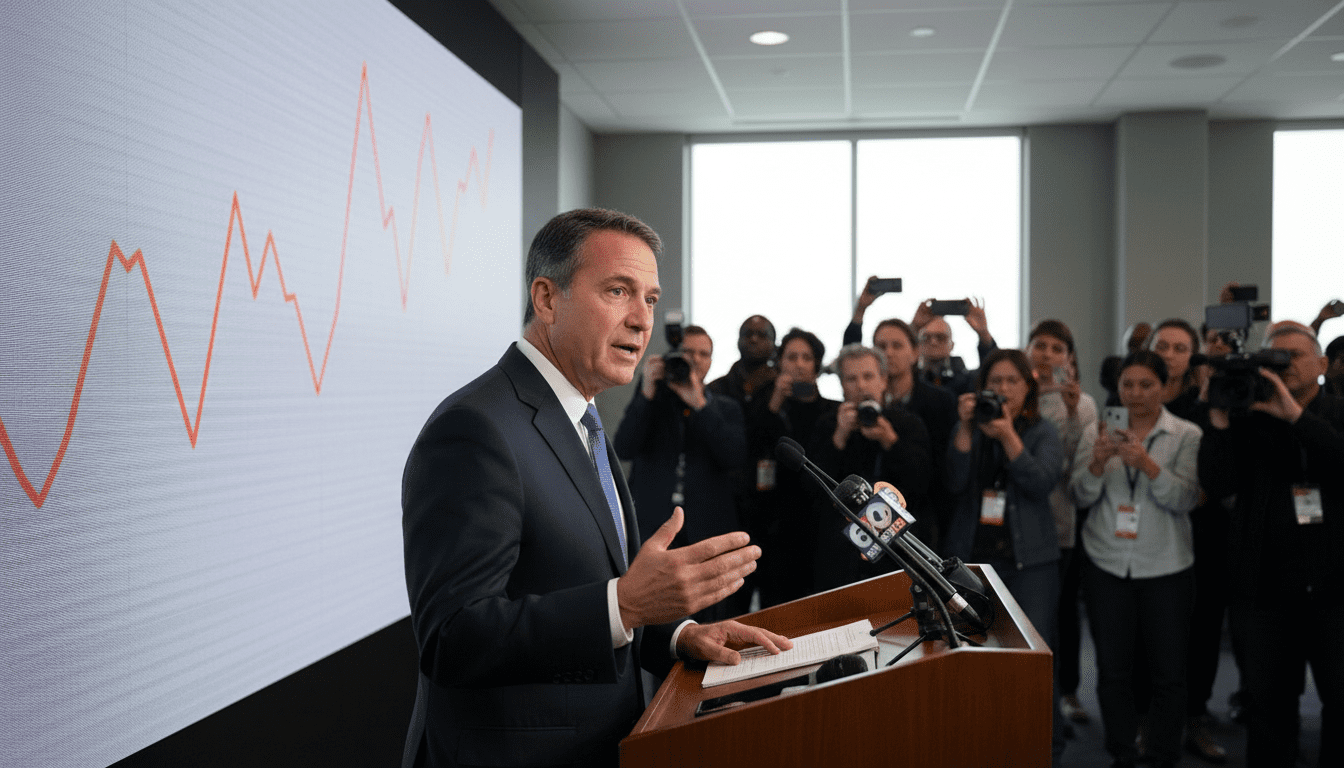
Rising ship fuel costs linked to the Iran conflict have doubled bunker fuel prices and pushed freight rates higher, a shipping official told CNN, raising concerns about broader consumer price impacts.
The increase in ship fuel costs has rippled through global trade since the conflict began, said Gene Seroka in an interview with CNN. He warned that bunker fuel prices have surged sharply and that shipping companies are passing those higher expenses on through elevated freight rates.
Seroka said the disruption has lasted about six weeks and is already creating bottlenecks in key parts of the global logistics network. He cautioned that if the situation endures, the strain could intensify across supply chains even where trade routes remain open.
War-driven bunker fuel surge
Industry sources tell a consistent story: bunker fuel, the heavy oil used by ocean-going vessels, has seen an abrupt price jump tied to geopolitical instability in the region. That spike has been the principal driver behind the reported doubling of ship fuel costs in recent weeks.
Shipping firms facing higher fuel outlays have limited options beyond adjusting schedules or adding fuel surcharges to freight contracts. Those responses translate into near-term costs that carriers argue must be passed along to cargo owners and, ultimately, consumers.
Freight rates rise as carriers shift costs
Carriers have begun to respond to higher bunker prices by raising freight rates on key shipping lanes, according to Seroka’s account. The freight-rate increases reflect both the direct cost of fuel and insurers’ elevated premiums for voyages near conflict zones.
Spot-market shippers and long-term contract holders are feeling the effects differently, but the net result is a pricier transport bill for importers and exporters. Market analysts say such rate moves typically filter into product prices over several transport cycles.
Asian ports see growing congestion
Seroka reported congestion at major Asian ports as cargoes destined for or transiting the Middle East were delayed or rerouted. Containers and bulk shipments have been held longer on loading lists, producing stacking and schedule recovery problems at busy terminals.
The congestion compounds delays already generated by pandemic-era disruptions and seasonal demand swings. Terminal operators face mounting pressure to maintain throughput while managing ship calls that arrive with altered itineraries.
Cargo rerouting raises transit times and costs
Where possible, shippers are rerouting vessels around contested waters or directing cargoes to alternative hubs, actions that lengthen transit times and increase fuel consumption. Longer voyages and detours add operating days and raise the probability of missed connections with inland distribution networks.
Rerouting also redistributes traffic across ports that may lack capacity, creating secondary bottlenecks and higher handling charges. For goods with tight delivery windows or perishable contents, these shifts can impose significant commercial penalties.
Supply chains tested beyond ports
Seroka warned that prolonged disruption could further strain global supply chains even in regions not directly adjacent to conflict zones. Increased transit costs, delays, and uncertain arrival times ripple down to manufacturers, retailers, and consumers who rely on predictable inventory flows.
Companies with lean inventory models are particularly vulnerable to such shocks, prompting some to reassess buffer stocks and alternative sourcing. The cost of such adjustments, along with shipping surcharges, tends to be reflected in consumer prices over time.
Industry outlook hinges on conflict duration
Industry executives say the outlook now depends on how long the Iran-related hostilities continue and whether insurers, ports, and carriers can stabilize routes and costs. Temporary route diversification and short-term rate adjustments may blunt immediate impacts, but sustained volatility threatens deeper price transmission.
Seroka’s remarks underline the potential for maritime fuel price movements to act as a catalyst for broader inflationary pressures if the episode persists. Shipping stakeholders are monitoring the situation closely while negotiating contract terms and contingency plans.
Global commerce remains reliant on maritime transport, and industry observers say resilience will be tested if fuel costs and operational disruptions continue to escalate. Companies and policymakers face decisions about how to shield supply chains and consumers from prolonged cost shocks while ensuring safe maritime operations.
