
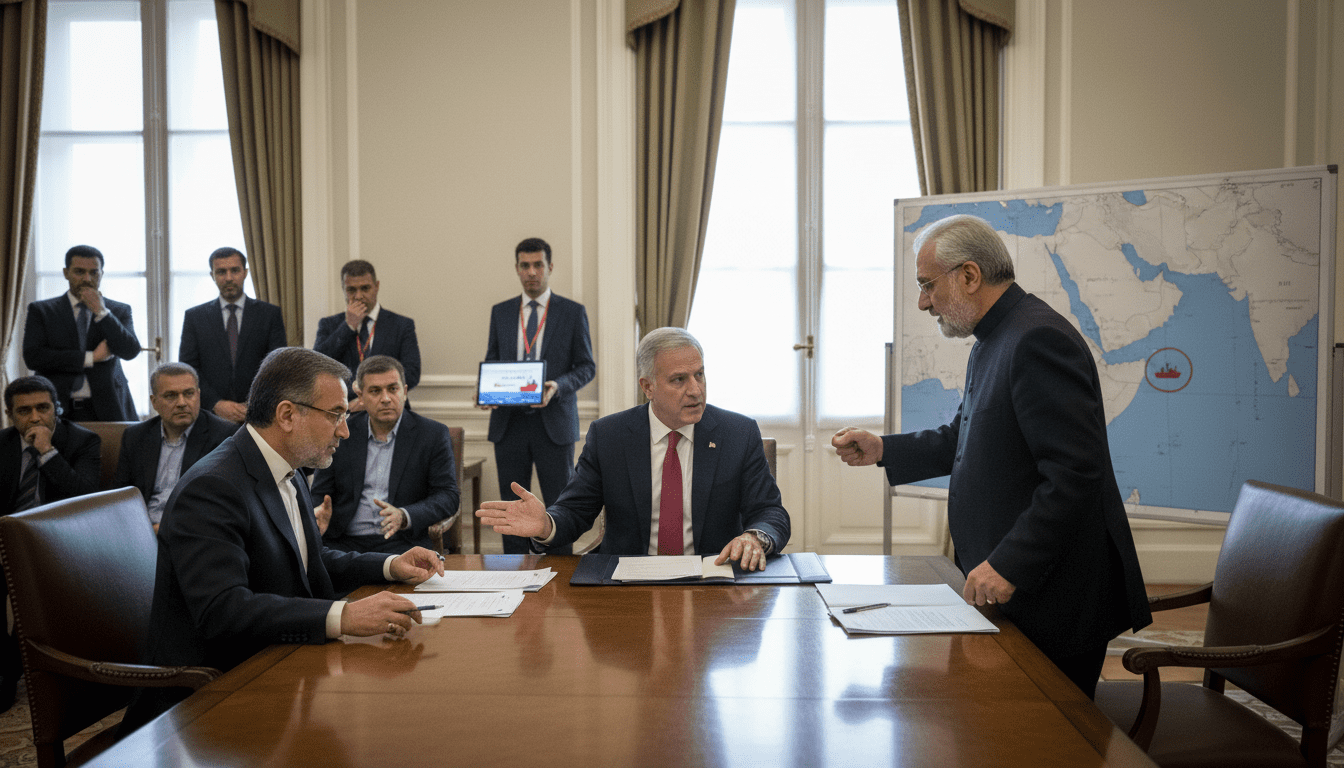
US-Iran talks imperiled after US Marines seize Iranian-flagged ship near Strait of Hormuz
US-Iran talks face collapse after US Marines seized an Iranian-flagged ship near the Strait of Hormuz; Tehran vows retaliation as ceasefire expires April 22, 2026.
The second round of US-Iran talks scheduled in Islamabad is in doubt after US Marines seized an Iranian-flagged container ship, complicating the fragile diplomacy aimed at extending a ceasefire that expires on April 22, 2026. President Donald Trump announced a US negotiating team would travel to Pakistan, but Tehran has not confirmed participation and has publicly warned of retaliation. The seizure, reported by the White House and later described by Iran’s military command as a violation, has raised the prospect that talks planned for April 20, 2026, may not proceed as hoped.
Talks imperiled as Tehran signals non-participation
Diplomats and officials said on April 19 and 20 that momentum toward a follow-up meeting in Islamabad was faltering after conflicting statements from Washington and Tehran. US leaders framed the trip as a continuation of earlier talks held in Pakistan, while Iranian state media and senior commanders indicated Tehran was not yet prepared to return to the negotiating table.
The timing is critical: the two-week ceasefire that halted open hostilities was due to lapse on April 22, 2026, and both sides face domestic pressure. Iranian outlets cited the maritime blockade, hardline rhetoric from Washington, and shifting US demands as reasons for Tehran’s reluctance to engage immediately.
US Marines seize Iranian-flagged cargo ship Touska
US officials said a guided-missile destroyer interdicted an Iranian-flagged vessel identified as Touska in the Gulf of Oman, and Marines boarded the ship after disabling its propulsion. President Trump described the operation publicly and said American forces were inspecting the vessel to determine its cargo and intent.
Iran’s Khatam al‑Anbiya joint military command accused the United States of breaching the ceasefire by opening fire on the ship and vowed retaliation. The incident has been presented in Tehran as evidence of an effective maritime blockade and as grounds for refusing further talks until security guarantees are addressed.
Pakistan’s mediating role and Islamabad summit status
Pakistan’s Prime Minister Shehbaz Sharif has positioned Islamabad as a mediator, hosting the first round of talks and speaking directly with Iran’s President Masoud Pezeshkian. Sharif told counterparts he remained ready to facilitate dialogue and shared insights from recent consultations with leaders in Saudi Arabia, Qatar and Turkiye.
Despite Pakistan’s outreach, the status of the Islamabad meeting has become uncertain as negotiators weigh Tehran’s response to the ship seizure. US officials signaled they would proceed with a delegation, but organisers acknowledged that meaningful progress would depend on Iran’s willingness to return to the table and on swift de‑escalation at sea.
Regional military moves and civilian impacts
Maritime and military activity has increased across the Gulf of Oman and the Strait of Hormuz, with Iranian forces reported to have turned back tankers and raised alarms for commercial shipping. A major French carrier confirmed warning shots were fired near one of its vessels, heightening concerns about safe passage in a key oil transit corridor.
Civilian services have been affected: Iran’s civil aviation authority announced international flights from Mashhad would resume on April 20, 2026, after disruptions earlier in the week. In Lebanon, Israeli warnings to southern communities and the reopening of damaged roads illustrate how the wider regional tension is producing localized humanitarian and security consequences.
Diplomatic responses and hardline measures
State media in Tehran reported that Iranian authorities had rejected new talks, criticizing what they described as excessive US demands and an ongoing maritime blockade. At the same time, Iranian judicial outlets reported the execution of two men convicted of collaborating with foreign intelligence services, an action that underscores the domestic stakes for Tehran’s leadership.
Regional capitals and international figures have taken varied positions: Turkiye’s foreign minister expressed guarded optimism that the ceasefire could be extended, while visiting leaders in Israel received support from allies such as Argentina’s president for a tougher posture toward Iran. These divergent responses reflect a fractured diplomatic environment that complicates unified pressure for a negotiated settlement.
Markets react as oil prices climb
Global markets reacted swiftly to the renewed hostilities and the seizure of the Iranian-flagged vessel, with oil prices rising on fears of supply disruption in one of the world’s most important shipping lanes. Equities showed some resilience, supported by hopes that diplomacy could still produce a deal before the April 22, 2026 deadline.
Analysts cautioned that sustained military incidents in the Strait of Hormuz or a breakdown of ceasefire arrangements would likely drive longer-term volatility in energy markets and increase the cost of insurance and shipping through the region.
Uncertainty now centers on whether Pakistan can salvage talks scheduled in Islamabad on April 20, 2026, and whether international pressure will prod Tehran and Washington back toward negotiation before the ceasefire expires on April 22, 2026. With both sides trading public accusations and military steps at sea, the immediate outlook for US-Iran talks is fragile and dependent on rapid diplomatic damage control.
