
Mindfulness-Oriented Recovery Enhancement (MORE) Rewires Reward Response, Cuts Opioid Cravings
UC San Diego finds Mindfulness-Oriented Recovery Enhancement (MORE) boosts natural reward response and cuts opioid cravings, offering hope for OUD care.
Researchers at the University of California San Diego report that Mindfulness-Oriented Recovery Enhancement (MORE) can restore the brain’s response to natural, healthy pleasure and significantly reduce opioid cravings. The peer-reviewed findings were published in the Journal of the American Medical Association on April 30, 2025, after a clinical study of adults with chronic pain. Investigators say the results point to a promising adjunctive therapy for people with opioid use disorder (OUD).
Key finding: MORE increases brain response to natural rewards and lowers craving
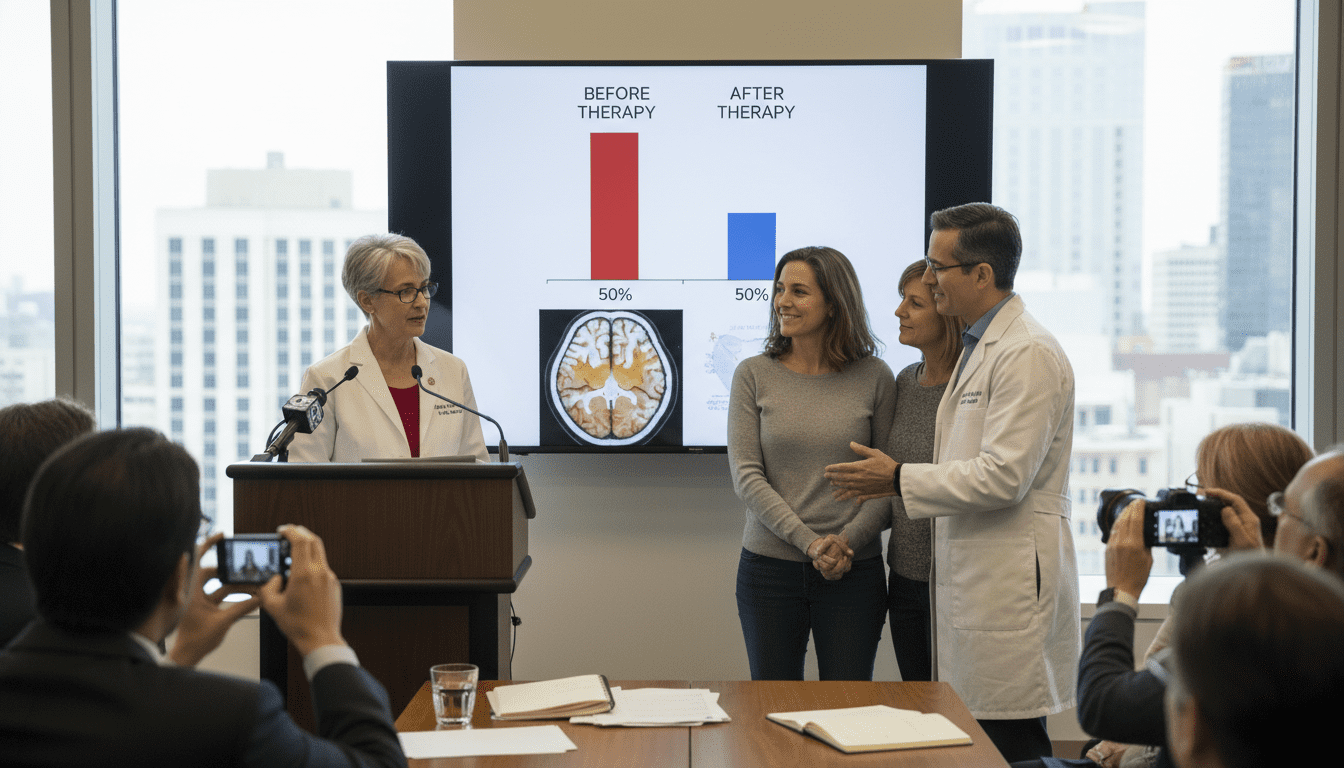
The study found that participants who received MORE showed stronger neural responses when asked to savor images of naturally rewarding stimuli, such as smiling infants, animals and scenic vistas. That increased brain activity was associated with roughly 50% lower opioid craving compared with standard supportive group therapy in the randomized subsample. Investigators interpreted the result as evidence that MORE helps repair the blunted capacity for natural pleasure that often accompanies opioid dependence.
Study design: 160 chronic pain patients with a randomized treatment arm
The trial enrolled 160 adults seeking care for chronic pain from primary care and pain clinics, including individuals both with and without diagnosed OUD. All participants completed a positive emotion regulation task and standardized questionnaires assessing mood, attention to positive experiences and craving. A prespecified subsample judged at higher risk for opioid misuse was randomized to one-on-one, eight-week MORE or to supportive group therapy and completed follow-up assessments through three months.
Mechanism observed: blunted positive emotion linked to higher craving
Researchers report that participants with OUD showed a reduced ability to amplify positive emotions when prompted to savor rewarding images, a pattern the team describes as emotional blunting. That dampening of positive affect correlated directly with higher self-reported opioid craving. After treatment with MORE, the same individuals demonstrated restored neural responsiveness to natural rewards, coinciding with measurable reductions in craving and improvements in attention to positive experiences.
Clinical context: MORE builds on two decades of trials and results
MORE, developed by Eric Garland, Ph.D., integrates mindfulness training, cognitive behavioral therapy and positive psychology exercises to address pain, emotional distress and addictive behaviors simultaneously. The therapy has been evaluated in more than ten randomized clinical trials involving over 1,000 participants, including a large trial of 250 patients published in JAMA Internal Medicine in 2022 that reported a 45% reduction in opioid misuse at nine months and substantial pain relief for half of treated patients. Additional research published in 2023 indicated that adding MORE to standard addiction care reduced relapse and treatment dropout rates.
Economic analysis and public-health implications highlighted by authors
The study authors note an accompanying economic analysis estimating large societal savings from MORE, with claims that each dollar invested could yield substantial returns through reduced overdose deaths, lower health-care utilization and improved labor participation. Investigators said the lifetime economic impact per treated person was estimated to be more than $300,000, figures the team used to argue for wider adoption of the program. Funding for the development and testing of MORE has been supported by grants from the National Institutes of Health over the past two decades, according to the research team.
Calls for broader implementation and further long-term study
Lead investigators urged policymakers, health systems and administrators of opioid-related legal settlements to consider deploying MORE more widely while supporting larger, longer-term trials. They stressed that although multiple randomized trials have demonstrated efficacy, further research is needed to confirm durability of effects, refine delivery models and assess scalability across diverse health-care settings. The authors recommended partnerships between researchers and public agencies to integrate MORE into existing pain and addiction treatment pathways.
The UC San Diego findings add to a growing evidence base that behavioral interventions focused on restoring natural reward processing can play a role in addressing opioid dependence. MORE’s combination of mindfulness and positive-emotion training appears to counteract the numbing of everyday pleasure that fuels craving, and the reported reductions in opioid-seeking behavior have prompted renewed interest in the therapy as part of comprehensive OUD care.
