
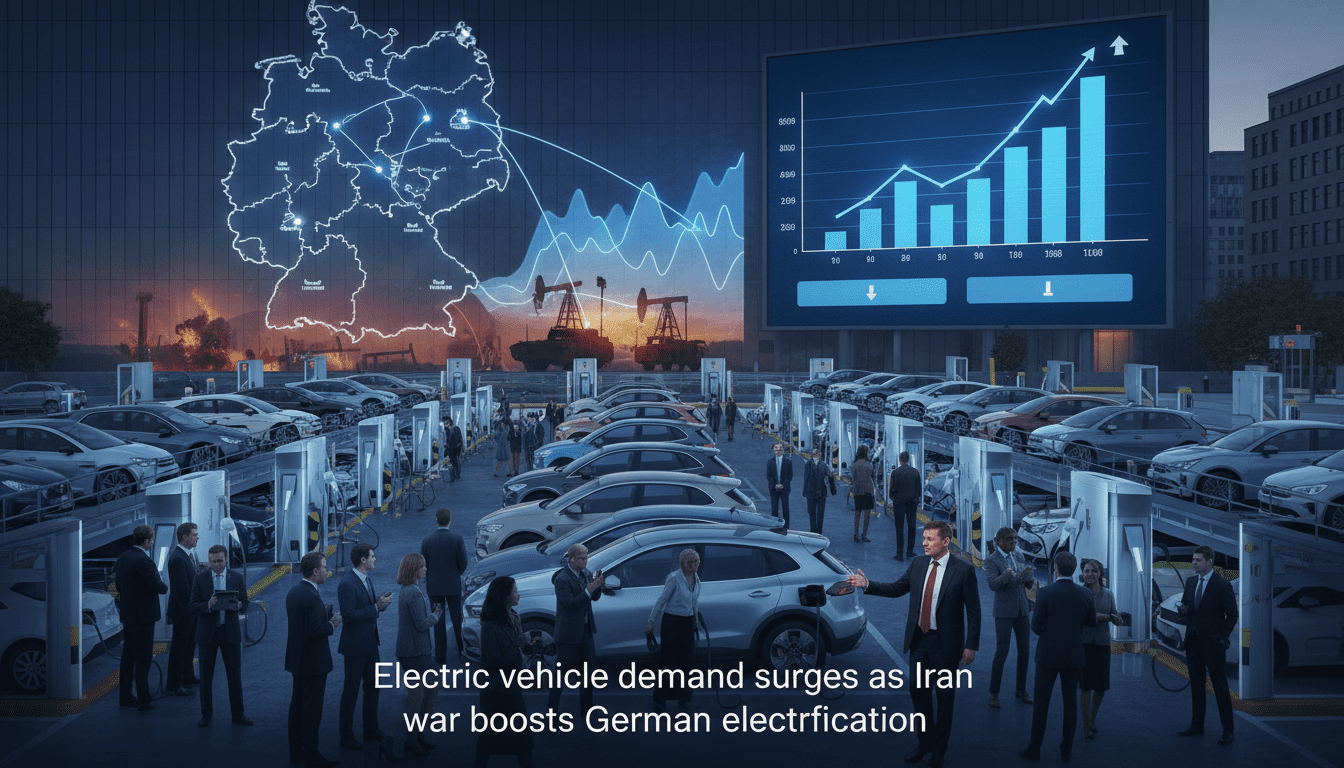
Iran conflict fuels surge in electrification as Germans increase demand for EVs, solar roofs and heat pumps
Iran conflict and high fuel prices accelerate electrification in Germany, boosting demand for electric vehicles, rooftop solar and heat pumps among consumers.
Consumers signal shift toward renewables, Eon survey finds
A large German energy provider reports growing public interest in renewable energy amid the conflict in Iran and elevated fossil fuel costs. Eon commissioned a representative YouGov survey in mid-March showing two-thirds of respondents expect renewables to gain importance, a signal that electrification is gaining traction among households.
Eon’s sales chief says this changing sentiment is translating into concrete inquiries and purchases, and the company sees the momentum as evidence that consumers are prepared to invest in decentralized energy solutions. Energy firms and market researchers interpret the survey as an indicator that concerns about supply volatility and prices are nudging longer-term choices.
Home charging and rooftop solar enquiries spike since crisis began
Energy companies report sharp increases in interest for technologies that reduce reliance on petrol and gas. One major supplier says demand for home EV chargers has risen by roughly 45 percent since the conflict began, while inquiries for photovoltaic systems have nearly doubled compared with previous months.
Small climate-tech installers and startups corroborate the trend: several firms report that March and April enquiries for rooftop solar and heat pumps roughly doubled versus earlier in the year. Business owners caution the surge is real although not as frenzied as the immediate aftermath of the 2022 Ukraine war, when orders outstripped supply and created shortages.
Trade bodies warn recovery is modest and uneven
National solar associations and craft federations urge caution, noting the recent uptick starts from a subdued base. Preliminary industry data show home PV additions in March about ten percent higher than the same month last year, but that comparison follows a weak month and comes after a two-year slump of roughly 40 percent in demand.
Craft and installer groups describe a springtime revival typical for the sector and welcome steadier business, but they warn that a sustained recovery will depend on policy stability and continued consumer confidence. Associations also point to regulatory shifts and subsidy changes that have created uncertainty for some households weighing investments.
Record EV registrations in March, but causality remains uncertain
March saw an unprecedented monthly total of battery-electric car registrations, with nearly 71,000 new BEVs recorded and year-on-year growth in that month of about 66 percent. Electric models accounted for roughly one quarter of new car registrations in March, while hybrid vehicles continued to make up a substantial share of newly registered cars.
Automakers’ associations caution against interpreting registrations as an immediate reflection of consumer reaction to the conflict, noting the lag between ordering and registration often spans months. Industry analysts say some of the recent growth is likely linked to a new government subsidy for electric vehicles announced in January and due to be applied retroactively from the start of the year.
Cost comparisons widen case for home charging despite higher wholesale gas prices
Comparison platforms find that, at current prices, the cost to run petrol cars is multiple times higher than battery-electric vehicles when owners charge at home. One major comparison site calculated that mid- and upper-class petrol vehicles incur roughly three times the per-kilometer drive cost of comparable BEVs when charging at private premises under current market conditions.
Analysts point out that rising gas prices can push up wholesale electricity costs and may eventually raise grid charging prices, but they expect fuel price spikes to have a faster near-term effect on consumer costs. For households with rooftop solar, the economics of electrification become even more favorable because self-generated power reduces dependence on market-priced electricity.
Heat pump demand surges but policymakers urged to sustain incentives
Applications for heating subsidies show a sharp increase for heat pumps, with roughly 33,500 funding requests filed in March — about 30 percent more than in February and almost 50 percent more than in January. Heat-pump industry representatives say the crisis has prompted many homeowners to accelerate plans to electrify heating as a hedge against volatile gas markets.
At the same time, industry leaders warn the spike may be temporary if subsidies or stable regulatory frameworks are not maintained. They call on policymakers to avoid short-term decisions that could undermine longer-term investments in building electrification and to ensure clear rules for incentives so installers and consumers can plan with confidence.
The unfolding response in Germany to higher fuel and energy prices shows a measurable but cautious pivot toward electrification across transport, rooftops and heating. While survey data and company reports point to a growing appetite for EVs, solar panels and heat pumps, industry groups stress that sustained momentum will depend on durable policy support, stable incentives and the duration of energy-market volatility.
