
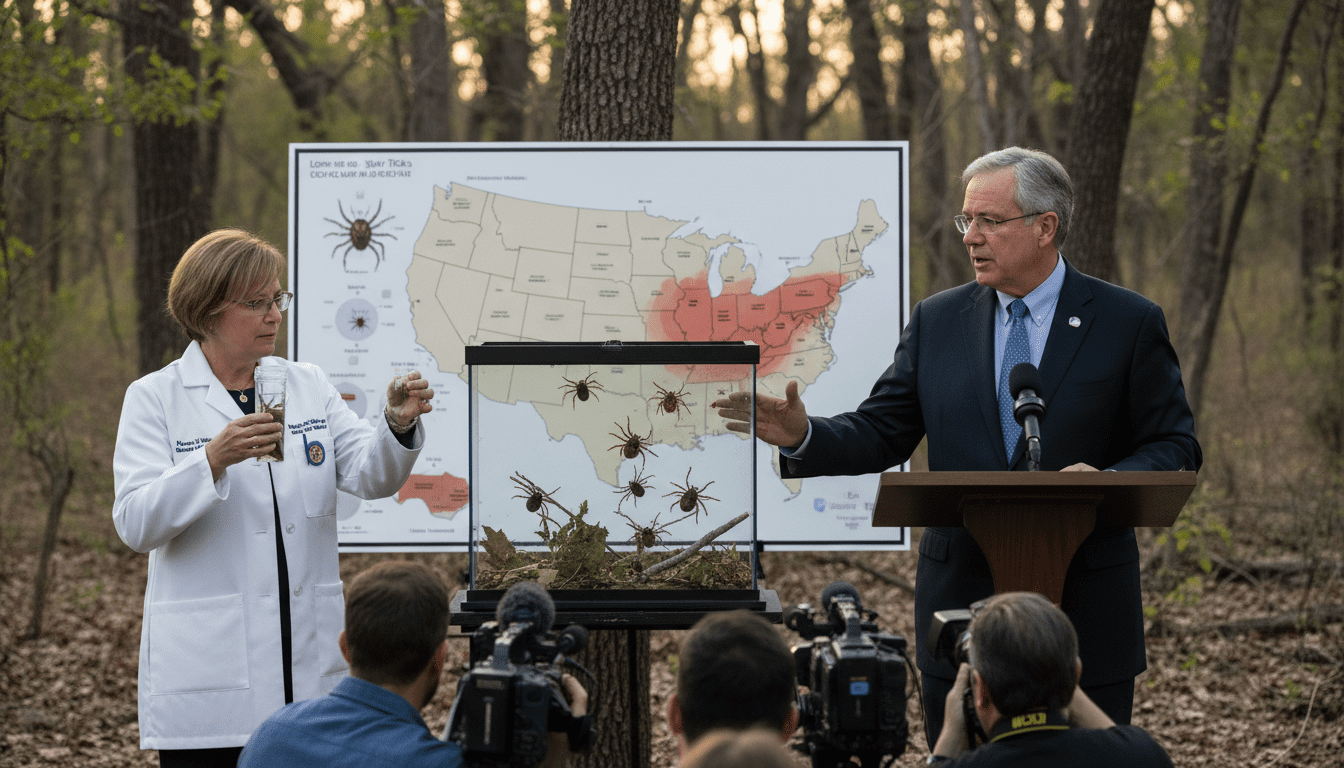
Lone star tick range expands northward, raising disease and alpha‑gal allergy concerns
Lone star tick expansion raises public health concerns over diseases and alpha-gal meat allergy. Read expert guidance on symptoms, removal, and prevention.
The lone star tick is spreading beyond its historic strongholds and presenting new health risks to communities across the eastern United States. Public health officials and clinicians are watching a rise in bites linked to viral and bacterial infections as well as the unusual alpha‑gal meat allergy. Outdoor workers, pet owners, and anyone spending time in brushy or wooded areas are being urged to take prevention and detection steps.
Range Expansion Across Eastern US
Adult female lone star ticks are identifiable by a single white spot on their brown backs while males lack that marking and are slightly smaller. Once mostly confined to the Southeast, the species has extended its distribution from central Texas and Oklahoma across southern states and up the Atlantic seaboard into the Northeast.
These ticks are active from spring into late summer, with peak activity typically between April and mid-September. Their life cycle can span roughly three years and they feed at every stage, making environmental presence persistent where deer and other mammals are common.
Diseases Linked to Lone Star Tick Bites
Unlike blacklegged ticks that transmit Lyme disease, lone star ticks have not been shown to carry Borrelia burgdorferi. They are associated with other serious pathogens including Bourbon virus, Heartland virus, monocytic ehrlichiosis, Rocky Mountain spotted fever, and southern tick-associated rash illness.
Symptoms and incubation periods vary by pathogen but commonly include fever, headache, fatigue, body aches, nausea, and sometimes rash. Prompt medical evaluation is advised when fever or unusual symptoms occur after a tick bite, since some infections require specific antiviral or antibiotic treatment.
Alpha‑gal Allergy and Delayed Meat Reactions
A distinct risk from lone star tick bites is the development of an alpha‑gal allergy, an immune response to a sugar molecule acquired from mammalian blood during feeding. The bite can trigger production of IgE antibodies to alpha‑gal, which may later cause allergic reactions to mammalian meats and products such as beef, pork, lamb, dairy, and gelatin.
Reactions are often delayed, occurring several hours after ingestion, and can range from stomach upset and hives to severe anaphylaxis in rare cases. Diagnosis is made by identifying alpha‑gal specific IgE in the blood and managed by eliminating trigger foods and carrying emergency medication when recommended by a clinician.
Recognizing a Bite and When to Seek Care
Many people do not notice a lone star tick bite because the insects are small and move quickly across skin and clothing. Look for an attached tick, a spreading rash, unexplained fever, or flu-like symptoms within days to weeks after an outdoor exposure.
If a rash, fever, or other concerning symptom develops after a suspected bite, seek medical evaluation and mention the exposure to ticks. Clinicians can order targeted tests for tickborne infections and for alpha‑gal antibodies when allergic symptoms follow consumption of mammal-derived foods.
Proper Tick Removal and Disposal
Remove an embedded tick promptly using fine-tipped tweezers or a purpose-built removal tool, grasping as close to the skin as possible. Apply steady, even pressure to pull the tick straight out without twisting, then clean the area and wash hands with soap and water or use rubbing alcohol.
Dispose of the tick by flushing it, sealing it in a bag, wrapping it in tape, or placing it in alcohol rather than crushing it by hand. If mouthparts are left behind, attempt careful removal with tweezers and monitor the site; consult a healthcare provider if signs of infection appear.
Prevention for Outdoor Activities and Pets
Reduce risk by avoiding high grass and dense undergrowth where lone star ticks quest for hosts and by treating clothing and gear with permethrin products according to label instructions. Wearing light-colored clothing, tucking pants into socks, and choosing trails away from brush can also lower the chance of ticks attaching.
After outdoor activity, perform a full-body check including armpits, behind knees, the scalp and ears, the groin, and the navel, and be sure to inspect pets and their bedding. Showering within two hours and laundering outerwear in hot water followed by high-heat drying have both been shown to reduce the likelihood of tickborne illness.
As the lone star tick moves into new areas, awareness and consistent prevention are the best defenses against infection and the potentially life-changing alpha‑gal allergy. If you find a tick attached or experience symptoms after an exposure, seek medical advice promptly and follow recommended removal and reporting steps to protect yourself and others.
