
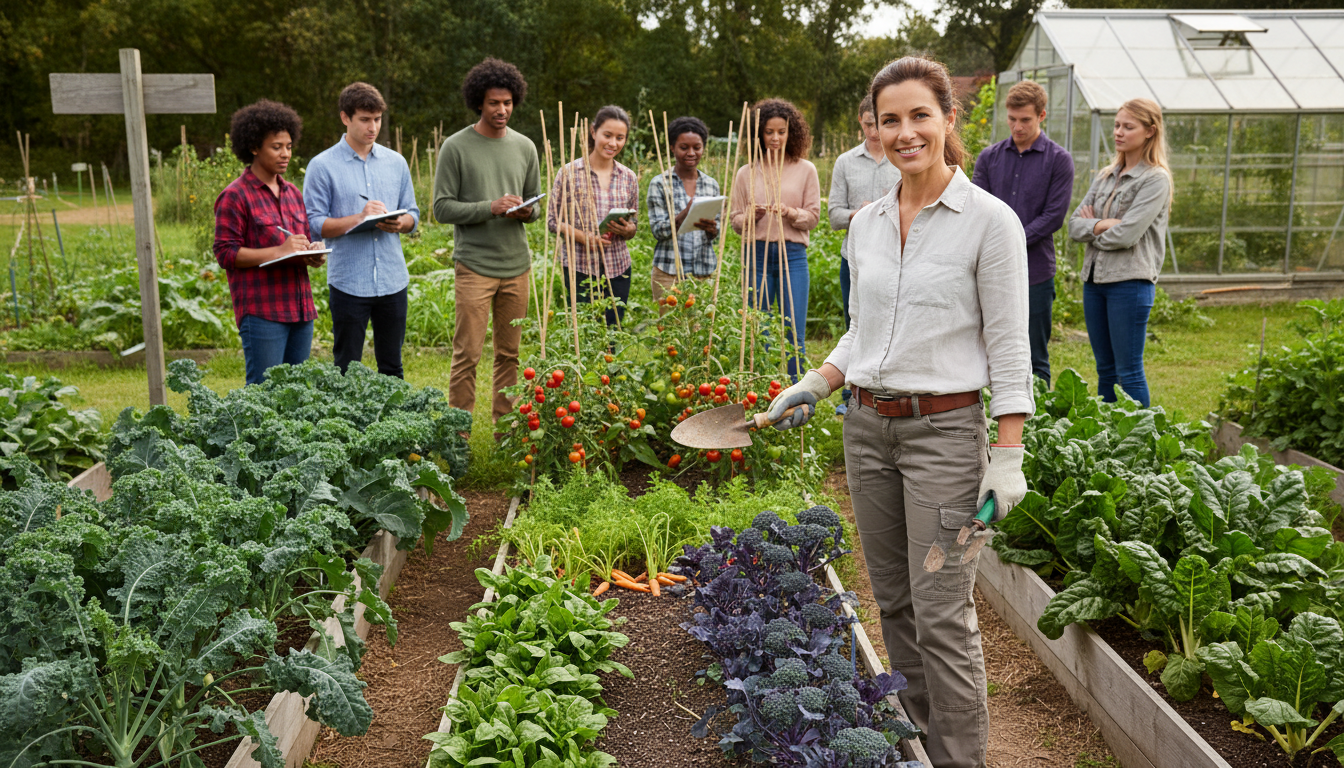
May 19 World Plant a Vegetable Garden Day Encourages Beginners to Start a Vegetable Garden
Plant a vegetable garden this spring: six easy crops for beginners, step-by-step planting and care tips, and expected harvest timelines for home cooks.
As World Plant a Vegetable Garden Day arrives on May 19, community groups and gardening centers are urging homeowners and apartment dwellers to try a vegetable garden this season. The idea is simple: growing your own vegetables improves access to fresh produce and reduces trips to the store. For new gardeners, six reliable crops offer a quick path to success and steady harvests through the summer.
May 19 Pushes Backyard and Small-Space Gardening
Organizers of the May 19 observance have framed the day as a prompt to get hands dirty and start small. The campaign targets people with yards and those with only balcony or window-box space, stressing that even modest containers yield meaningful harvests. Public workshops and local nurseries often use the date to promote seedlings, soil mixes, and short how-to clinics.
Community interest in homegrown vegetables has risen in recent years, driven by health and sustainability concerns. Growing vegetables at home also creates opportunities for neighborhood exchanges and backyard surplus sharing. For beginners, timing planting around late spring’s milder nights can improve seedling survival and speed initial growth.
Six Vegetables Suited to First-Time Gardeners
Gardeners looking for dependable starts should consider bell peppers, carrots, cucumbers, green beans, spinach, and tomatoes. These six vegetables combine straightforward cultural needs with good nutritional value and relatively predictable harvest windows. All can be grown in garden beds, raised beds, or appropriately sized containers with the right soil and sunlight.
Each crop offers specific advantages: peppers and tomatoes deliver high vitamin content and versatile use in the kitchen, carrots and spinach pack fiber and micronutrients, while cucumbers and green beans provide rapid yields that reward beginner attention. Selecting a mix lets new gardeners spread risk and enjoy a continuous supply rather than a single burst.
Planting Basics: Sunlight, Soil and Spacing
Site selection is the first decision for any vegetable garden; most of these crops prefer full sun, defined as six to eight hours daily. Prepare well-drained, fertile soil by adding compost or a balanced organic fertilizer and loosen compacted earth to aid root growth. Good spacing reduces disease and allows airflow — follow recommended distances to avoid overcrowding.
As a practical guide, space bell peppers about 10–15 cm (4–6 in) apart, carrots roughly 7–8 cm (3 in), cucumbers about 30 cm (12 in), green beans 15 cm (6 in), spinach 20 cm (8 in), and tomatoes around 45 cm (18 in). Consistent moisture is critical during establishment; water deeply and less often rather than frequent shallow watering to encourage strong root systems.
Care Notes for Bell Peppers, Carrots and Cucumbers
Bell peppers thrive in very sunny spots and benefit from evenly moist soil and warmth; seedlings planted in late spring typically produce pods in 60–80 days. Carrots prefer loose, stone-free soil and may tolerate partial shade; thin overcrowded seedlings to keep roots full and ready after roughly 60–80 days. Cucumbers grow quickly in warm, sunny sites and can be trained on a trellis to save space, with most varieties harvestable in about 50–65 days.
Avoid overfertilizing carrots, which can lead to forked roots, and monitor peppers for signs of heat stress or inconsistent watering that can cause blossom drop. For cucumbers, regular harvest encourages further fruiting; remove overripe fruit promptly to maintain vigour. Mulch around these crops to reduce weeds and conserve soil moisture during hot spells.
Growing Green Beans, Spinach and Tomatoes Successfully
Green beans are forgiving and come as bush varieties for smaller spaces or pole types that use vertical supports, with harvests typically beginning around two months after planting. Spinach is a cool‑season leafy crop that matures quickly — usually within 40–50 days — and can be succession‑planted for several harvests. Tomatoes need bright sun and consistent water; most seedlings begin producing ripe fruit in roughly 60–90 days depending on variety.
For beans and tomatoes grown vertically, sturdy trellises or cages improve airflow and simplify picking. Spinach bolts in heat, so sow early spring or late summer in cooler climates and shade plants slightly if temperatures rise. Regularly inspect these crops for common pests such as aphids or slugs and manage them with manual removal or organic controls when needed.
Harvest Expectations and Practical Tips for New Gardeners
New gardeners should expect staggered harvests rather than a single moment of abundance: leafy greens can be cut selectively, beans and cucumbers produce repeatedly, and root crops and fruiting plants yield on their own schedules. Label seedlings with planting dates to track maturity windows and check plants regularly for water stress or nutrient needs. Using quality potting mix in containers and rotating planting locations each year can help maintain soil health.
Start with a manageable patch or a few large containers, keep records of what succeeds, and adjust varieties or techniques the following season. Local extension services and garden centers can offer region‑specific guidance on frost dates and cultivar choices suited to your microclimate.
Homegrown vegetables provide notable improvements in flavor and freshness, and starting a vegetable garden now gives beginners a straightforward route to more nutritious meals and outdoor activity. With six easy crops and attention to sun, soil, spacing, and watering, first‑time growers can expect rewarding results within weeks to months and likely expand their garden in future seasons.
