
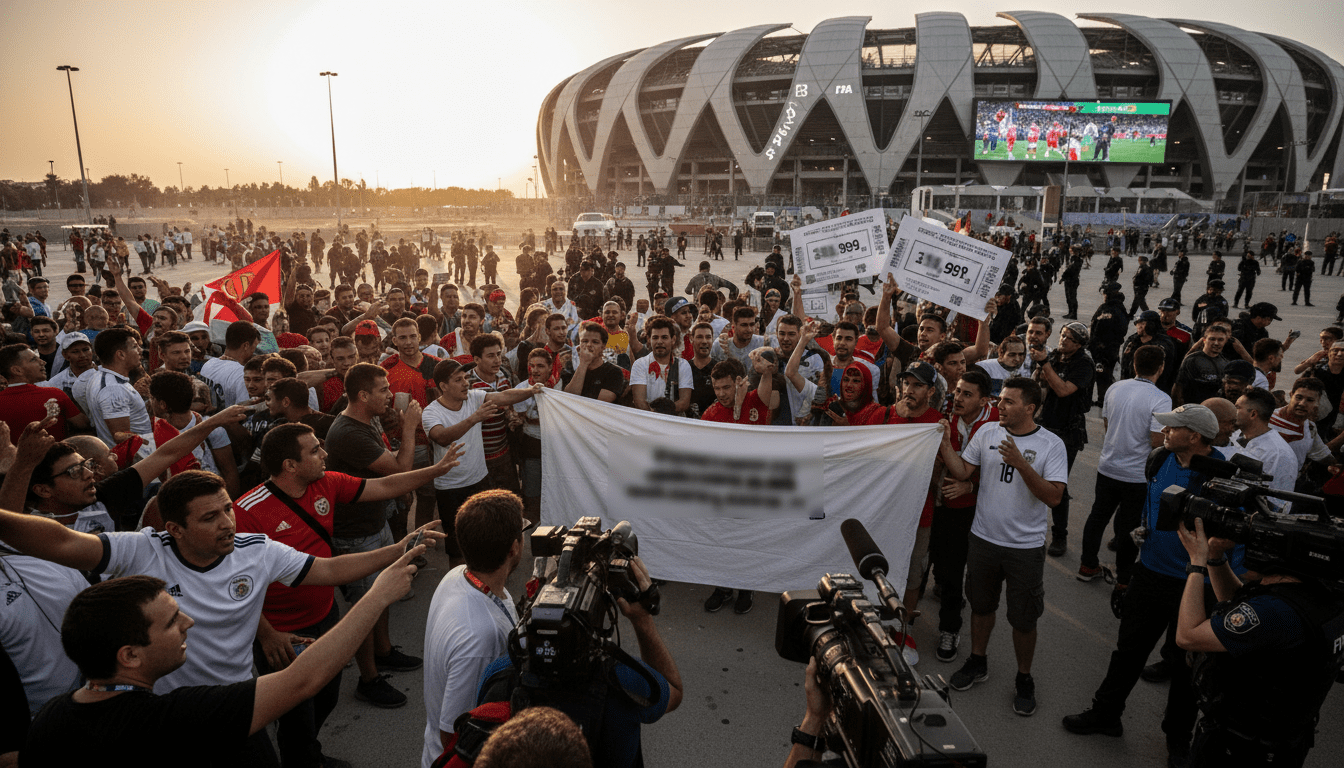
World Cup ticket prices surge as fans face sky-high fees and hidden costs
Exploring soaring World Cup ticket prices: seats remain available but dynamic pricing, travel and venue fees push total costs into the thousands for many fans.
The World Cup ticket prices for several matches have reached levels that put a family trip out of reach for many supporters, even though seats remain on sale. Reports show a last-group match featuring Germany listed at roughly $2,124 for a single ticket in the highest seating tier, while ancillary costs for travel, parking and concessions can add substantially to the final bill. The discrepancy between ticket availability and affordability has renewed debate over FIFA’s pricing practices and the broader commercialization of international football.
Tickets available but prohibitively expensive
Tickets for marquee matches are still being sold through official channels and resale platforms, yet the headline prices are now a major barrier. Fans can, in principle, buy seats for family groups, but those are often in upper-tier sections where visibility is limited and prices are exceptionally high. The pattern of availability coupled with steep cost has left supporters questioning whether access has been preserved in name only.
Hidden travel and venue expenses inflate total cost
Beyond the ticket itself, fans face a cascade of additional expenses that transform a match day into a costly outing. Commuting between cities, premium parking at stadiums and inflated local transport fares have pushed total trip costs into the hundreds or thousands of dollars. Even routine purchases such as food and drink at venues now carry a premium, further eroding affordability for ordinary supporters.
Dynamic pricing and entertainment-industry parallels
Observers note that football’s pricing strategy increasingly mirrors models long used in the wider entertainment sector. Dynamic pricing for live events and high-end seat premiums have become commonplace at major concerts and sports shows, contributing to multi-thousand-dollar ticket outlays for flagship events. This shift reflects a broader trend of treating international sporting tournaments as large-scale entertainment spectacles that maximize revenue rather than prioritize fan access.
FIFA’s role and questions over transparency
FIFA, as the tournament organizer, holds significant control over ticket allocation and pricing policies, raising questions about transparency and fairness. Critics argue that clearer, more consumer-friendly pricing models could preserve broader access while still generating necessary revenue. Calls for disclosure of how ticket inventory is allocated and how dynamic pricing is determined have grown louder amid evidence of rapidly escalating prices for even modest seating locations.
Host cities, legacy planning and local benefits
Local organizers and host cities also have levers to influence the fan experience and lasting community benefits from staging matches. Proposals include coordinated transport pricing, affordable local ticket blocks for residents and reinvestment plans that extend infrastructure gains beyond the tournament. Without such measures, critics warn that the economic windfall for hosts will not offset the social and cultural costs of excluding typical fans from attending.
Visa, entry rules and economic barriers for international supporters
For international fans, the cost equation can include more than travel and tickets: visa processes and entry requirements sometimes add significant financial burdens. Reports of high deposit requirements or onerous procedures for certain nationalities have compounded the affordability crisis, effectively limiting which supporters can realistically attend. Those barriers risk turning a global sporting celebration into an exclusive event for those with substantial means.
Final choices about ticket models and fan protections will shape public perceptions of the tournament long after the final whistle. Balancing revenue needs with equitable access requires concrete measures from FIFA, host authorities and venue operators, including clearer pricing rules, targeted affordability programs and coordinated transport and hospitality plans. Without such steps, the World Cup risks being remembered less for sporting drama and more for the financial strain placed on the fans who make it possible.
