
What to Do in Berlin on Monday — practical plans when many museums are closed
What to do in Berlin on Monday: open museums, river walks, panoramic views and practical advice to build a full day when many attractions are closed and more.
Berlin’s reputation for closed museums on Mondays is real, but the city still offers a full roster of experiences for visitors. If you are wondering what to do in Berlin on Monday, this guide lays out practical choices — from open museums and memorials to parks, viewpoints and tours — so you can plan a satisfying itinerary. The focus here is on attractions and activities that operate on Mondays and on how to combine them into a coherent day of sightseeing.
Which major sites are closed and which stay open
Many of the institutions clustered around Museum Island and other major collections close on Monday, so the first practical step is to check opening days before you set out. That said, several signature Berlin landmarks and government buildings remain accessible or offer outdoor experiences even on their quieter weekday. Plan your morning and afternoon with a mix of outdoor visits, bookable indoor attractions, and flexible options such as walking routes or boat trips.
Booking and timed-entry tickets save time on busy days: reserve entry slots where possible and bring photo ID for security checks at government sites. Public transport runs reliably on Mondays; use S‑ and U-Bahn lines for fast transfers and allow extra time if you’re visiting popular stops like Alexanderplatz or Potsdamer Platz. If you have a spare Monday in Berlin, think of it as an opportunity to see the city’s public spaces, monuments and contemporary museums that deliberately stay open at the start of the week.
Riverside walks, wall art and accessible monuments
One of the easiest ways to fill a Monday in Berlin is to follow the Spree and explore open-air attractions that never close. The East Side Gallery — the longest remaining open-air stretch of the Berlin Wall — runs for over a kilometre along the river and is available 24/7 for visitors to view the murals and reflect on the city’s history. Nearby riverside promenades, cafes and street art in Friedrichshain make this a naturally informal, daytime itinerary.
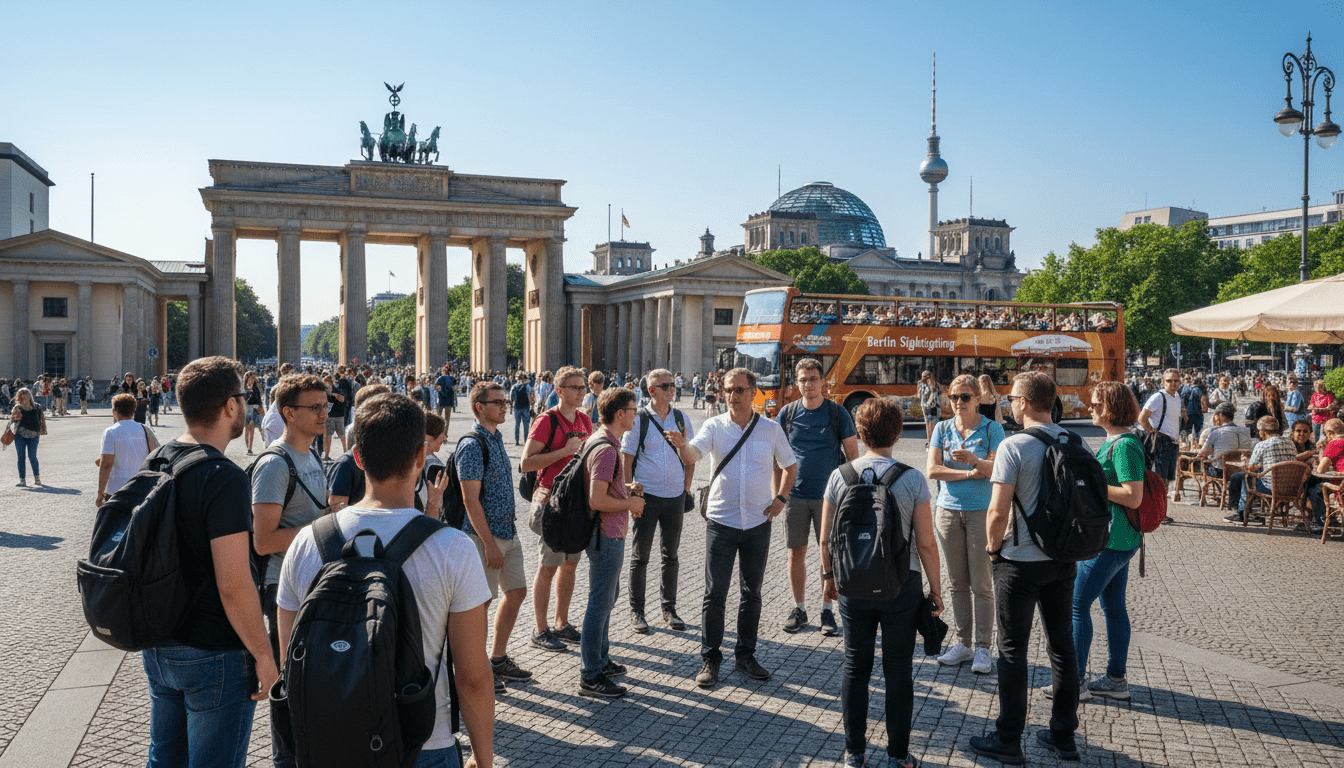
Pariser Platz and Brandenburg Gate are public spaces and can be visited at any hour, which makes them reliable anchors for a Monday route. After a stop at the gate, walk along Unter den Linden toward the Spree, taking in memorials and historic façades as you go. If the weather is fair, opt for a bank-side picnic or a café terrace to combine people-watching with sightseeing.
For a longer outdoor option, the former airport fields of Tempelhof provide wide-open space for cycling, rollerblading or a leisurely stroll along runways that are now public parkland. The runway park is ideal for families and groups who want to stretch their legs without worrying about museum opening times.
Panoramic viewpoints that welcome visitors on Monday
If you want high, unobstructed views, several observation points in Berlin operate on Mondays and deliver distinct perspectives of the city. The TV Tower at Alexanderplatz offers a 360-degree viewing platform and a revolving restaurant; priority tickets booked in advance reduce queuing and can make a morning or late-afternoon slot much more efficient. For closer views of the tower itself and the surrounding square, the Park Inn hotel viewing platform is another Monday-friendly option near the heart of the city.
Panoramapunkt at Potsdamer Platz is known for its fast elevator and compact but sweeping panorama of central Berlin; it’s a practical choice if you want a quick, elevated orientation. Further west, the Victory Column in Tiergarten provides a different skyline: the climb rewards visitors with long sightlines across green spaces and monuments, and is an especially good option on a clear day.
Combine a viewpoint with nearby attractions: start at a high point for orientation, then descend into a neighborhood for lunch, a river walk or a museum that’s open on Monday. This approach turns one spectacular view into the backbone of a flexible and efficient day.
Memorials and historical sites accessible on Monday
Berlin’s outdoor memorials and several key historical sites remain accessible even when indoor museums are closed, which makes them essential components of any Monday plan. The Memorial to the Murdered Jews of Europe is an open-air field of concrete stelae that visitors can walk through at any hour; the outdoor space is free to enter and is paired with an information center that may have reduced hours, so factor that in if you want to see the exhibits. Similarly, the Topography of Terror memorial covers an outdoor historical footprint alongside an indoor exhibition and is a durable stop for a thoughtful visit.
Checkpoint Charlie’s outdoor display and the remaining wall fragments at Bornholmer Straße are both publicly visible and provide contrasting ways to engage with Cold War history without relying on museum hours. For a deeper, guided look into the East German regime, the Stasi Museum and the Hohenschönhausen Memorial operate on Mondays and offer tours that explain surveillance, repression and the lived experience of the GDR. These sites require more time and emotional attention, so schedule them into a quieter part of your day.
If you prefer a somber day trip, Sachsenhausen Concentration Camp is open on Mondays and is reachable from the city as a full-day excursion; the memorial site and outdoor grounds provide a necessary and educational experience about 20th-century history, though guided tours and exhibition access are recommended for context.
Museums and interactive attractions operating on Monday
Not all museums are closed on Mondays: a number of focused and interactive institutions deliberately remain open to serve visitors at the start of the week. The DDR Museum offers hands-on exhibits about East German daily life and typically runs daily opening hours, making it a good Monday option for families and first-time visitors who want an immersive orientation to the GDR period. The Computerspielemuseum caters to gaming history and playable displays and is popular with younger visitors and enthusiasts alike.
Contemporary cultural hubs such as the Humboldt Forum maintain Monday opening hours for large parts of their permanent displays, though special exhibitions can require timed tickets. The Futurium — a museum about futures and technology — and the German Spy Museum are examples of museums that combine educational content with interactive elements and stay open on Mondays. Booking skip-the-line or timed-entry tickets for these attractions will often save waiting time and let you plan a compact itinerary that blends indoor and outdoor stops.
Free or low-cost memorial museums such as the Topography of Terror and some sections of the Jewish Museum have Monday hours for selected exhibits, so check specific opening times if your plan depends on visiting an indoor show. For the Reichstag dome and terrace, pre-registration is mandatory and security checks require official identification, but the rooftop access is usually available every day and constitutes a free, bookable experience that aligns well with a Monday schedule.
Green space, cycling routes and short excursions to extend the day
If you prefer to calibrate a Monday in Berlin with fresh air and physical activity, the city has abundant green corridors and well-served cycling routes. The Grunewald forest and the lakes to the southwest offer marked trails for hiking and longer country-style walks that contrast sharply with the urban centre. For a city-based green day, Tiergarten provides tree-lined paths, memorials and quiet corners that are ideal for a longer Monday stroll.
Bike rental shops and guided cycling tours operate daily and can turn a single day into a fast, neighbourhood-focused exploration of Kreuzberg, Friedrichshain and Prenzlauer Berg. A guided bike tour often combines local history with food and street-art stops, which is especially useful on Mondays when several formal museums are unavailable. If you travel by public boat, sightseeing cruises on the Spree run on Mondays and offer a different perspective on the city’s architecture and riverside history; winter timetables may be reduced, so factor seasonality into your plan.
Shopping districts and department stores reopen on Mondays after the Sunday closures that affect retail in Germany. High-street avenues such as Kurfürstendamm and larger department stores are practical options for afternoon shopping and for experiencing Berlin’s culinary diversity in food halls and market stalls. In the evening, relax in one of Berlin’s many beer gardens or craft-beer bars; these venues provide local atmosphere and are reliable options to end a productive Monday in the city.
Practical timing and a sample Monday plan
To turn these options into a single, workable day, consider the following template which balances time, travel and variety. Start mid-morning at an elevated viewpoint such as the TV Tower or Panoramapunkt to get a sense of the city and avoid the earliest lines. Move on to the East Side Gallery or a riverside stroll for a late-morning outdoor session and a casual lunch at a nearby café.
In the afternoon choose one substantial indoor visit that is open on Monday — for example, the DDR Museum, the Computerspielemuseum, or a booked Reichstag dome visit — and combine it with a memorial or open-air historic site. If you prefer slower pacing, substitute an extended park visit to Tempelhof or a hike in Grunewald. Finish the day with a boat tour or a neighborhood food tour that takes you through local markets, then close the evening in a beer garden or a craft-beer bar to sample Berlin’s convivial nightlife.
Tips for families and travelers with mobility constraints
Families will find interactive attractions and green spaces particularly accommodating on Mondays. Institutions with hands-on exhibits, playgrounds in parks like Tiergarten and easily accessible boat tours are family-friendly alternatives to large museums. Many of the museums that stay open on Mondays provide elevator access and step-free entry; however, historic sites such as the Victory Column require stair climbs, so plan substitutions for visitors who need accessible options.
When travelling with limited mobility, book attractions in advance and confirm lift access, reserved seating and shorter entry queues. Public transport in Berlin is generally barrier-free on main lines, but some older stations still have limited elevator coverage; check station accessibility if you plan multiple transfers. Guided tours and small-group experiences often accommodate special needs with notice, and museum staff can usually provide alternatives for reduced-mobility visitors.
Practical booking, tickets and local transport advice
Advance reservations matter on Mondays as much as on weekend days for popular paid attractions. The Reichstag dome requires registration and ID, and the TV Tower benefits from priority tickets to avoid long queues. Museums with interactive exhibits often publish timed-entry tickets, and buying online tends to be the quickest way to secure an ideal slot.
Berlin’s public transport tariff zones and the BVG network make single-day travel simple; a day pass covers most sightseeing on S‑ and U‑Bahn, tram and bus lines. Cycling and bike-share systems provide flexible last-mile options for short hops between attractions and are widely used by residents and visitors alike. If you rely on ride services, allow for extra travel time during rush hours around central hubs.
Final practical notes and responsible sightseeing
When planning what to do in Berlin on Monday, combine open-air memorials, viewpoints and a handful of accessible museums to create a varied and meaningful day. Respectful behaviour at memorial sites and museums is important: take time to read information panels, avoid disruptive photography in sensitive areas and follow on-site guidance. Weather can change quickly; have a rain plan that swaps an outdoor stretch for an indoor interactive museum or a food market visit.
Berlin rewards visitors who mix big landmarks and low-key local experiences. On a Monday, when some of the city’s largest collections are closed, you can still build a rich day of history, architecture, green space and local food — and come away with a rounded impression of the city’s character and resilience.
