
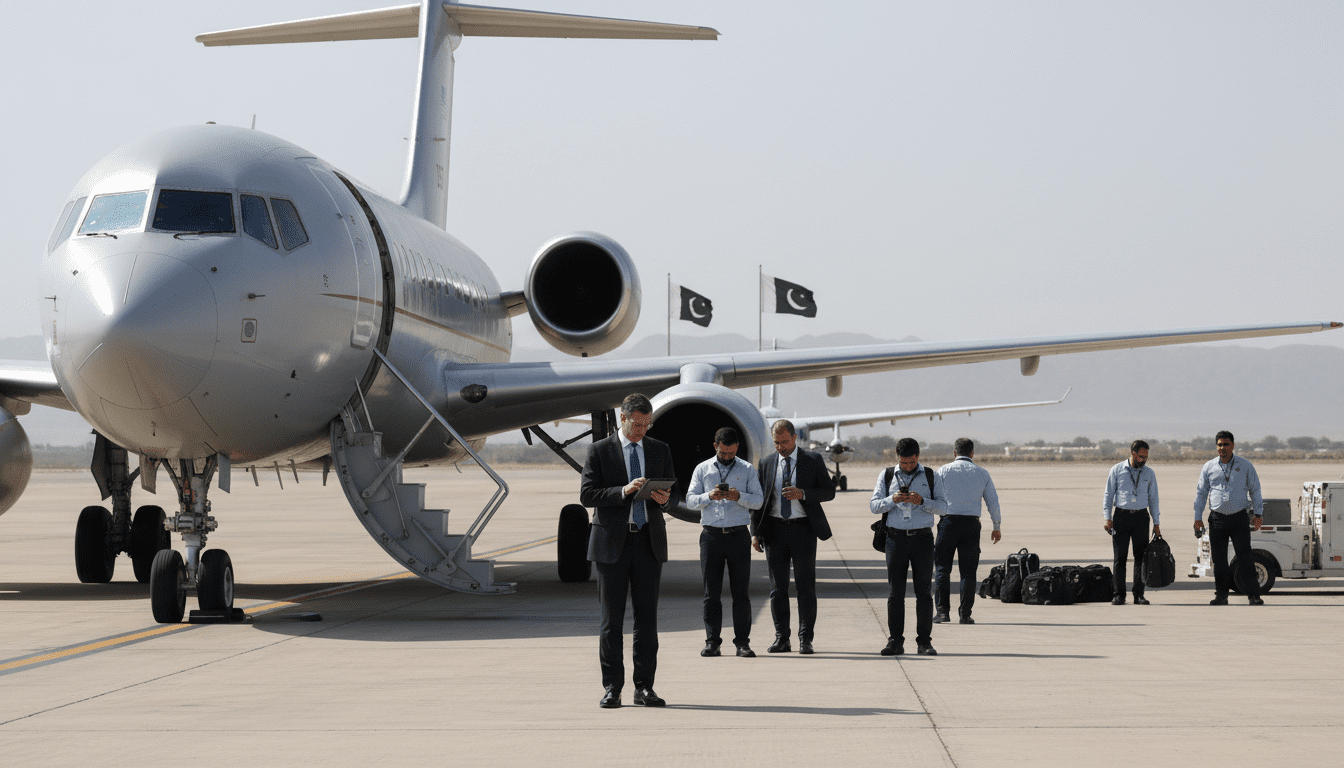
Vance Pakistan Trip Delayed as U.S. Delegation Stays in Washington Amid Stalled Iran Talks
U.S. media report that the Vance Pakistan trip delayed after Vice President J.D. Vance and his delegation remained in Washington as negotiators awaited a response from Tehran. The postponement came on the day the delegation was due to fly to Pakistan for potential follow-up talks with Iranian officials. Reports indicate senior aides and envoys were also held back for additional briefings at the White House. The pause underscores a fragile diplomatic window between Washington and Tehran.
U.S. Delegation Remains in Washington
According to multiple U.S. outlets, Vice President J.D. Vance had been scheduled to depart Washington in the morning local time but remained in the capital for further meetings. The New York Times and CNN reported that the delegation’s departure was delayed while officials continued consultations at the White House. Sources told those outlets that the trip was not formally canceled, but that travel was suspended pending developments in the diplomatic exchange with Iran. Officials framed the hold as a response to the lack of an immediate Iranian reply to U.S. positions.
Senior Staff and Envoys Also Delayed
Journalists on the ground and on social media reported that other key figures did not join the expected flight to Pakistan. Axios reporter Barak Ravid posted on X that U.S. special envoy Steve Witkoff and Jared Kushner, described by the reports as part of the delegation, were still in the United States. Media accounts said the aircraft slated to carry the team from Miami had instead returned to Washington, where additional briefings and discussions took place. The shifting logistics highlighted the ad hoc nature of the mission and the high level of White House involvement.
White House Meetings and High-Level Attendance
Multiple outlets noted that several senior officials arrived at the White House as the delegation’s schedule changed. Reporters observed a stream of meetings that included figures associated with foreign policy planning and national security, reflecting the gravity of the Pakistan trip’s diplomatic aims. The meetings appeared focused on determining whether conditions on the ground and signals from Tehran would permit a productive negotiating session. Officials portrayed the situation as fluid, with readiness to reschedule the travel if Iran’s response met U.S. expectations.
Tehran Signals Frustration With U.S. Conduct
Iran’s government publicly addressed the stalled process on the evening of the delay, with a foreign ministry spokesman criticizing Washington’s behavior. The spokesman told state media that Tehran viewed the impasse as rooted in “contradictory messages, unclear patterns of conduct and unacceptable actions” by the United States, characterizing the diplomatic standstill as a reaction to U.S. behavior rather than Iranian delay tactics. The remarks underline the rhetorical gulf between the parties at a moment when diplomats in both capitals emphasize the need for carefully calibrated messaging.
U.S. Official Cites Tehran’s Silence as Reason for Pause
Sources cited by the New York Times told reporters that the travel was halted after Tehran failed to provide a response to U.S. negotiating positions, effectively interrupting the diplomatic process. The official framed the pause as temporary and conditional, noting that the mission could be reassigned once clear signals arrived from Iran that Washington deemed acceptable. That contingency placed significant leverage on Tehran’s next moves and created an uncertain timetable for any renewed talks in Pakistan.
Implications for the Prospective Talks in Pakistan
The delay of the Vance Pakistan trip delayed has broader implications for regional diplomacy and the fragile process surrounding U.S.-Iran engagement. Analysts say interruptions of this sort can erode momentum and complicate the choreography of multi-track negotiations involving intermediaries, host countries and back-channel envoys. Host-country logistics and diplomatic face-saving mechanisms will also factor into any decision to reconvene, making the timing of a rescheduled mission sensitive to both substance and optics.
Washington and Tehran now face a window in which small shifts in messaging could either reopen the pathway to talks or deepen mutual distrust. The reported readiness of the U.S. delegation to depart again if Tehran responds positively indicates that negotiators are holding the door open, while also signaling that the initiative remains contingent on reciprocal steps. Regional partners and international observers will be watching closely for any movement that could revive direct engagement.
The unfolding delay illustrates the precarious nature of diplomacy at high political stakes, with logistics, messaging and political calculation all shaping outcomes. For now, the Vance Pakistan trip delayed remains on hold as officials in Washington and Tehran await signals that could determine whether talks move forward.
