
US-Saudi airstrikes in Iraq target Iran-backed PMF bases, reportedly kill 20
US and Saudi forces launched coordinated airstrikes in Iraq targeting Iran-backed PMF bases; footage shows aftermath and reports say 20 fighters killed.
The United States and Saudi Arabia carried out coordinated airstrikes across Iraq on July 29, 2026, striking bases linked to the Iran-backed Popular Mobilisation Forces (PMF), in what officials described as a response to alleged drone attacks on Saudi oil facilities. The incident, described by regional sources and seen in video shared online, reportedly left 20 fighters dead and caused significant damage at multiple sites. The operation marks a notable instance of direct U.S.-Saudi military cooperation on Iraqi soil and has raised immediate concerns about escalation across the region.
Strike Details and Targets
The strikes focused on several locations identified by coalition planners as PMF-affiliated bases and logistical hubs, according to Iraqi and international accounts. Aircraft and precision-guided munitions were reportedly used to hit storage areas, command posts and vehicle concentrations linked to militia networks. Officials from the participating militaries characterized the operation as limited and targeted, aimed at degrading the groups’ ability to carry out cross-border attacks.
Eyewitnesses and local sources described large explosions and plumes of smoke rising over the affected districts after dawn, with emergency responders moving through damaged compounds. Authorities in Baghdad said they were notified of air operations but provided few operational details pending assessments of the damage and casualties. The strikes come amid a pattern of attacks and counterattacks that have strained security in Iraq for months.
Casualties and Video Evidence
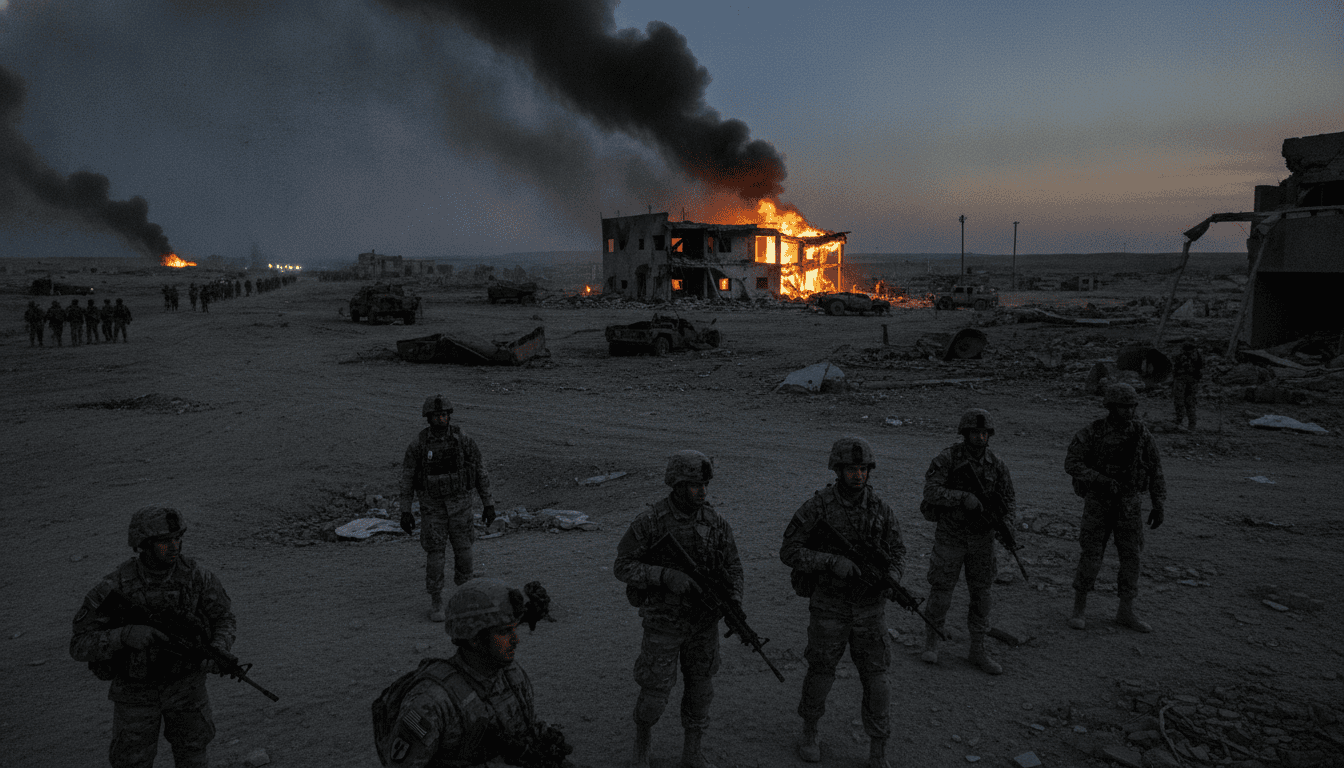
Footage circulating on social media and in regional channels showed the immediate aftermath at multiple strike locations, including burned-out vehicles and collapsed structures. Independent verification of the videos remains limited, but multiple local outlets and officials reported roughly 20 PMF fighters killed in the strikes. Hospital sources and militia-affiliated channels have posted images and lists that corroborate some of those casualty figures, though formal tallies vary by source.
The exact breakdown of fatalities, wounded, and the identities of those killed has not been independently confirmed by an impartial international body. Families in affected areas told reporters they had recovered bodies and were preparing burials, while medical facilities in nearby towns reported receiving wounded fighters and civilians after the raids.
Official Statements and Justifications
U.S. and Saudi officials framed the operation as a defensive response to what they say were drone attacks on Saudi energy infrastructure linked to Iran-backed militia activity. In statements released after the strikes, coalition spokespeople asserted the operation was necessary to deter further assaults and to protect critical oil facilities and regional stability. Washington emphasized that its forces worked in coordination with Saudi counterparts and targeted only military objectives.
Iraqi government representatives called for respect for Iraqi sovereignty while acknowledging the security threat posed by militia groups operating within the country. Baghdad’s public messaging balanced condemnation of cross-border attacks with concerns about foreign strikes on Iraqi territory, and officials said investigations into the events and their legality under Iraqi law would follow.
Iraqi Government and Parliament Reactions
Iraqi leaders faced immediate political pressure at home following the airstrikes, with lawmakers and cabinet members convening emergency discussions. Several Iraqi parliamentarians demanded fuller explanations and accountability for any breach of sovereignty, while security officials sought to de-escalate rhetoric and coordinate damage assessments. The government said it would summon relevant diplomatic representatives to clarify the circumstances of the strikes.
Local councils in impacted provinces called for humanitarian assistance to support displaced families and to repair damaged infrastructure. Security coordination between Baghdad and local commanders became a priority as authorities worked to secure sites and prevent retaliatory violence.
Regional Security Implications
Analysts warn the strikes risk further escalation between Iran-aligned militias and coalition forces in the Gulf and Levant, particularly if retaliatory attacks follow. The operation underscores the fragility of efforts to limit proxy confrontations across Iraq and neighboring countries, and raises questions about the effectiveness of deterrence measures in preventing attacks on critical infrastructure. Tehran has historically condemned strikes on allied groups in the region, and any formal response from Iran or its proxies could complicate diplomatic efforts.
Energy markets and global observers monitored the situation closely, given the strikes’ stated connection to attacks on oil facilities. While the coalition described the operation as narrowly focused, the potential for miscalculation remains a central concern among regional security planners.
US-Saudi Operational Coordination and Legal Questions
The operation highlighted an operational partnership between U.S. and Saudi forces, with both sides emphasizing a shared interest in protecting energy infrastructure and deterring militia attacks. Military analysts noted the strikes demonstrated planning and interoperability, though they cautioned that such actions on Iraqi soil carry legal and political sensitivities. Questions about authorization, intelligence-sharing and the legal basis for strikes in another sovereign state are likely to be raised in diplomatic and legal forums.
Iraqi officials indicated they would seek detailed accounts of the operation’s targets and legal justification, while international rights groups called for transparent investigations into civilian harm. The coordination also reflects Riyadh’s willingness to partner more directly with outside forces to counter threats it attributes to Iran-backed actors.
The airstrikes on July 29, 2026 have set in motion a complex mix of military, political and diplomatic responses across the region, with immediate humanitarian, legal and security challenges for Iraq and its neighbors.
