
Turkey-Israel tensions dismissed as “rhetoric” by US envoy Tom Barrack at Antalya forum
Tom Barrack on April 17, 2026, described Turkey-Israel tensions as “rhetoric” at the Antalya Diplomacy Forum and urged both capitals to pursue security and energy cooperation.
The United States’ special envoy used a high-profile panel at the Antalya Diplomacy Forum on April 17, 2026, to downplay escalatory language between Ankara and Tel Aviv and to press for practical collaboration on security and energy initiatives. Tom Barrack said that, despite sharp public statements from some officials in both countries suggesting a possible confrontation, he regarded much of the exchange as political posturing rather than a prelude to conflict. Barrack warned that sensationalised media portrayals were warping perceptions and urged leaders to focus on shared strategic interests.
Remarks at the Antalya Diplomacy Forum
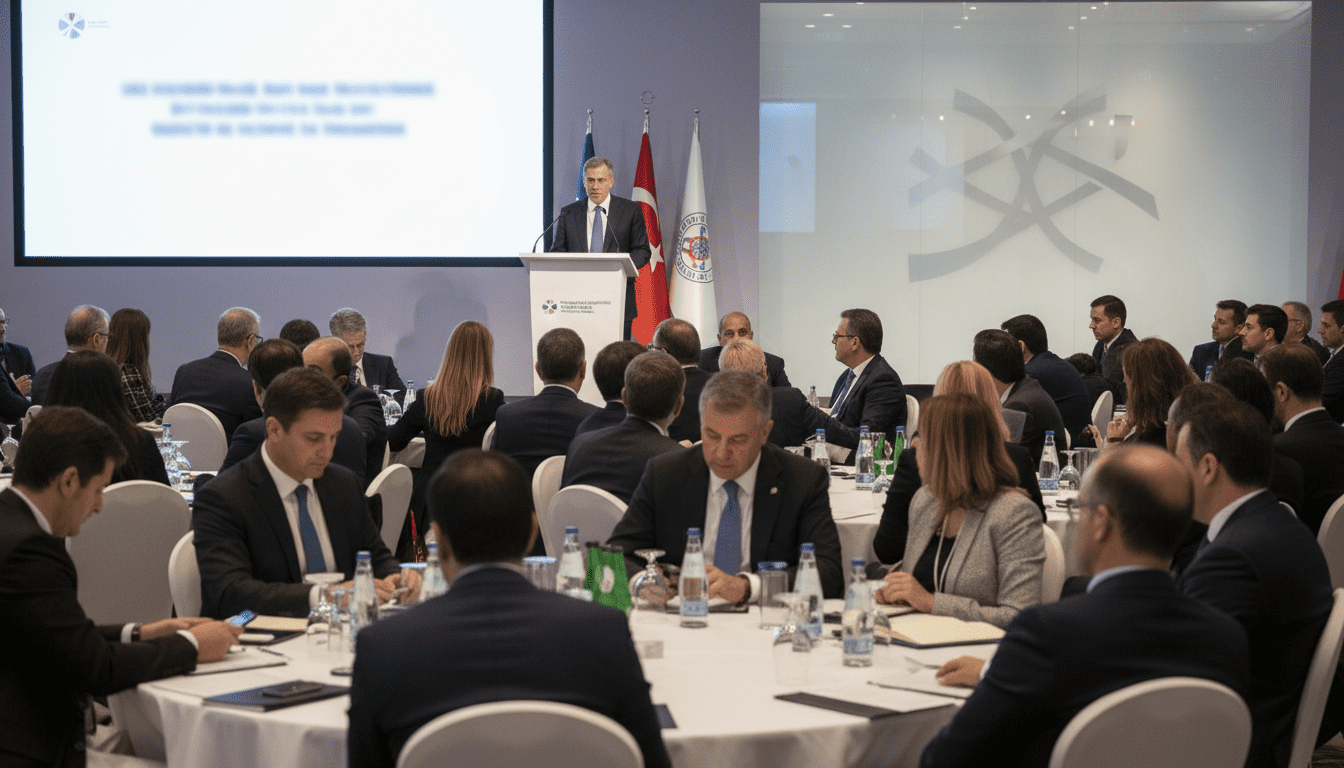
Barrack’s comments came during a plenary session of the Antalya Diplomacy Forum held on April 17, 2026, where regional security dominated the agenda. He told attendees that rhetoric in both capitals had been amplified by media narratives that painted each side as expansionist and confrontational. The envoy’s intervention sought to inject a note of caution into public debate and to shift attention toward concrete steps that could reduce friction.
The forum provided a convening space for diplomats, security officials, and analysts, and Barrack used that platform to argue against alarmist assessments. He said, “I think Turkey is just not a country to be messed with,” while simultaneously rejecting the idea that Ankara and Tel Aviv were on an inevitable collision course. His remarks were aimed at tempering both domestic and international commentary that, he argued, overstated the immediacy of any military risk.
Officials’ Stark Statements and Political Context
Recent months have seen exchanges of pointed statements from some Turkish and Israeli officials that raised concerns among observers about a potential deterioration of bilateral ties. Barrack directly pushed back on those public warnings, suggesting they were shaped by short-term political calculations and media cycles. He argued that such rhetoric can create feedback loops that harden positions and reduce space for diplomacy.
Analysts at the forum noted that domestic politics in Ankara and Jerusalem can incentivize forceful messaging, especially when leaders seek to consolidate support ahead of elections or other political milestones. Barrack’s intervention attempted to reframe the debate by highlighting shared vulnerabilities instead of competing narratives about intent and capability.
Security and Energy Cooperation as Confidence-Building
A central theme of Barrack’s remarks was the potential for cooperation in security and energy to serve as confidence-building measures between Turkey and Israel. He called for joint projects and information-sharing arrangements that could produce tangible benefits while lowering the chance of miscalculation. Barrack framed cooperation as not only feasible but mutually advantageous, especially given shifting regional dynamics.
Energy links — including infrastructure and resource development in the eastern Mediterranean — were identified as a pragmatic entry point for renewed engagement. Security cooperation, he suggested, could focus on counterterrorism, maritime safety, and crisis communication channels designed to prevent incidents from spiraling. Barrack urged that such technical, project-based work often succeeds where high politics stalls.
Media Narratives and the Risk of Distortion
Barrack singled out sensationalised media coverage as a key driver of misconceived public perceptions of both Turkey and Israel. He argued that dramatic headlines and selective reporting can create exaggerated images of expansionism that do not match policy realities. The envoy warned that such distortions make diplomatic de-escalation more difficult by inflaming audiences and constraining policymakers.
Speakers at the forum echoed the point that responsible reporting and transparent communication by governments are essential to prevent misunderstandings. They recommended mechanisms for better public explanation of cooperative initiatives so that joint projects are not misread as unilateral advantage or geopolitical brinkmanship.
Regional Stakes and Diplomatic Calculus
Observers at the Antalya forum warned that while Barrack sought to downplay imminent military risk, the wider region still faces multiple fault lines that could complicate Ankara-Tel Aviv relations. Conflicts elsewhere, proxy tensions, and shifting alliances mean that any bilateral deterioration could have broader consequences for Mediterranean and Middle Eastern security. Diplomacy, participants said, must therefore be both preventive and proactive.
Barrack’s appeal for cooperation was presented as part of a broader U.S. effort to stabilise the region through partnership-building rather than confrontation. Forum participants noted that third-party mediation or multilateral frameworks could help institutionalise communications and lower the stakes of episodic disputes.
Prospects for Ankara and Tel Aviv
The immediate outlook for Turkey-Israel relations remains uncertain, but Barrack’s intervention signalled a push by influential actors to prioritize dialogue and project-based engagement. His comments attempted to shift the conversation from hypothetical conflict scenarios to pragmatic areas where mutual interests align. Whether leaders in Ankara and Jerusalem respond by initiating joint security or energy work will be a key indicator of how seriously the rhetoric-calming message is taken.
Diplomats and analysts at the forum stressed that durable improvement depends on sustained, verifiable measures rather than isolated statements. The coming weeks and months will test whether the tone set in Antalya on April 17, 2026, translates into the kind of cooperative plans Barrack advocated.
The United States’ public urging for de-escalation and practical cooperation adds a diplomatic impulse to what remains a fragile relationship, and the next moves by Turkish and Israeli officials will determine whether rhetoric gives way to resumed engagement or continues to shape public expectations.
