
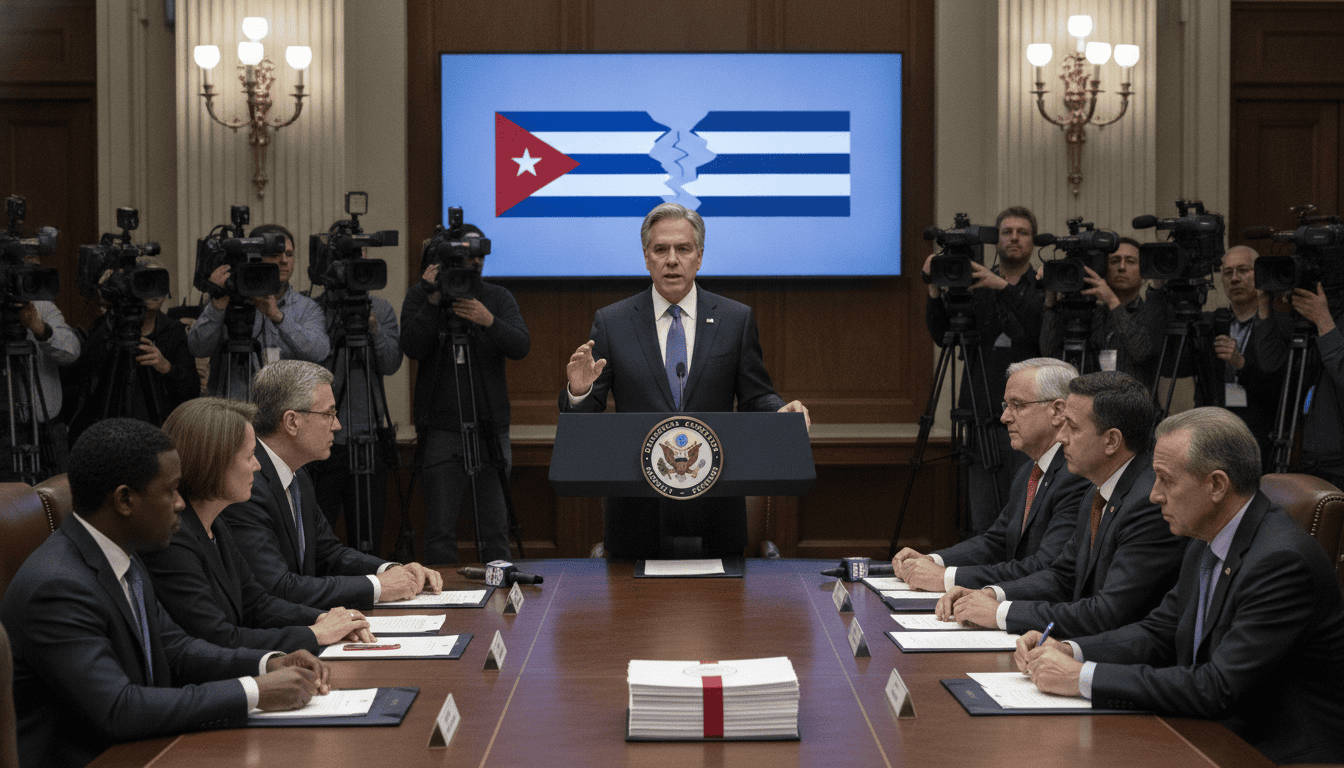
U.S. sanctions on Cuba broaden to hit tourism ministry, paramilitary units and state trading firms
U.S. sanctions on Cuba expand to include the Tourism Ministry, paramilitary groups and state trading companies, intensifying pressure amid an acute energy and economic crisis. (155 characters)
The U.S. government announced a new package of sanctions aimed at deepening pressure on the Cuban leadership by designating the island’s Tourism Ministry, civilian paramilitary units and several state trading companies as targets of restrictive measures. The State Department said the move is intended to strike at what it described as interlocking pillars of Cuba’s political and economic apparatus. (upi.com)
U.S. Targets Tourism Ministry and Paramilitary Units
The sanctions list includes the Tourism Ministry and a set of security-related organizations that Washington says are involved in repression and control of the population. Among the named groups are the Territorial Troops Militia and the Rapid Response Brigades, both of which the U.S. described as having paramilitary or police-like functions. (upi.com)
Legal Basis and Scope of Designations
Officials said the measures were implemented under a recent executive order that authorizes blocking and other restrictions on entities tied to repression or to strategic sectors of the Cuban economy. The designations extend to firms that import fuels or trade in other essential goods, a move that narrows commercial channels available to Havana. (ofac.treasury.gov)
Connections to Military-Controlled Conglomerates
Several of the newly sanctioned companies are reported to have links to GAESA, the large conglomerate controlled by the Cuban military that already sits on U.S. restricted lists. U.S. policy documents and Treasury guidance note that GAESA and affiliated entities have been targeted previously, and the new measures expand pressure on networks tied to the military’s economic interests. (ofac.treasury.gov)
Tourism Sector Hit as Visitor Numbers Fall
The Tourism Ministry has long been a critical source of foreign exchange for the Cuban state, and the new restrictions are likely to further depress a sector already battered by earlier U.S. measures and the withdrawal of many international hotel operators. Analysts and officials warn that curbing tourism-related revenue will have direct consequences for government income and for Cubans employed in hospitality and related services. (upi.com)
Fuel Shortages and Recurrent Blackouts
Cuba is already experiencing severe fuel shortages and widespread power outages that authorities say are the worst since the end of the Soviet era, with islandwide blackouts and multi-day shutdowns reported in several regions. The energy squeeze has been exacerbated by a collapse in shipments from Venezuela and by restrictions that make it harder for Havana to secure alternative suppliers. (apnews.com)
Venezuela Link and Regional Pressure
U.S. officials and independent shipping data indicate that oil deliveries from Venezuela to Cuba have fallen off sharply since early January, a development tied to a broader U.S. campaign in the region that has disrupted established fuel flows to the island. Mexican and other suppliers have also curtailed or paused shipments amid concerns about secondary sanctions and geopolitical fallout, tightening the squeeze on Cuba’s power plants and fuel-dependent services. (archive.ph)
The new sanctions package appears designed to close off revenue streams and operational channels that the U.S. government says sustain coercive state mechanisms in Cuba, while offering conditional openings if Havana adopts political and economic reforms. Washington’s public statements stress that policy shifts by Cuban authorities could create room for a different bilateral relationship, but they also signal continued punitive measures if the status quo persists. (ofac.treasury.gov)
Economic and humanitarian observers caution that cutting ties to major state importers and the Tourism Ministry could deepen shortages of basic goods and fuel, with knock-on effects for electricity provision, food production and health services. Humanitarian agencies have warned of widening needs if the energy crisis and supply bottlenecks continue through the coming months. (apnews.com)
Regional governments face a dilemma as they balance diplomatic and commercial relations with Washington against political and humanitarian considerations for Cuba. Some countries have signaled reluctance to become entangled in U.S. secondary sanctions while others have paused shipments amid legal and financial uncertainties. That hesitation has left Havana with fewer viable options to replace lost Venezuelan deliveries. (archive.ph)
Observers say the immediate impact will be measured in further declines in tourism receipts, more constrained availability of diesel and fuel oil for power stations, and added fiscal strain on a government already contending with currency shortages and mounting public discontent. How these pressures reshape Cuba’s domestic politics and its external alignments will depend on whether the regime responds with reforms, increased repression, or efforts to diversify economic partnerships. (upi.com)
The United States frames the measures as targeted actions against actors and firms that underpin repression and corruption, while critics warn that broad sanctions risk aggravating hardship for ordinary Cubans. As the sanctions take effect, international monitors and relief organizations will watch for signs of humanitarian distress and for any shifts in regional trade that might mitigate or magnify the island’s immediate shortages. (ofac.treasury.gov)
Cuba’s government has repeatedly denounced U.S. pressure as an attempt to overthrow the island’s political order, and it is likely to respond with diplomatic protests and intensified domestic security measures. For now, the new U.S. sanctions mark a clear escalation in Washington’s campaign to isolate and economically squeeze sectors it views as vital to the regime’s endurance, even as they raise urgent questions about civilian hardship and regional stability.
