
Germany news roundup: Stade shooting, U.S.-Iran talks, June heat and World Cup fallout
Germany news roundup: six killed in Stade shooting, U.S.-Iran talks over Strait of Hormuz, June heat near-record with multiple drownings, DFB under pressure.
The Germany news roundup opens with a string of serious and varied developments that swept the country and drew international attention, from a deadly shooting in Stade to diplomatic moves between the United States and Iran and a severe June heatwave that contributed to multiple drownings. Authorities reported six people killed in the Stade incident and detained two suspects, while diplomats signalled renewed talks on tensions in the Strait of Hormuz. Amid those events, researchers flagged a near-record June temperature and the national football team faced criticism after a World Cup setback.
Six killed in Stade shooting; two suspects detained
Local police confirmed that six people lost their lives in a shooting in Stade, west of Hamburg, and that two individuals have been taken into custody pending further investigation. Officials said additional people sustained injuries and that investigators are working to determine motive and whether the attack was targeted or connected to wider criminal activity. Prosecutors and police declined to comment on many operational details as the inquiry continues and as forensic work proceeds at the scene.
U.S. and Iran resume talks amid Strait of Hormuz incidents
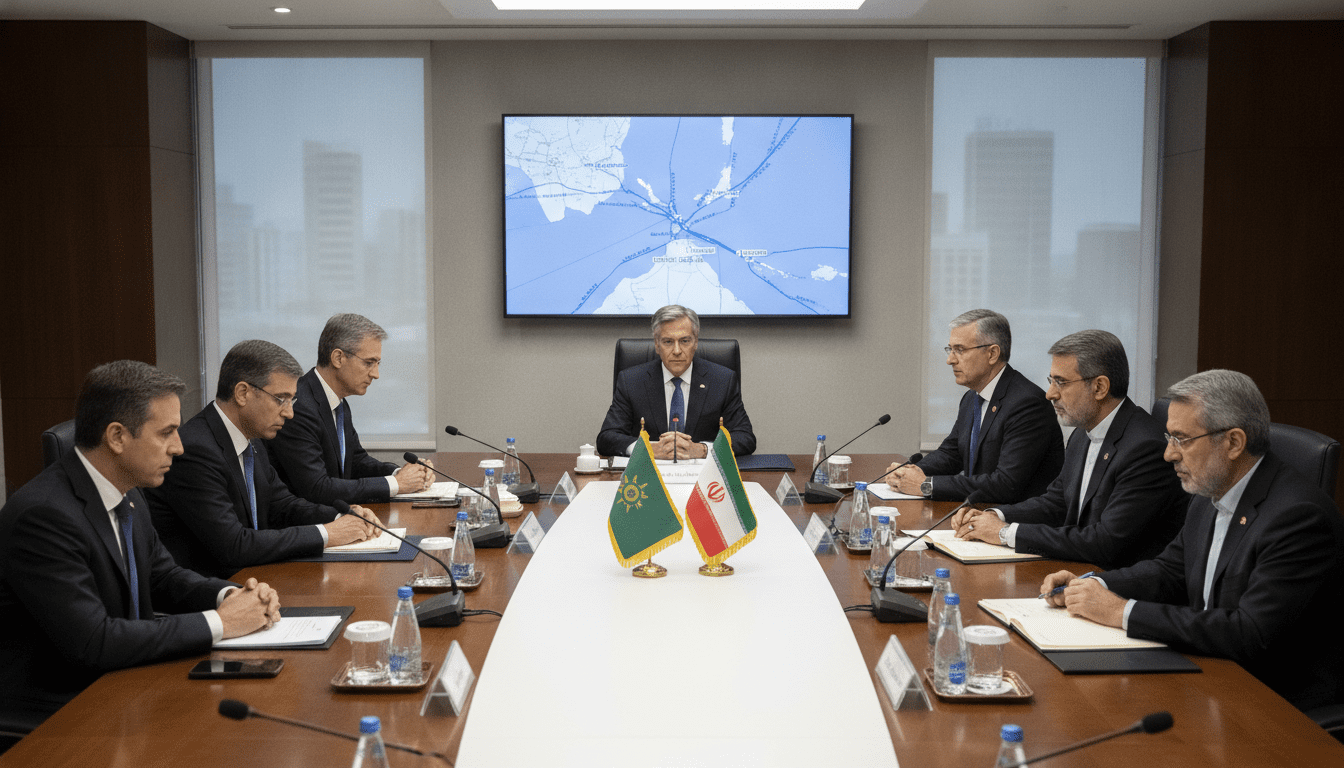
Reports indicate that the United States and Iran have agreed to reopen diplomatic discussions following a cycle of reciprocal attacks, with initial talks focused on security in the Strait of Hormuz. Iranian officials, including those identified in reports as Foreign Minister Araghtschi, have engaged in the dialogue, but elements of the clerical leadership and the Islamic Revolutionary Guard Corps have expressed skepticism and warned that continued military actions by the U.S. could derail negotiations. Diplomats say the talks are narrowly framed and aim to reduce immediate maritime risks while broader disagreements remain unresolved.
June heat nears 2019 record as drownings rise
Climate researchers noted that June temperatures approached levels last seen in 2019, and attributed much of the heatwave’s intensity to long-term warming trends that make such extremes more likely. Emergency services reported 26 fatalities nationwide in water-related incidents over the weekend, highlighting the acute human cost of hot weather and increased recreational activity at lakes and beaches. Public health officials urged caution near open water and emphasized that climate-linked heat events are expected to amplify risks unless adaptive measures expand.
Former Zivildienst participants reconsider military roles
A growing number of former Zivildienst volunteers who once performed alternative civilian service during conscription are re-evaluating their past refusal of military duty amid what they describe as changing security calculations for Germany. Sources familiar with the shift said concerns about regional instability and new defense imperatives have prompted some to retract earlier stances, though many remain uncertain whether the Bundeswehr can meet recruitment needs without reinstating compulsory service. Policy makers and defense analysts continue to debate recruitment strategies, retention efforts, and whether structural reforms rather than conscription will supply the military adequately.
Pressure mounts on DFB after World Cup defeat
The German national team and its governing body faced a sharper national tone following a first tournament defeat, with Sport Director Rudi Völler urging perspective even as criticism grew louder within the squad’s camp. Observers highlighted that expanded tournament formats have allowed smaller nations to shine and that public expectations of the DFB are evolving amid changing competitive dynamics. The federation now confronts questions over coaching, squad selection, and long-term planning as it balances immediate tournament recovery with rebuilding for future competitions.
Germany’s political class and civil society reacted variably to the week’s incidents, calling for thorough investigations into the Stade shooting, cautious diplomacy over maritime security, expanded public safety measures during extreme heat, and clear plans to bolster national defense and sport governance. Local and federal officials pledged follow-up actions, including increased patrols and safety campaigns at bathing sites, and promised transparency as inquiries and talks progress. The Germany news roundup will continue to monitor developments and report new facts as authorities provide updates.
