
U.S.-Iran Peace Agreement Reported ‘Within Reach’ as Talks Touch Strait of Hormuz and Nuclear Issues
US-Iran peace agreement appears close after officials signal an intent to formalize terms, with mediators optimistic and global markets reacting to parallel major events.
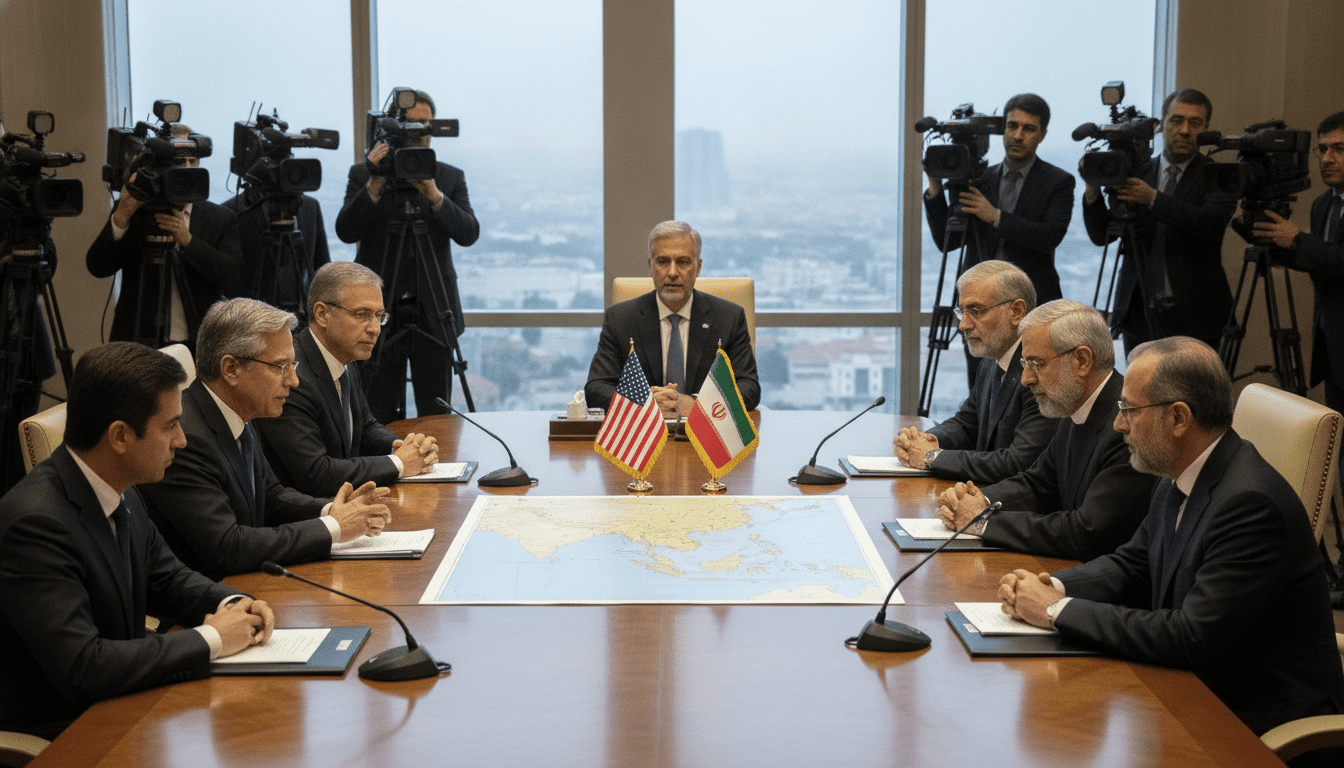
Iran’s foreign minister Araghtschi told reporters that a declaration of intent toward a U.S.-Iran peace agreement is “within reach,” signaling progress in months-long backchannels. Pakistan, acting as a mediator in the talks, expressed optimism about bridging longstanding bilateral differences. U.S. President Trump said the planned arrangement would include reopening the Strait of Hormuz to international shipping, and negotiators are also discussing Iran’s nuclear program and the situation in Lebanon.
U.S. and Iran Signal Near-Agreement
Officials on both sides described recent rounds of diplomacy in cautiously optimistic terms, with each side signalling willingness to endorse a preliminary understanding. The reported accord is being framed as an initial framework rather than a final treaty, leaving key technical details and verification mechanisms to later stages.
Statements from Tehran and Islamabad emphasize the importance of confidentiality and sequencing, suggesting negotiators are seeking a phased approach to de-escalation. Washington’s public remarks indicate that any agreement would be tied to concrete steps on regional security and nuclear constraints.
Key Provisions Under Negotiation
One of the most sensitive elements reportedly under discussion is freedom of navigation through the Strait of Hormuz, a chokepoint for global oil and gas shipments. According to public remarks cited by negotiators, the planned arrangement would include measures to ensure safe passage and reduce the risk of maritime confrontation.
Negotiators are also addressing Iran’s nuclear program with a mix of technical and political proposals, though sources say precise limits, inspection regimes and timelines remain unresolved. Lebanon and regional militia activity are on the agenda as part of a broader effort to reduce proxy confrontations across the Middle East.
Role of Mediators and Diplomatic Channels
Pakistan has emerged as a visible intermediary, sharing public optimism about progress while stressing that substantive bargaining continues behind closed doors. Diplomacy appears to be operating through a mix of direct and third-party channels, with several regional and global players monitoring developments closely.
Officials involved in the process emphasize that confidence-building measures will be essential to move from an intent statement to a legally binding accord. Negotiators will need to reconcile divergent domestic political pressures in Tehran and Washington before a formal text can be finalized.
Market and Global Reactions to the News
Global markets reacted to the flurry of geopolitical headlines alongside major corporate developments on Friday, with investors parsing implications for oil, defense stocks and regional risk premiums. The prospect of reduced tensions in the Gulf could ease upward pressure on energy markets, though analysts caution that uncertainty will linger until concrete verification steps are announced.
Adding to the day’s financial drama, SpaceX completed a record-setting public debut, closing well above its offering price and pushing its market valuation to roughly $2.1 trillion. The blockbuster listing — priced at $135 and closing at $161.11 on its first day — dominated financial pages and illustrated how market-moving corporate events can coincide with high-stakes diplomacy.
Public Attention Shifts with World Cup Results
The diplomatic developments unfolded against the backdrop of the World Cup, where the United States opened the tournament with a decisive win over Paraguay. The U.S. struck three goals in the first half before Paraguay responded after the break, and Gio Reyna’s stoppage-time strike added a dramatic finish to the match.
Germany’s national team prepared to face underdog Curaçao in a match that captured different public attention across Europe and the Americas. Sporting events and diplomatic breakthroughs often compete for headlines, but officials on both sides acknowledged the value of keeping public focus on security and economic stability.
The reported movement toward a U.S.-Iran peace agreement, if sustained, would represent a major diplomatic shift with broad implications for regional security, energy markets and international non-proliferation efforts. Observers caution that an intent statement is only the first step; the success of any accord will depend on detailed verification measures, timelines for implementation and the political will in both capitals to accept concessions.
