
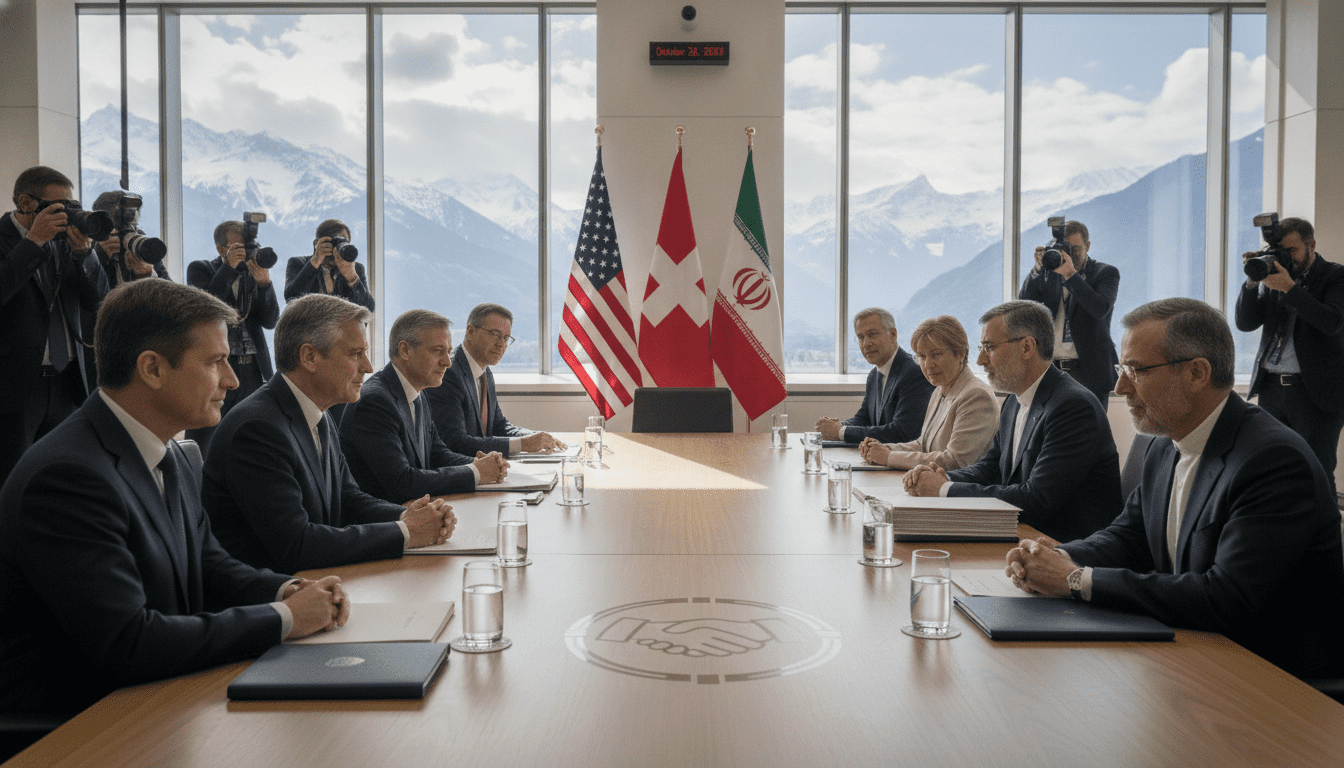
Iran–U.S. peace and nuclear talks yield roadmap at Bürgenstock as technical teams convene
Iran-U.S. peace and nuclear talks at Bürgenstock produce a roadmap and a Lebanon conflict body; mediators say negotiators seek a final deal within 60 days.
The first formal Iran–U.S. peace and nuclear talks in Switzerland concluded their opening round with mediators reporting agreement on a roadmap and a working mode for next steps. Qatar and Pakistan, which are mediating, said technical working groups will meet at the Bürgenstock hotel for the remainder of the week to address outstanding issues. Negotiators affirmed an ambition to reach a final agreement within 60 days, setting an accelerated timetable for complex political and technical questions.
Delegations agree a roadmap and negotiating mode
Negotiators from Iran and the United States approved a procedural roadmap intended to structure follow-up sessions and technical exchanges. The roadmap establishes a sequence of technical working groups that mediators said will address all outstanding topics across security, economic and nuclear domains. Pakistan and Qatar described the initial progress as “encouraging” and said the atmosphere of talks was positive and constructive.
New Lebanon conflict-resolution body created
As part of the memorandum signed before the talks, the parties established a conflict-resolution body that includes the Lebanese government with the declared aim of securing an end to military operations in Lebanon. The mechanism is framed as a test for the broader process and is intended to monitor and help prevent escalations on the ground. Iranian officials described the step as a critical element to ensure that regional hostilities are addressed alongside nuclear and economic issues.
Technical working groups to cover broad agenda
Mediators said the technical working groups at Bürgenstock will examine a wide range of items, moving the process from political negotiation toward detailed, implementable measures. Subjects to be discussed include frozen assets, sanctions relief, maritime security protocols and nuclear safeguards, according to participants’ accounts. The shift to technical sessions reflects a deliberate sequencing: resolving practical impediments before tackling the most politically sensitive points.
Iran declines immediate talks with IAEA director
Iran’s delegation decided not to engage with International Atomic Energy Agency director Rafael Grossi during the opening round, despite his presence at the venue, an Iranian-affiliated source reported. Tehran’s stance signals that it prefers to negotiate broader political and economic conditions — such as sanctions relief and access to frozen funds — before formally opening a technical dialogue on its nuclear program with the IAEA. Iranian officials called the choice tactical, framing it as adherence to the agreed sequencing of issues.
Tensions over the Strait of Hormuz and maritime rules
The mediators also said a communications channel was set up to reduce the risk of incidents and miscommunication in the Strait of Hormuz, a key shipping chokepoint where recent scuffles have heightened global concern. The move follows competing claims about the strait’s status and reports that Iran has been seeking ways to monetize transits, including new insurance or fee arrangements for commercial vessels. Negotiators told mediators that stabilizing maritime traffic is a priority tied directly to both regional security and economic calculations.
Public rhetoric and threats complicate diplomacy
The talks opened amid sharp public rhetoric and threats from U.S. political leaders that raised tensions and prompted formal protests from Tehran’s delegation. Washington’s delegation, which included the U.S. vice president and senior advisers, sought to balance pressure with conciliatory language about a possible reset in relations and a new approach toward the Iranian people. Iranian negotiators pushed back on inflammatory statements, warning that threats would be viewed as violations of the transitional memorandum and could undermine trust in the process.
The parties agreed to press ahead at pace, with mediators overseeing technical work this week and managers tasked with bridging political gaps as necessary. Observers caution that meeting the 60-day target will require both sides to show restraint on public rhetoric and to produce rapid technical compromises on money, sanctions, and verification. The next sessions at Bürgenstock will be closely watched for concrete drafts and timelines that could determine whether the fragile momentum solidifies into a binding agreement.
